Frodo: ‘It’s a pity Bilbo didn’t kill Gollum when he had the chance.’
Gandalf: ‘Pity? It’s a pity that stayed Bilbo’s hand. Many that live deserve death. Some that die deserve life. Can you give it to them, Frodo? Do not be too eager to deal out death in judgment. Even the very wise cannot see all ends. My heart tells me that Gollum has some part to play in it, for good or evil, before this is over. The pity of Bilbo may rule the fate of many.’
J.R.R. Tolkien, The Fellowship of the Ring
We live around plenty of detestable people all the time, the Gollums of the world: in our neighborhood, workplace, etc, or in society at large. Some of us even have parents like this too.
It’s hard to put up with these people. Of course, we want to have goodwill toward them, but they just keep doing things that are annoying, rude, selfish, or directly harmful.
So, I like how Dogen in the Shobogenzo (recompiled as the Shushogi), suggests a realistic approach. Sometimes you simply can’t be friends with detestable people, or you can’t be around difficult family relatives. You can at least pity them, not hate them, though. They may never change, and that’s a tragedy, but it’s also important to avoid harboring ill-will. Easier said than done. But like Gandalf says, even terrible people have their part to play. So, at the very least, keep your distance for your own sanity, but also wish them well, even a little.
Confession: I starting writing this post before this one, and also before I had huge fight with my dad (again), and we are once again not on speaking terms, so I feel like a hypocrit for writing this post. but I still believe in those ideals. Because they are there, we can reflect, learn and grow. Myself included.
All my deeds and past days were dark and full of evil. But a new day is come.
J.R.R. Tolkien, The Children of Húrin
Within the Silmarillion by J.R.R. Tolkien, is the tale (later edited and compiled as The Children of Húrin) of one human warrior named Túrin. The wicked father of dragons, Glaurung, has poisoned his mind and he goes mad with grief and (among other terrible crimes) mistakenly kills his elven friend.
Later, in a flash of awakening, through an encounter with another friend, he realizes what Glaurung has done to confuse him and lead him astray. He can’t change the past, but his mind is clear and he resolves to start over and focus on the task at hand: defeating the dragon and the dark forces of his land.
The Buddhist archetype for this is Angulimala: a ruthless madman that inflicted great harm, but in a moment of clarity changed his ways. This is how the Buddha-Dharma often works.
Anyway, the reason why I mention all this is that like the quote by Tolkien, each day is a new day. That doesn’t mean the karma you’ve created in the past will magically go away, but today is a chance to start over and try again.
KIRK: [War] is instinctive. But the instinct can be fought. We’re human beings with the blood of a million savage years on our hands! But we can stop it. We can admit that we’re killers… but we’re not going to kill today. That’s all it takes! Knowing that we’re not going to kill – today!
Star Trek, “A Taste of Armageddon” (s3:ep15), Stardate 3192.1
We still have our debts to pay off, but today we can choose to be a better person.
Recently, I talked at length about the role-playing game called The One Ring, and I wanted to explore one aspect of it, and its origins in Tolkien’s Lord of the Rings trilogy, namely “Shadow”.
Fan art of the Nazgûl, the dreaded Ringwraiths of Sauron
Because the Enemy, Sauron, is growing in strength in the Lord of the Rings setting, his dark influence can be felt (even if only a little) everywhere, even in happier, safer places like the Shire, the Grey Havens, Rivendell, etc. Sauron’s forces attack some places in Middle-Earth, in other places his spies infiltrate, and even in friendly places, the mere mention of his name fills others with dread. His “shadow” grew longer and longer across Middle Earth. There was no place in Middle Earth that doesn’t feel the influence of Shadow. Sound familiar?
In the role-playing game, when player characters experience negative events, despair, or trauma can accumulate “shadow points”. These points are long-term, hard to remove, and if too many accumulate, a character can become miserable (affecting many other aspects of the game), or worse can eventually have fits of madness, like when Boromir tried to take the One Ring from Frodo. Such player characters may be forced to leave the game, or a player may choose to retire the character before it is too late. The longer one uses a certain character in the game, the greater and greater risk for accumulating too many shadow points and thus meeting a bad end.
Further, when confronted with Shadow different player characters react differently. A treasure hunter may fall into “dragon sickness”, like Thorin in The Hobbit, a warden may fall into despair (“is anything I am doing making a difference?”), or a captain may crave power, etc.
Similarly, in the original Lord of the Rings trilogy, the different peoples of Middle-Earth reacted to the growing Shadow differently. Elves withdrew, longed for the past, or fled across the sea. Dwarves became insular and greedy. Men became desperate and power-hungry.
Boromir thought he was helping his home of Gondor by trying to take the One Ring from Frodo. That’s how Shadow made him go mad: playing into his anxieties, making him feel hopeless and thus taking desperate measures. The Rohirrim nearly gave up too, as Gríma Wormtongue kept feeding lies and despair to their king, Théoden. Gollum’s mind was shattered by the ring and he could barely remember who he had been, and believed he was too wretched to be redeemable.
This is what Shadow does to people: it breaks people down.
But the reason that Sauron was defeated in the Lord of the Rings trilogy was that some people didn’t give up.
Rather than fighting alone, those who resisted Sauron worked together. Individually they were too weak to resist (even Elrond), but when they worked together, they could draw on each other’s strength, and help each other when discouraged. In the books we see Samwise Gamgee doing this countless times for Frodo, or Legolas, Gimli and Aragorn racing through Rohan to save Pippin and Merry. Not everyone in the Lord of the Rings trilogy was a hero, but everyone did something, however small, to contribute to the effort.
Further, even in the darkest hour, people kept going. They didn’t quit, they took another step forward, and another, and another. The goal seemed miles away, literally, but each step brought them closer, even if only a little.
In The One Ring game, during a “fellowship phase” (downtime), you can spend part of your time healing the scars of shadow. According to the core rulebook, dwarves will spend time forging to “burn away frustration”, hobbits will engage in gardening or painting, humans and elves will play or recite songs and poetry. In the books, characters such as Sam and Frodo occasionally stop to enjoy lembas bread, or Pippin and Merry enjoy a good puff of pipeweed after a major battle. It may not seem like much, but taking those moments of downtime do much to lift the soul, especially when it is weighed down by Shadow.
There is much we can learn from this.
P.S. There’s a whole Reddit channel just for LoTR memes. It’s a treasure-trove of silliness.
As I wrote a short while ago, I have grown tired of Dungeons and Dragons, and alluded to a different RPG system called The One Ring. The One Ring (TOR), produced by Swedish company Free League Publishing, is a role-playing game (RPG) designed entirely for The Lord of Rings fantasy setting by J.R.R. Tolkien. Whereas D&D and Pathfinder are more generic rule systems that can be applied toward many fantasy environments, TOR is designed exclusively for the Lord of the Rings “Middle Earth” setting.
The core rulebook for The One Ring costs $60 in the US, but with it you get all the basics you need: how to make a character, how to run an adventure as a Loremaster (a “DM” or “GM” in other systems), and even the basic monster compendium. Compare this to D&D 5th edition, which requires $150 for three books. The D&D core books have a lot of content, to be fair, but if you want to get started in The One Ring, having a single book for a reasonable price is an easier start. Also, it is available as a PDF file on DriveThruRPG, I believe, for even cheaper.
The core rulebook is very well done, and the artwork is really amazing (some of it is on the page linked above), and bring out the “feel” of the game. There are other supplements available as well which are also available through DriveThruPRG as PDF files, or hardcover on the website above.
Let’s discuss the basics of The One Ring system…
The Basics
The focus of TOR is thus much more immersive into the “look and feel” of the Lord of the Rings setting. The emphasis is much less on combat and magic powers, but more on day-to-day adventuring in the Middle-Earth setting. This means you have to take into account things like:
Planning where you are going in Middle Earth
Tracking day to day travel from point A to point B
This sounds tedious, but it isn’t. The rules are pretty straightforward.
Your stuff: things like encumbrance (load) matter. You have to consider how much you are carrying, including treasure.
Downtime, who you will spend Yule with, dealing with mental wellbeing, etc.
Healing from injuries (you cannot just magic away injuries).
Death, and any heirs for a player character.
What you get is a really mood-driven, realistic feel for life in Middle Earth. The adventuring (including combat and exploration) is still a core part of the game, but now you really get to slow down and immerse yourself in that world. That’s no small feat.
I emphasize this because many years ago I played a different LoTR-based RPG system produced by ICE using the “Rolemaster” rule system. This was a generic role-playing system used at the time, but modified for the Middle-Earth setting. I read through the book many times, and while it looked cool, even back then it felt like this wasn’t really an authentic Lord of the Rings game. Since that time, other systems have tried the same thing with mixed results.
Thus, what I like about TOR is that it conveys the Middle-Earth “feel” better than any system I’ve seen so far. It’s really fun to make a character, and imagine how they fit into the setting, and to also go to places that have historical significance in Middle-Earth, and somehow it really feels like you are there.
But how does the game play compared to Dungeons and Dragons and such?
Gameplay
First, TOR relies on a different dice system relying on a combination of d12 “fate dice” and d6 “success dice”. Certain numbers have significance on the dice: for example the 12 on a d12 is something akin to a “natural 20” in D&D, while an 11 is the opposite. The 6 on d6’s also provide extra bonus successes if you get them. There are specialty TOR dice you can get, which replace the 12 and 11 with the Gandalf rune ᚠ, and the 11 with the Eye of Sauron. These are not strictly necessary to play the game; a standard set of d12’s and d6’s will suffice.
The system for handling challenge roles is pretty straightforward, but the vocabulary takes a bit of getting used to (e.g. “favored” vs. “inspired”). After a couple of solo play sessions I got the hang of it.
In fact, the overall stats system in TOR is much simpler than D&D. You can easily fit your character onto a single sheet, and still have plenty to keep you busy. For testing purposes (namely “Strider Mode”, which I’ll cover later), I made a test character, a Dwarf named Frár son of Nár, using the core rulebook naming suggestions.
This is the example character sheet I made for myself. I wrote this in haste late night after my son had gone to sleep, so my handwriting is even worse than usual. Still, I like how it all fits in one sheet and is very easy to manage.
As you can see, the basic stats are three, not six like D&D / Pathfinder: strength, heart and wit. Frár had good scores in strength and wit, but pretty low in heart (he is not a bold person). The core rulebook gives you a preselected list of stats for each heroic culture, and you choose the combination you want. Having only three stats means some skills fall into buckets that might not entirely make sense (awareness for strength), but I am not troubled by this. The streamlined mechanics are nice.
I also like the fact that the challenge ratings for most things is based on your own stats. If you have high strength, the challenge rating for strength-based challenges is thus easier. Similarly for heart and wit. This hurt Frár though, because even with good travel skills, he frequently failed basic travel checks and ran into a few issues on his first journey. On the other hand, as a treasure hunter, his wit skills (and low challenge rating) will definitely come in handy. Frár just isn’t a bold traveller, I guess.
Speaking of streamlined: your stuff. Money isn’t meticulously tracked in TOR, and so when you make your character, you can pretty much equip it with any basic items you want (with a few restrictions based on cultural wealth). Further, during Fellowship phase (i.e. downtime), you automatically manage basic maintenance of consumables, travel rations, etc. Treasure is abstracted as “treasure points”, apart from rare or magic items, so you don’t have to carry around 5,000 copper coins to and from a dungeon. In other words, day to day maintenance of your character is assumed, and you don’t have to put much effort into it. You do have to consider the overall bulk of what you’re carrying (including looted treasure) because fatigue and endurance are really important in TOR. Fatigued characters definitely start to have problems, and it is not so easy to recover from. So travel wisely.
Side note, horses are really helpful, and fun. Frár has a horse that I named “Old Nob” for some reason. Horses will shoulder some of the burden, and help limit long-term fatigue. Plus, the game doesn’t allow harm to come to the horses (animal cruelty is not OK), so it’s nice to own a pony or horse.
Similarly, endurance is a more short-term form of fatigue and is used both in combat (instead of hit-points), and outside of combat. If your endurance falls below your load + fatigue numbers, you take penalties as well. If your endurance falls to 0, you are unconscious. In combat, this will knock you out, but a grievous wound can potentially kill you, or permanently scar you. Again, this simple, but realistic focus really gives combat more consequence than D&D.
Combat itself is somewhat complicated in some ways, but simpler in others. Strategic battle maps are not needed in TOR, and issues around initiative are simpler. The mechanics of who hits who are somewhat “number crunchy”, and it’s mostly based on your own ability to parry, rather than armor class. Getting a grievous wound is bad though, and there’s a significant chance it will outright kill your character. Stronger armor helps avoid this, but at the cost of lugging it around all the time (fatigue). So, choose carefully. Anyhow, positioning is a simple “three tier” setup where you’re either upfront, in the middle, or back. Being upfront lets you hit more, but enemies can hit you more too. Being in the back let’s you be more defensive, but you’re less likely to hit the enemy, and so on. There are also strategic things you can do to increase certain terrain advantages, but the enemy can also do the same to you.
Growth and experience are different than D&D and Pathfinder, in that you build up adventure points per session, which once you’ve you built up enough you can then redeem for increased skills and combat skills using a simple “point buy” system. As you build up points, you can get some better, special equipment or develop some additional features intrinsic to your heroic culture.
Game Phases and Downtime
The flow of time is important in TOR, and there are season and phases that are important. Your game campaign usually starts in the year 2965 in the Third Age,1 and as you complete “adventure phases”, you’ll also undertake “fellowship phases” (downtime) to not only recover, but it helps provide the passage of seasons too. During year’s end is a special fellowship phased called “Yule” which is meant to express wintertime, when people are home and hunkered down for winter. Yule season lets characters return to their homes. do extra-special downtime stuff, including recovering from Shadow, training an heir (if you want to) who will inherit your stuff if you die, and building fellowship with teammates.
Let’s talk about Shadow. The Shadow mechanic expresses the fear and hopelessness that pervades Middle Earth as the Enemy grows stronger and stronger. During certain traumatic events, or direct confrontation with certain monsters, you can accumulate Shadow, and this can eventually affect your character’s wellbeing. You can think of this as the character growing older and wider, but also perhaps a little more bitter, after years of adventuring.
Fellowship phases let you undo Shadow up to a point, but if Shadow grows too much, your character can meet an unhappy ending: non-Elf characters might go mad, while Elf characters will be compelled to immediate head West beyond the sea never to return. This is another form of character death in a sense. Elves are particularly prone to Shadow due to their long memories, and cannot shake it off as easily as other heroic races.
Solo Play
Finally, let’s explore “Strider Mode”. The One Ring community is smaller than more well known RPG games, so you can’t always find people to play with, but it comes with a nice feature called “Strider Mode” which is solo playing. I wrote more about it here. The rules for Strider Mode are available on DriveThruRPG, and are very inexpensive. Most aspects of the game remain the same, but a few rules must be tweaked. Further, to help with solo decision making, Strider Mode provides some extra decision tables you can role. I found that Strider Mode is actually pretty fun compared to typical solo play, and my character above has started playing Strider Mode as I learn to navigate both the player rules, but also with designing adventures. Frár has already started his first journey from The Shire to the Blue Mountains to do some treasure-hunting, accumulated 2 points of Shadow, but also had a friendly encounter with a dwarf from the Blue Mountains who taught him a handy shortcut, cutting down on travel time.
Conclusion
All in all, I am enjoying The One Ring a lot more than I expected. I was skeptical at first, but I’ve been pleasantly impressed both by the quality of the materials, and also the depth of the setting, and how well Middle Earth culture is translated into this RPG, but also how many distracting aspects like money are streamlined. This means the game is both simple to pick up and learn, but also has lots of role-playing and setting “depth”.
If you are curious about it, I recommend checking out play-through videos such as the wonderful Unsung Tales series, which I’ve found helpful:
Also, the official TOR discord channel has been helpful.
But for my money, I really found that the price-point versus the quality of materials has been worth it. I am also glad to support smaller gaming companies too. I truly enjoy this system, have read the core rulebook cover to cover already, and looking toward getting some of the expansion books.
P.S. Free League Publishing also has a D&D 5th edition port of The One Ring, which I also own. I will review this separately, because it differs from regular D&D, and from The One Ring, and is a fascinating topic by itself.
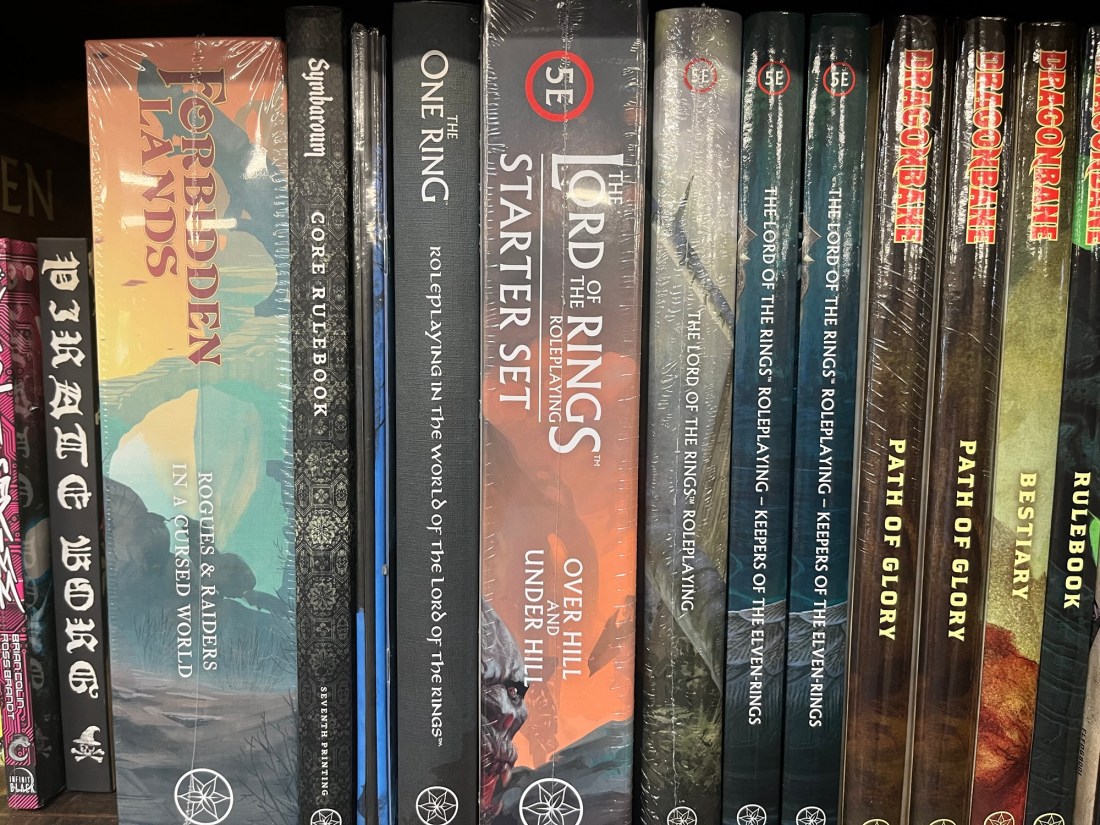
P.P.S. Featured photo is a shelf at my local gaming store, featuring some of The One Ring material.
1 This is meant to be a period of time between The Hobbit and The Fellowship of the Ring.
‘I am sorry,’ said Frodo. ‘But I am frightened; and I do not feel any pity for Gollum.’
‘You have not seen him,’ Gandalf broke in.
The Fellowship of the Ring, J.R.R. Tolkien
One of the most iconic characters in J.R.R. Tolkien’s Lord of the Rings trilogy is Gollum.
Gollum a twisted and corrupted being who kept the Ring of Power for countless centuries deep within the mountains, living far beyond his natural lifespan, and his mind growing darker and more sinister in the isolation, plus his obsession with the Ring…
He will never be rid of his need for it. He hates and loves the Ring, as he hates and loves himself. Sméagol’s life is a sad story.
The Fellowship of the Ring
Unlike other villains in the story, Gollum does not crave power, destruction, and dominion over others. Gollum only seeks to survive at all costs, and to get back his “precious” ring. By sheer craving and spite, he endures the elements, eats raw flesh, and lies, cheats, and backstabs his way through life.
For Dungeons and Dragons players, Gollum is the embodiment of the neutral-evil alignment in my opinion.
But why do I mention this?
I feel like we’ve all encountered someone like Gollum in our lives: someone nasty, cruel and devoid of any empathy toward others. I remember as a kid there was a middle-aged man who lived in our apartment complex who hated us kids playing outside, and would glare at us when we were too loud.1 I had a very wealthy, but also petty old woman live next door a few years ago, who constantly belittled others (including me and my yard). Even her helpers clearly hated her. There are people on social media, who do nothing but lie, twist words, and badmouth others simply so they can stay on top.
Frodo’s reaction to Gollum is understandable. Gollum is a contemptible, wicked creature, and Sam is right not to trust him. And yet, Gandalf knows something that Frodo doesn’t, and still pities him, even if he doubts that Gollum will ever change his heart:
Deserves it! I daresay he does. Many that live deserve death. And some that die deserve life. Can you give it to them? Then do not be too eager to deal out death in judgement. For even the very wise cannot see all ends. I have not much hope that Gollum can be cured before he dies, but there is a chance of it.
The Fellowship of the Ring
Gandalf is realistic in that the Ring of Power has so badly corrupted Gollum, that it’s doubtful he would ever return to his former ways, or somehow redeem himself, and yet there is a glimmer of possibility. The second book, The Two Towers, hints at this too just before he betrays the hobbits at Shelob’s lair…
For a fleeting moment, could one of the sleepers have seen him, they would have thought that they beheld an old weary hobbit, shrunken by the years that had carried him far beyond his time, beyond friends and kin, and the fields and streams of youth, an old starved pitiable thing.
The Two Towers, J.R.R. Tolkien
Behind countless layers of spite, rage, craving, self-hate, and so on, Gollum is still a weary l, pathetic, old hobbit (a.k.a. Sméagol) who just wants to be happy. His understanding of happiness is twisted by the Ring of Power, but the basic need is there. Frodo understood this, and pities him, even as Sam berates him.
One can only imagine: if Sam had been more patient with Gollum, would Gollum have still betrayed them?
In any case, one can look at the Gollums in our life and see the same thing. One has to approach such people realistically, they will hurt you if they can, but they are still pitiable creatures. Redemption may not be possible, but it’s helpful to remember who they are deep down.
Namu Shakamuni Butsu
1 A family friend got fed up with his attitude and came over and chewed him out. After that, he never bothered us again. I am always grateful to her for standing up to that bully.
Today we explore the fourth chapter of five of the 19th-century Soto Zen text called the Shushōgi (修証義, “Meaning of Practice and Verification”), which I introduced here. Chapter four delves into the importance of helping others as a fundamental Buddhist practice. You can read chapter three here.
And now, onwards dear readers…
Awakening the wisdom mind means vowing to save all beings before we ourselves have crossed to the other shore. Everyone — whether layman, priest, deva, or man — whether enjoying pleasure or suffering pain — should quickly awaken this vow.
Translation by Soto Zen Text Project of Stanford University, courtesy of Sotozen.net.
This “vow” is a concept in Mahayana Buddhism called the “Bodhi Mind”: the aspiration for Enlightenment no matter how long it takes, but also help liberate others along the way. The Four Bodhisattva Vows recited in Buddhist services encapsulate this sentiment.
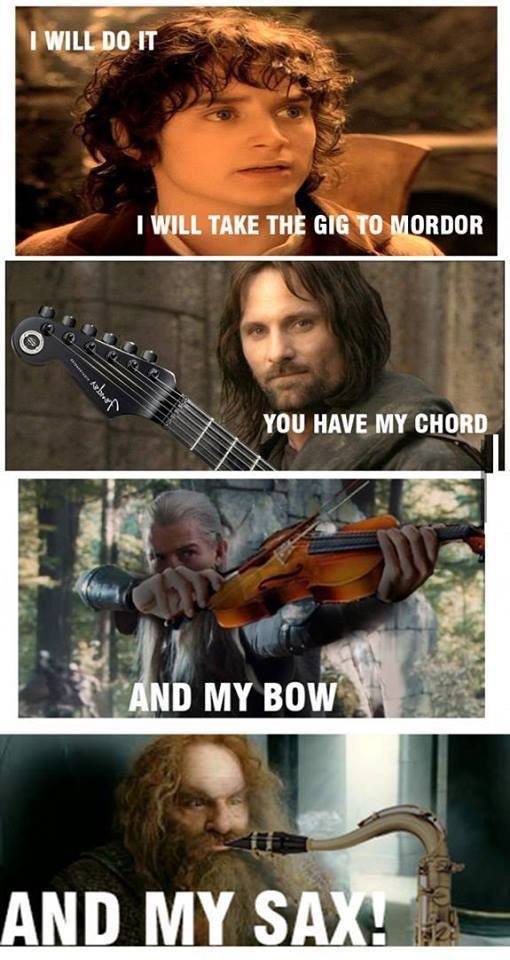
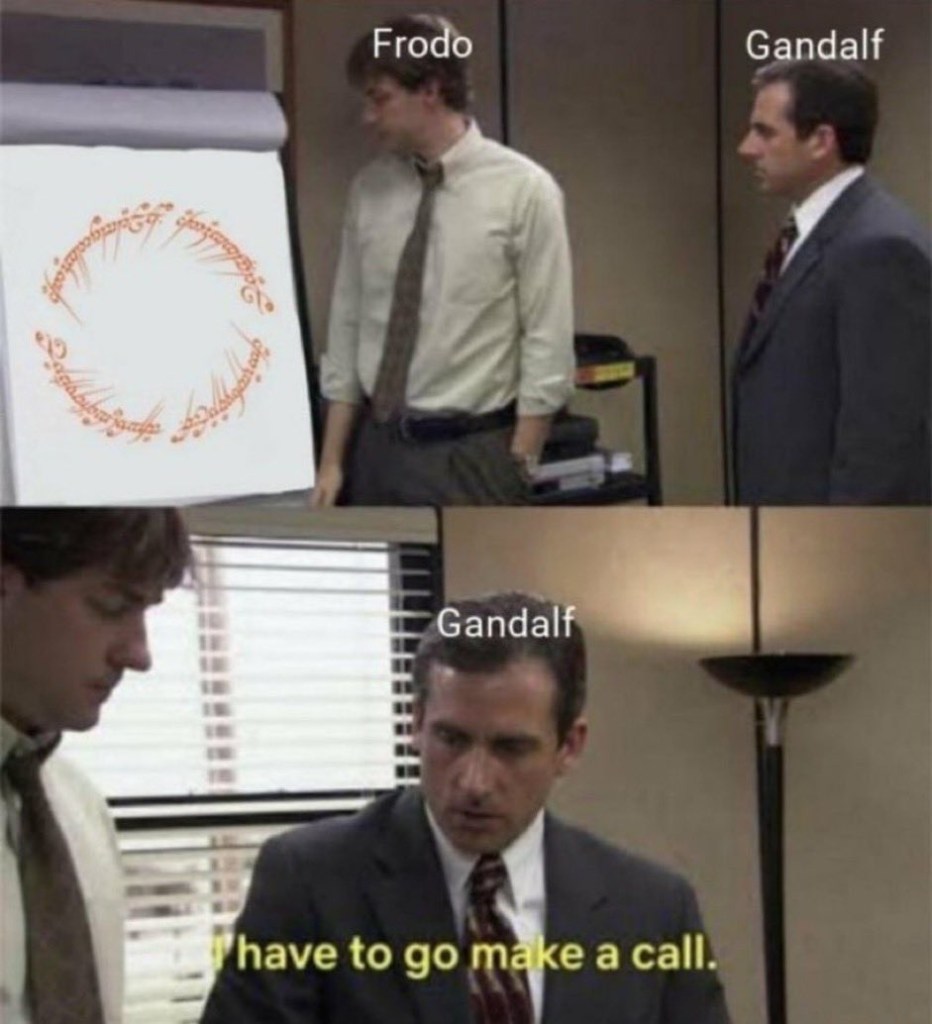
Lord of the Rings meme I found online recently. Denethor was a terrible dad. 🤣
Much like the precepts, it’s not something you master immediately, but if you choose to recite the vows, it may provide a beacon for yourself (and others) in difficult times.
Though humble in appearance, anyone who has awakened this vow is already the teacher of mankind. Even a girl of seven may be the teacher of the four classes of Buddhists and the compassionate mother of all beings. This emphasis on the equality of the sexes represents one of the finest teachings of Buddhism.
The “girl of seven” alluded to here, is actually a reference to the Dragon Princess (竜女, ryūnyo) in the twelfth chapter of the Lotus Sutra. Her miraculous progress along the Buddhist path to full Enlightenment, in spite of her being…
a girl in a patriarchal society,
a child, and
non-human
… was meant to blow the minds of the establishment and show how literally anyone can achieve Awakening if they put their mind to it.
Admittedly, Buddhism as a religion has had a complicated history with respect to gender and equality, but like Star Trek, it strives to see the best in all of us.
After the desire for Buddhahood has been aroused, even wandering in the six worlds and the four forms of life becomes an opportunity to realize this desire. Though we may have wasted our time in the past, we still have time to arouse this vow. Our merits toward Buddhahood may have fully ripened, but let us concentrate this merit on enlightening all living beings. Through all ages some have put Buddhahood for themselves secondary to working for the benefit and salvation of all beings.
As with taking refuge in the Three Treasures from chapter two, small acts can have big impact in the long-run even if it’s not entirely clear. Simply awakening this aspiration even for this moment can help fully actualize one’s practice regardless of how wanders through various states of rebirth (chapter one).
In other words, compared to the aimless wandering that is Samsara one has a sense of direction now, regardless of where the path takes you.
Frodo didn’t know the way to Mordor, but he knew he needed to go there. 💍
To benefit others we have four types of wisdom: charity, tenderness, benevolence, and sympathy. These represent the desires and efforts of the Bodhisattvas.
This part is important. Buddhism isn’t just about “being wise” or “not doing bad stuff”, the ethical lifestyle that is the Buddhist path encourages certain traits that benefit others:
charity
tenderness
benevolence
sympathy
…these are explained in detail below. In some sources, these are known as the The Four Bases of Community. In any case, the Four Bases are grounded in Buddhist metta (goodwill).
Charity stands opposed to covetousness. It is the principle of not preventing offerings though we ourselves give nothing. We need not mind how small the gift so long as the results are true. Offering even a phrase or a verse of the teaching becomes the seed of good in this world and the next. Similarly goodness arises from the gift of one cent or a single blade of grass. The teaching is the treasure, and the treasure is the teaching. Let us not covet reward but share our power with others. Supplying a ferry and building a bridge are acts of charity — nor is industry in all its form separated from it.
Like it says, no gift is too small if sincerely given.
Tenderness means viewing all beings with compassion and addressing them with kind words. Tenderness is to speak while bearing in mind the words: “I love all living beings as my children.” Praise the virtuous and pity the virtueless. Through tenderness we make friends of our enemies and strengthen intimacy with our friends. Kind words, when spoken directly to anyone, brighten his face and warm his heart. When spoken behind his back, they leave a deep impression. We should learn that tenderness has a revolutionary impact on the human mind.
Kind or patient speech really is a powerful thing. You don’t need to kiss up to people. Just say “thank you” or “good job” or “hang in there”.
Benevolence means devising wise ways to benefit beings both high and low. Those who rescued the helpless tortoise or the sick sparrow did not look for reward: they acted solely out of benevolence. The foolish believe that their benefits dwindle because they help others, but this is not true. Benevolence, the universal law, benefits oneself as well as others.
The sentence about “dwindling benefits” is important. As we saw in chapter one, karma matters. As we saw with the Bodhisattva Precepts, it’s important not to be stingy.
Sympathy means non-differentiation — the identity of self and not-self. For example, the Tathagata [Buddha] appeared in the human world in human form. Sympathy refutes the distinction between self and others. Sometimes the self is infinite; sometimes, others. Sympathy, like the sea, repulses no water, and all waters gather to form the sea.
Putting yourself in another person’s shoes is one of the best things you can do. You don’t have to like the person, but if you can empathize with them, you will learn a lot.
The simile of the ocean is really powerful here.
Seekers of enlightenment, meditate on these teachings. Do not belittle them. Revere and respect the merits that benefit all living beings and help them cross to the other shore.
The image of the Other Shore is very prevalent in Buddhism, and describes a great river with two shores: one shore which we are standing on is the shore of grief, strife, frustration, etc., and the other shore is peace, well-being, goodwill and of course Enlightenment. Thus, the image of crossing toward the other shore (preferably helping others to do the same), is a popular one. It is also the impetus for the Japanese-Buddhist holidays of Spring and FallOhigan.
Having said that, tomorrow will be our last chapter. Thanks for reading!
P.S. If you ever wanted to see how the fourth chapter is traditionally chanted, please enjoy this video:
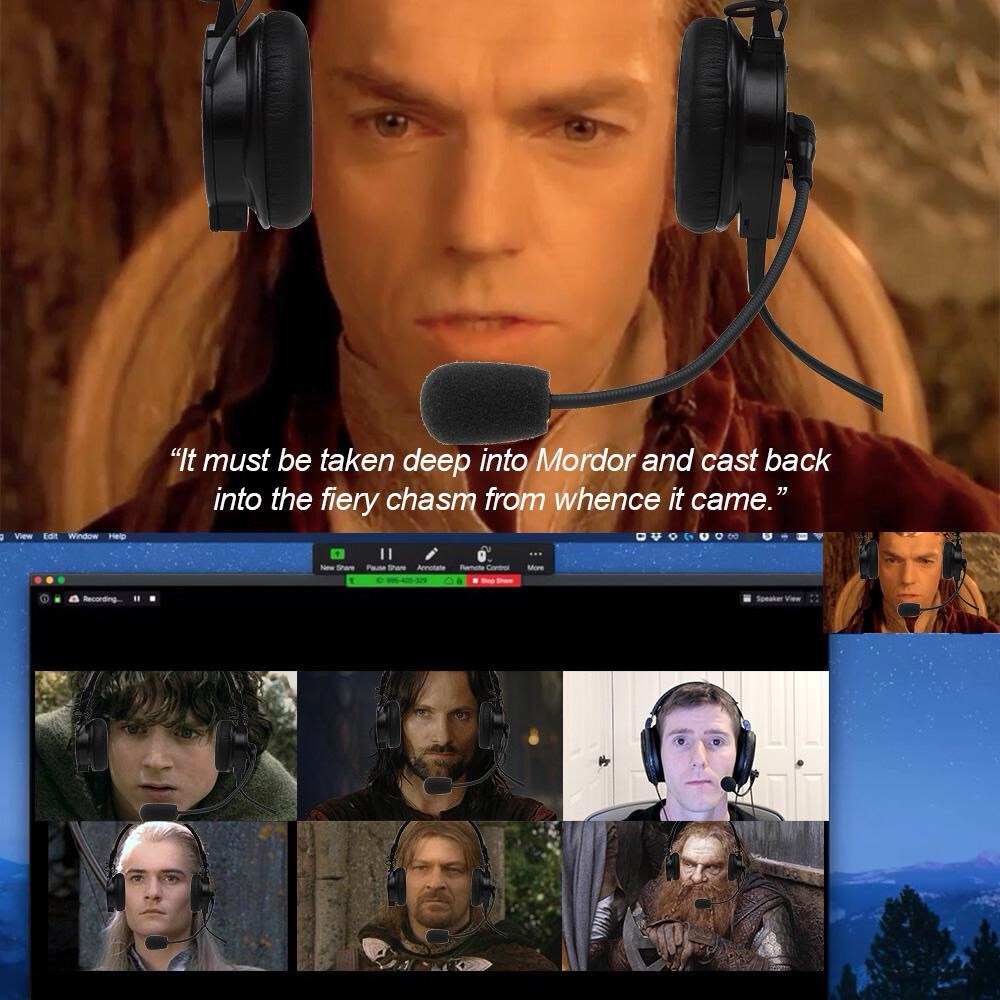
P.P.S. I have more LoTR memes on my phone camera roll than I care to admit. 😅
I found this on Tumblr a little while back, and wanted to share. It is a composite animation of the timeline of the entire Lord of the Rings trilogy, using gifs from various scenes of the movie. Enjoy!
Recently, I have been taking part in a play-by-post D&D campaign with some Discord friends, and decided to try something different for a character concept. I got the idea in a roundabout way from Lord of the Rings, namely a somewhat obscure character named Cirdan the Shipwright. It dawned on me that elves could forge things well, just like dwarves, even if their sense of style would be different. That led to Fenmaer Wasanthi, the high elf forge domain cleric, my PBP character.
For class-racial stats, high elves don’t make optimal clerics, but flavor-wise (and again borrowing from LoTR lore) it just made more sense than a wood elf forge cleric. High elves give off a vibe of cleverness, and crafting that wood elves don’t, so that seemed to mesh with the flavor of the forge cleric, even if I lose some stat benefits.
Still, how does one play a forge cleric? For the PBP campaign, we have an unusual composition in that we have wizard, druid and myself, the cleric. That means no melee fighters by default. It took me a session or two to realize that Fenmaer would be taking on the melee role while his partners would stay back and use magic. Because Forge Clerics get heavy armor proficiency by default, plus Blessing of the Forge to give my armor an extra +1, I could maintain a pretty high AC (19) easily enough. One would argue that Blessing of the Forge is one of the funnest reasons (besides good armor proficiency) to play a Forge Cleric. I have used it to give +1 to my weapon as well, and if we had a proper melee fighter, I could have easily just blessed their weapon instead.
However, the first couple Adventurer’s League modules that we played didn’t go particularly well. This was because I kept trying to play Fenmaer as an offensive cleric. I would cast Searing Smite (something that forge clerics get for free), whiff the attack and waste my spell slot (or it would hit and do middling damage). For Guiding Bolt, it was hard to cast because I would have disadvantage if the target was within 5ft, so I would have to risk backing up, and then it would still miss.
Later, it finally dawned on me that my Cleric abilities still worked better than my melee combat, but that I still need to stay on the front line. In other words a “tank cleric”: someone who can leverage cleric abilities while still absorbing potential attacks. So my strategy lately has been to:
Using Bless to improve the team’s attack capabilities and saving throws. Since this persists for multiple rounds, I get more bang for my buck, my other cast partners get better hit %’s and I can still hit with my sword better. Win-win.
For beefy attacks, using Inflict Wounds will work better than something like Guiding Bolt since I don’t have any disadvantage when I am up in an opponent’s face. With Bless in play, that also has a better chance to hit.
The gist here is that by focusing on buff spells, high AC, and clerical spells that require melee spell attacks, I get more bang for my buck on my limited spell slots, and provide more impact on the battlefield.
But the Forge Cleric gets noticeably better starting at 6th level onward: resistance (and then later full immunity) to fire, heavy armor gets additional AC benefits, etc. It kind of puts a Forge Cleric on a single development track (e.g. fire + heavy armor), but it makes sense flavor-wise, and like any good role-player, you play to your strengths rather than worrying about your weaknesses.
Speaking of fire, the emphasis on fire and metal makes for interesting flavor challenges for an elf. Normally, we associate elves with nature, greenery, etc, not fire and metal. However, there is a Forge domain deity for Elves named Darahl Firecloak (or Darahl Tilvenar in Elvish). He only gets a tiny mention in 5e’s Mordenkainen’s Tome of Foes, but older lore explains that Darahl is something of a black sheep in the Elvish pantheon due to a past tragedy he unwittingly committed, and his tendency to be more open to non-Elf converts. It makes for fun cleric role-playing: trying to revive Darahl’s religious community. Fenmaer’s backstory in particular is that he is from the community of Elventree near Mulmaster (where many D&D Adventurer’s League modules are based), and a small, diminishing community of high elves. Fenmaer’s motivation has been to revive the fortunes of his community and recover lost lore, forging methods, etc.
But also, going back to Tolkien, the high elves of D&D strongly correlate to the Noldor of the Silmarillion, due to their craftiness and emphasis on magic and forging artifacts (e.g. the Silmaril jewels), less so on nature. So, the idea of elves crafting is not as far-fetched as modern pop-culture would imply. This is one of the reasons I tend to play elves a lot in D&D: there’s a surprising variety of elf subtypes if you know your Tolkien. 😉
As for Forge Clerics, they have a clear track for development, and if you’re willing to play to its strengths, it’s a pretty fun interesting domain for clerics to explore, especially when you mix with interesting cultural interactions.
P.S. Briefly posted on another, experimental side-blog, decided to move here for consistency.





 Gleanings in Buddha-Fields
You must be logged in to post a comment.