Inequality

Spock sitting in an orange room, facing right, his fingers steepled as he meditates on a problem.

This troubled planet is a place of the most violent contrasts. Those who receive the rewards are totally separated from those who shoulder the burdens. It is not a wise leadership….

Star Trek: The Original Series, “The Cloud Minders” (s3ep21)

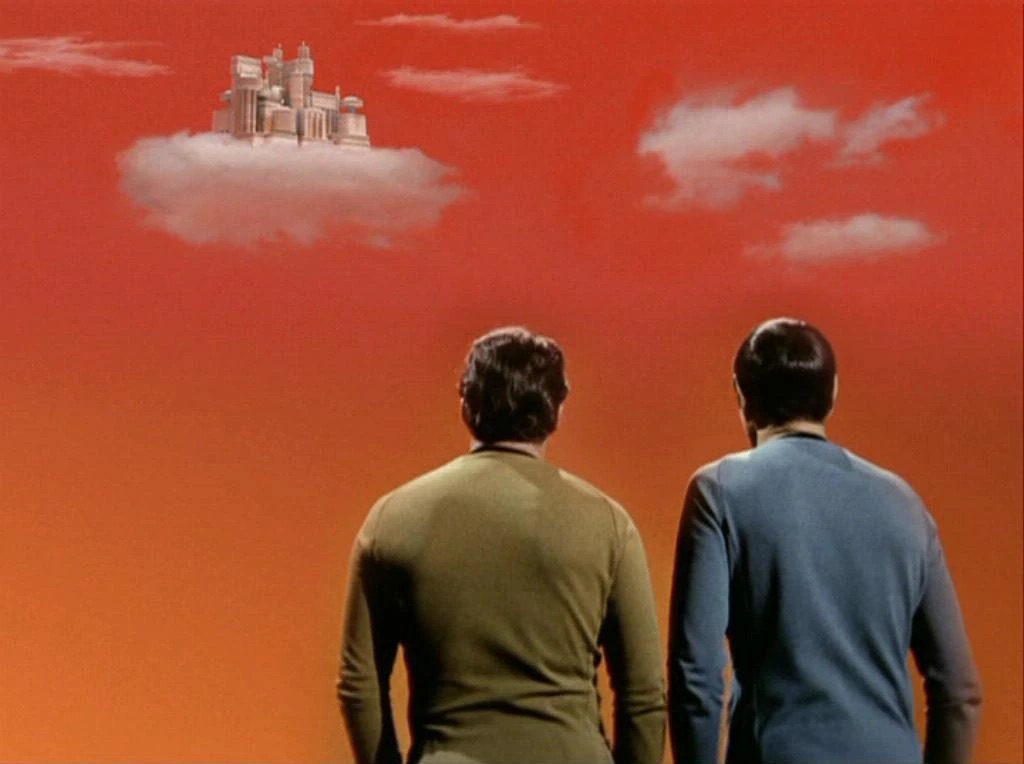
The classic Star Trek episode, “The Cloud Minders”, is a fun episode late in the third season that explores a society that is separated into two social classes: the intellectual class living in the clouds and a working-class that lives below in the mines.
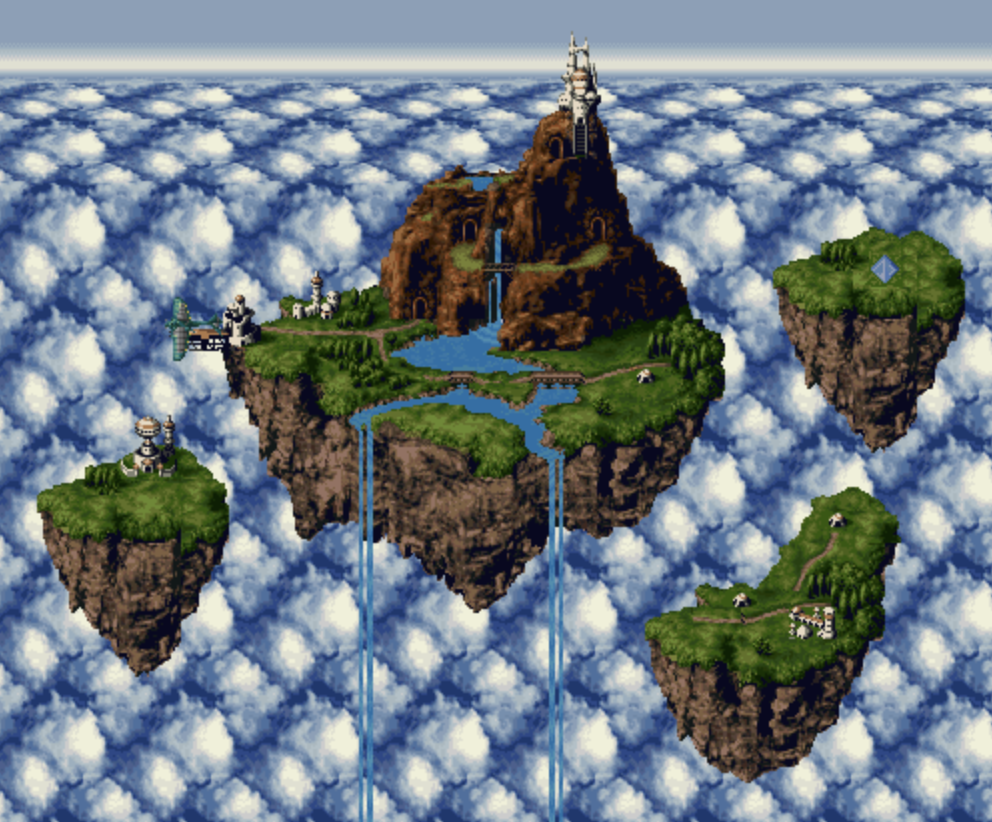
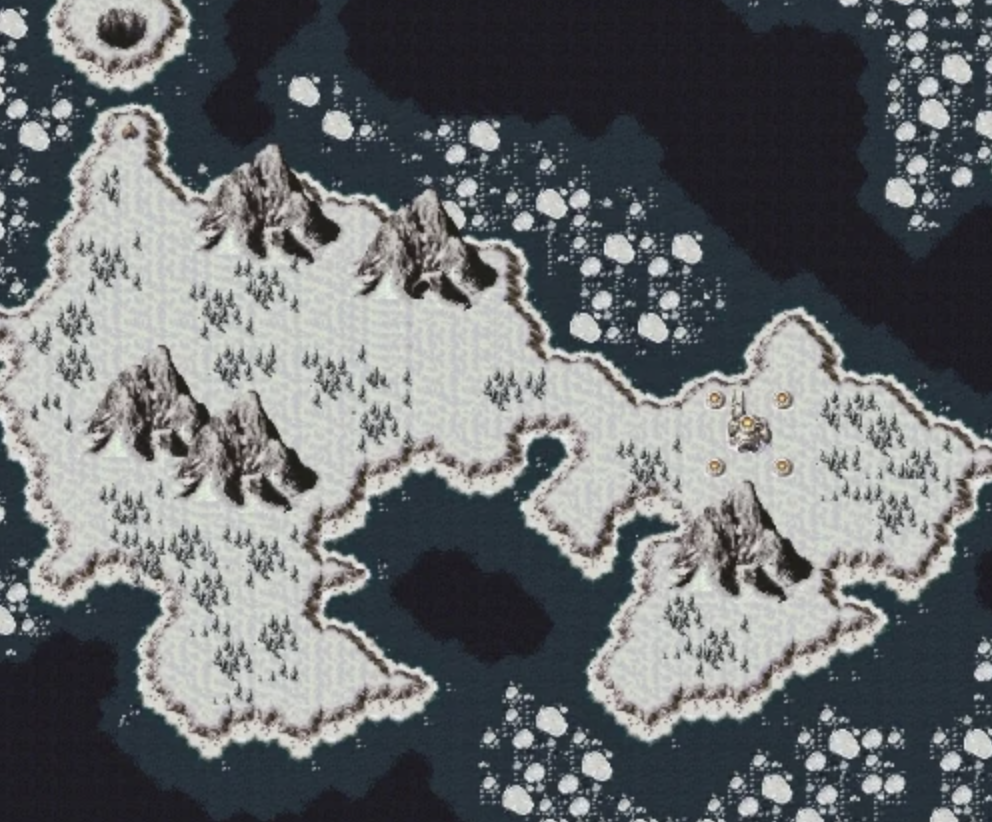
Years later, in the Japanese game Chrono Trigger, a similar theme was explored with a society that lived around 12,000 BC that had an elite intellectual class living in the clouds, and a worker class that lived in the icy wastes below.
It’s fascinating, if not somewhat disturbing to see real-life examples of this too. As much as I admire the Heian Period of Japanese culture, it’s not hard to see parallels: an elite literati that sits around and writes poetry all day, and a much larger illiterate peasant class that toils in the fields for their benefit. The inequality is disturbing.

Indeed, this pattern repeats over and over again in human history, regardless of time or place. There is even a political theory toward this end call the Iron Law of Oligarchy. Are we not also living under some form of oligarchy even today?

Further, the more that people “in the clouds” become cut off, the harder it is to develop empathy for those who toil, and easier to just blame them for their own predicament. This is the very antipathy of metta in Buddhism, the goodwill towards all beings, big or small, smart or foolish.

In some ways, the early Mahayana-Buddhist texts such as the Lotus Sutra or Three Pure Land Sutras1 were pretty revolutionary texts. The famous 12th chapter of the Lotus Sutra, and its story of the Dragon Princess deserves a look. In this story, the daughter of the Dragon King under the sea is introduced as a being of great wisdom despite only being 8 years old. The Buddha’s disciple Shariputra, representing the conservative faction of the Buddhist community scoffs at this:

At that time Shariputra said to the dragon girl, “You suppose that in this short time you have been able to attain the unsurpassed way. But this is difficult to believe. Why? Because a woman’s body is soiled and defiled, not a vessel for the Law [the Buddha-Dharma]. How could you attain the unsurpassed bodhi [awakening]? The road to Buddhahood is long and far-reaching. Only after one has spent immeasurable kalpas [eons] pursuing austerities, accumulating deeds, practicing all kinds of paramitas [self-perfections], can one finally achieve success. Moreover, a woman is subject to the five obstacles….”

Translation by Burton Watson: https://nichiren.info/buddhism/lotussutra/text/chap12.html

The Dragon King’s daughter rebuffs Shariputra’s criticism and wows them all:

At that time the members of the assembly all saw the dragon girl in the space of an instant change into a man and carry out all the practices of a bodhisattva, immediately proceeding to the Spotless World of the south, taking a seat on a jeweled lotus, and attaining impartial and correct enlightenment. With the thirty-two features and the eighty characteristics [signs of a Buddha], he expounded the wonderful Law for all living beings everywhere in the ten directions.

Translation by Burton Watson: https://nichiren.info/buddhism/lotussutra/text/chap12.html

The intended message here may seem a little strange to modern audiences. This was written for a patriarchal society in antiquity, but it’s clear the Lotus Sutra taught all beings, regardless of gender, age, or even human vs. non-human status, are equally capable of Buddhahood (full enlightenment) if given the chance. When they are not, society is stifled and suffers.

In the same way, when society maintains inequality for the sake of a few, or for the sake of tradition, it degrades society by robbing it of vitality and well-being for all.

Namo Amida Buddha

1 More on the Pure Land Buddhist path and its egalitarian approach.
Perspective

Recently, I discovered that one of my coworkers, who is an immigrant to this country, had survived the Yugoslav wars of the 1990s. I am trying to protect their identity a bit, but they described life as a teenager being besieged in their home city for months in 1992 without running water, or reliable food supply. After the war was over, they came to the US with a mere $50, a college degree, and no idea what to do next. Thankfully, my coworker was able to get on their feet, establish their career here, and now have a growing family.

However, what’s interesting is that if my coworker had never confided their past, I would never have guessed. By all appearances they were just another career adult. I’ve had a coworker who grew up in Palestinian refugee camps in the Middle East, but again, it’s not obvious in a professional work setting and they only confided in me much later in our friendship.

It underscores how many people around you, who by all accounts seem like normal, functional adults, may be carrying terrible traumas in their lives. It is not always wars, natural disasters, and ethnic conflicts either; it can also be personal, domestic traumas, emotional scarring that fades with time, but never fully disappears. It is said that 1 out of 4 women in the US, possibly more, have been abused and that means that out of all the women I work with, correspond with, or hang out with, one out of four, maybe even one out of three of them may be carrying out terrible scars from their past.

And of course, it’s not limited to women, either. It’s not hard to scratch the surface and find men who have also suffered terrible traumas, abuse, etc., and carry this with them for the rest of their lives. I remember my best friend in grade school suffering terrible, physical abuse from his father. He grew into a pretty unhappy teen and eventually the family moved away. I didn’t comprehend any of this until too late, and lost touch with him before we could talk about it together. I’ve always regretted that.

Being an adult is hard enough as it is, but also carrying around terrible traumas makes it even harder because you can never fully erase them. You can move on, find happiness, and still grow as a human being, but the scar will always be there.

Photo by Mokhalad Musavi on Pexels.com

My coworker who survived the Yugoslav wars, for their part, told us that they decided not to focus on the past and instead focus on the here and now: kids, career, helping others in the same field, and so on. They joke among other survivors that they still get a bit twitchy sometimes due to their traumatic past. Yet at the same time, they don’t want to be weighed down by it either. They want to move on and look toward the future.

In learning to understand others, I think it’s important to consider painful past they may have had. It doesn’t always excuse the behavior, but it does provide some perspective.

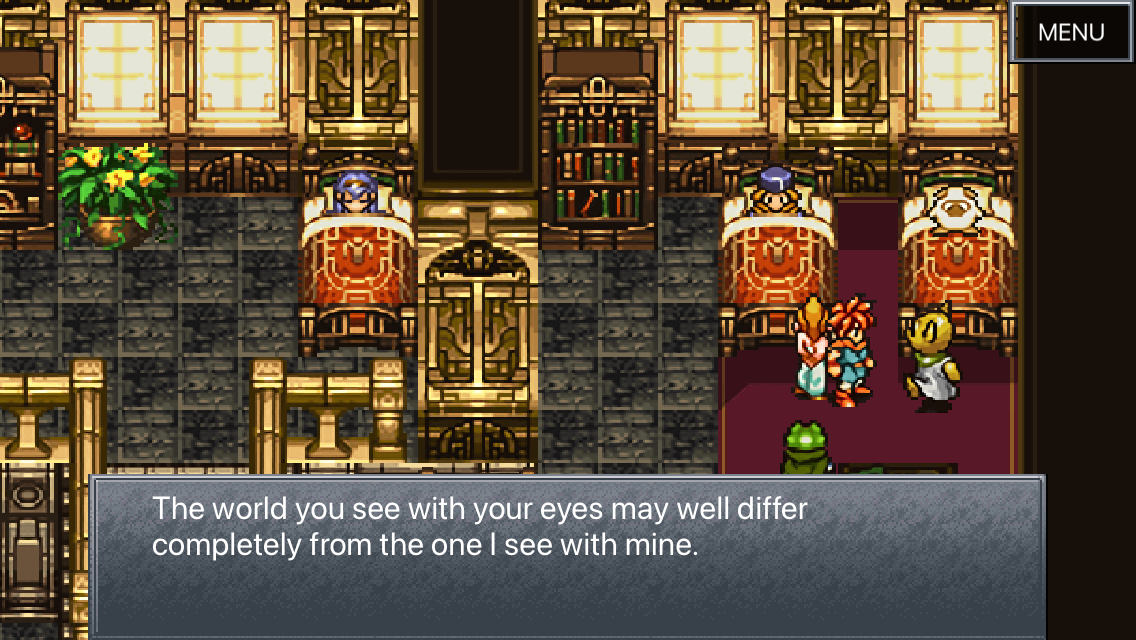
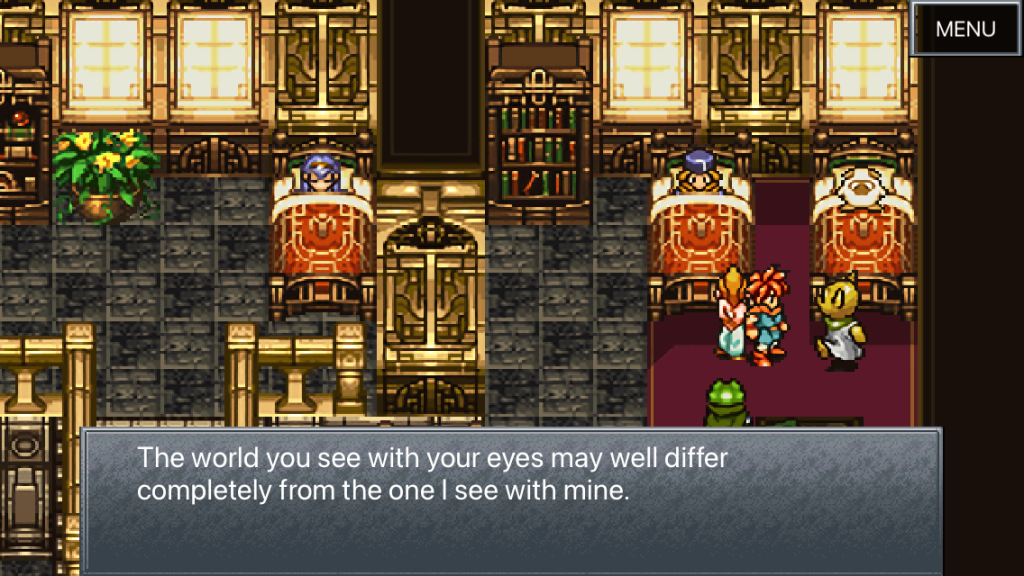
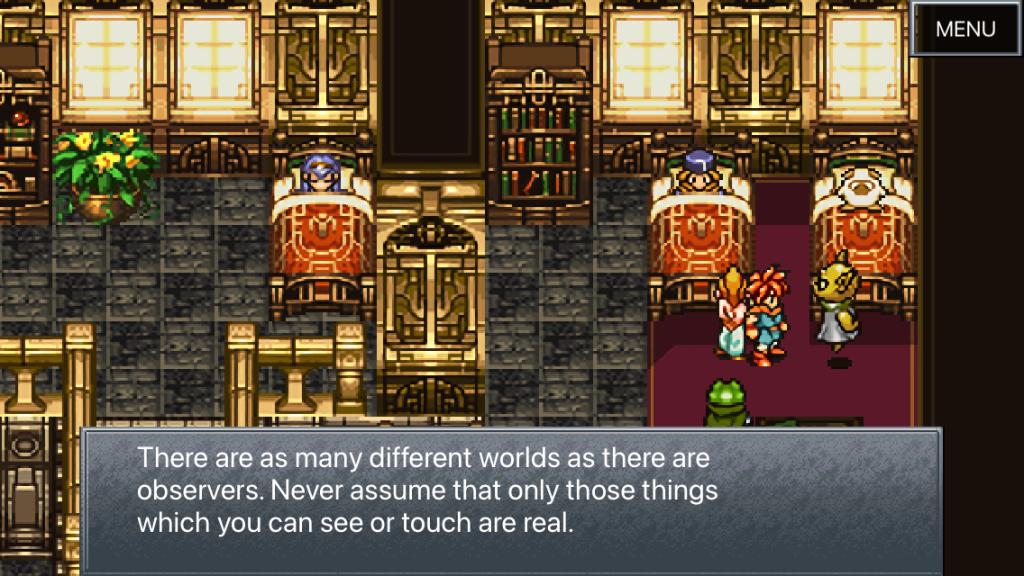
Screenshots from the game Chrono Trigger.

Tolerance

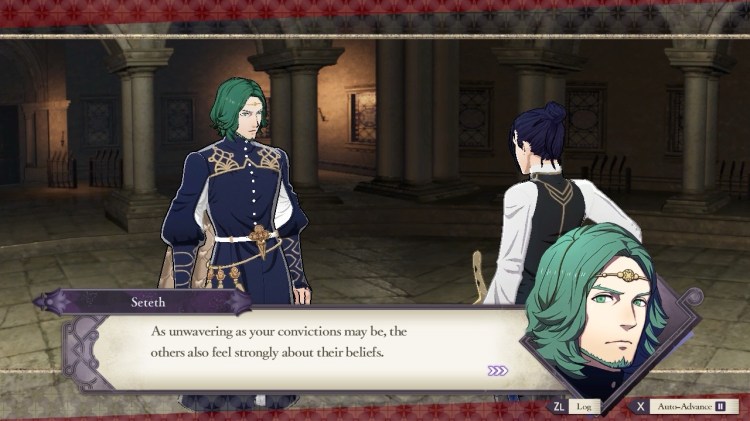
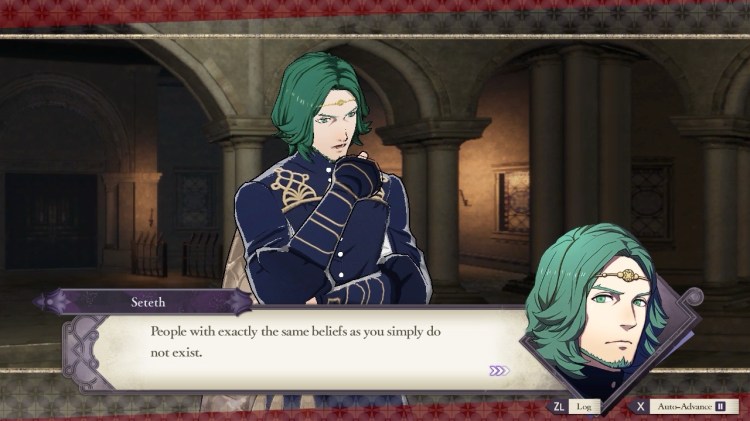
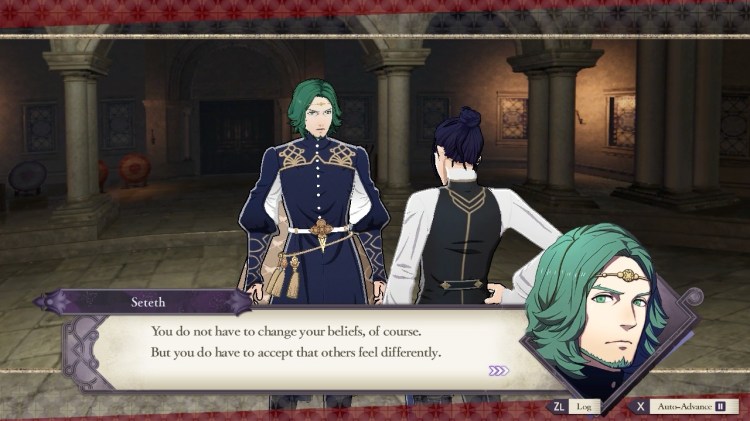
I thought this was a neat dialogue between two of the characters in the game Fire Emblem: Three Houses. The older Seteth (green hair) is offering some advice to the young and prickly Felix:

This might seem self-evident, but because we only see the world through our own viewpoint, our own thoughts and experiences, it’s easy to forget that other people have other viewpoints and other experiences, and come to their own conclusions, right or wrong.

Different game, but I hope the sentiment makes sense. 😆 It’s also why Buddhism emphasizes unconditional goodwill so much.

Namu Amida Butsu

Not So Common Sense

After finishing the game Fire Emblem: Three Houses, I am playing through again, but this time through the Golden Deer house,1 and I stumbled upon this amazing quote by one of the characters, Claude:

Claude is a particularly insightful character in the game (and probably one of the coolest), but this statement really sounds Buddhist to me, especially if you are familiar with Yogacara Buddhism, or the concept of mind as mirror.

It also reminds me of that quote I posted previously from Chrono Trigger:

Speaking of Fire Emblem: Three Houses, I have really enjoyed how diverse and well-written the characters are. With each path, the characters start out pretty different, but in time they learn to understand one another as your teamwork builds up, and in spite of their different viewpoints, they learn to work more closely together, sometimes even romantically. They don’t necessarily agree with one another, but they learn to co-exist at the very least. That’s not an easy thing to do, but I believe it’s the emotionally mature thing to do.

In any case, I think what matters is learning to appreciate how one-sided your own viewpoint is, even when it feels like “common sense”.2

The choices you make, the lifestyle you choose then to create a feedback loop that reinforces your own view of the world, and this in turn skews your thinking more and more to one viewpoint. It’s an easy thing to say, but hard to notice in oneself. You don’t have to throw it all out, but never be afraid to question your own assumptions.

Since this is also the start of the Juya season in the Jodo Shu tradition, best wishes to you all!

Namu Amida Butsu

1 previously Black Eagle house. Edelgard is controversial, but that lady was amazing. I got a little choked up at the end.

2 even the Buddha called this out in the famous Kalama Sutta.

A Brief Introduction of Yogacara Buddhism

For this year’s fall Ohigan season, I wanted to provide a brief introduction to fascinating and highly influential school of thought within Mahayana Buddhism called Yogacara (as in “yoh-ga-cha-ra”), also known as “Conscious-Only Buddhism”.

I first encountered Yogacara Buddhism through a book that was translated from Japanese by Professor A. Charles Muller titled Living Yogacara: An Introduction to Consciousness-Only Buddhism. The book was written by head of the temple Kofukuji, Rev. Shun’ei Tagawa. Kofukuji Temple, a place I happened to visit in 2010, is one of the last temples in Japan of the once powerful Yogacara, or Hossō-shū (法相宗), sect in Japan. It once dominated political and religious thought in Japan until about 10th century, when it was increasingly eclipsed by the Tendai sect, while its political entanglements with the powerful aristocracy eventually led to its downfall.

However, the Yogacara tradition extends all the way back to when Buddhism flourished in India, starting with two half-brothers Vasubandhu and Asaṅga in the 4th century CE, who wrote the first treatises in the region of Gandhara (a place mentioned here, here, here), where modern Pakistan is now. It was one of the many innovations in Buddhism that happened in Gandhara that then traveled the Silk Road to China and beyond. The famous Chinese monk, Xuan-zang, who journeyed all the way back to India to collect more teachings was also a Yogacara monk. What we read and enjoy today is due to the efforts of all these monks and teachers.

But enough about history. What is Yogacara Buddhism?

Screenshots from Chrono Trigger, the iOS edition.

In the book, Rev. Shun’ei Tagawa bluntly summarizes the Yogacara teaching that reality is:

“nothing but that which has been transformed by consciousness.”

translation by A. Charles Muller

Further Rev. Shun’ei then quotes a famous poem that encapsulates the teachings:

JapaneseMeaning
手を打てばAt the clapping of hands,
鯉はえさと聞きThe carp come swimming for food;
鳥は逃げThe birds fly away in fright, and
女中は茶と聞くA maiden comes carrying tea —
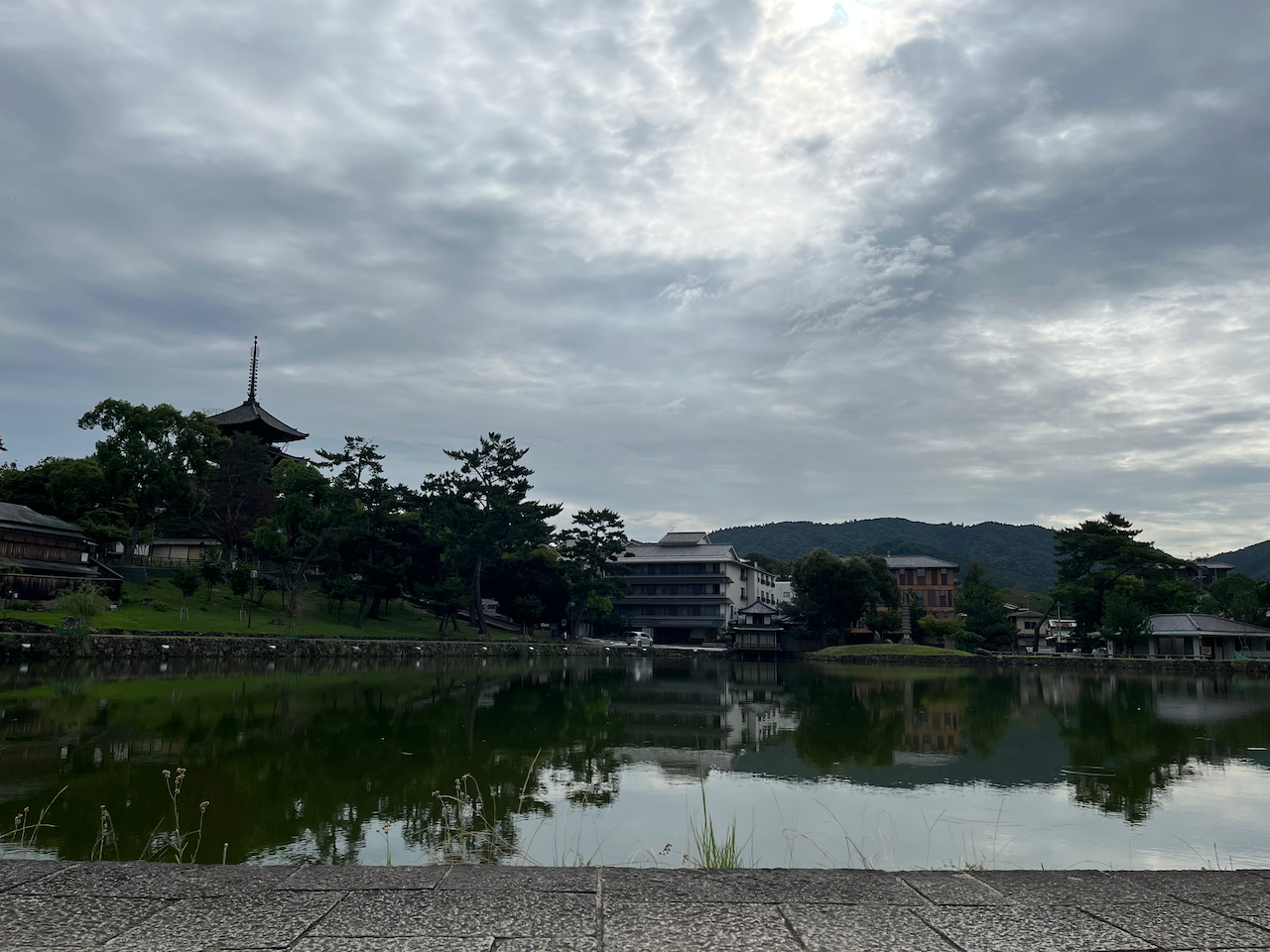
猿沢の池Sarusawa Pond.
Translation by A Charles Muller
The famous Sarusawa Pond in Nara, Japan. Taken in July 2023. Kofukuji Temple can be seen to the left behind the trees.

The idea is that with a simple noise like the clapping of hands, each creature (or person) responds differently according to their background or how they view the world.

Using a more modern example from the book, imagine two people looking at a mountain together. One is a mountain climber, another is a painter. As a pile of rocks and magma formed by geological processes, a mountain is just a mountain. And yet, each person will perceive the mountain differently from one another. And such people will also interpret it differently than a goat on the mountain. It’s not a conscious effort either, it’s how our mind naturally works. Sort of a bubble of perception that we each live in, colored and reinforced by the constant feedback of our own thoughts, feelings and actions on the bubble’s inner surface.

Yet another example might be a fresh pair of jeans you bought and started wearing. Depending on what you do, or how you live your life, the jeans will absorb that. If you spend a lot of time in bars, your jeans start to smell like tobacco (or puke), if you work in a fast-food place your jeans smell like french fries, and if you visit Buddhist temples a lot, it will smell like incense. Your conduct, how you live your life and such, all play into a feedback loop that tends to reinforce itself, and in so doing “filter” your perception of the world. And this dynamic process is still ongoing every moment of your life.

Through this process, we also unknowingly isolate ourselves from the world around us, because, whether we are aware of it or not, we see ourselves as the center of the universe. This is why later Buddhist schools, such as the Zen Buddhists would use terms like the “mind as mirror” and such: what we perceive, we transform and filter in our conscious and project back out. We project ourselves back out onto the world around us all the time.

or, put another way…

What makes Yogacara Buddhist so fascinating is not just the concept, or its surface-similarity to Western philosophical ideas like Idealism, but how the early Yogacara Buddhists analyzed the “how” and “why” living beings do this, and further, how to apply this toward the Buddhist path toward liberation. Later Buddhist schools, I believe, applied Yogacara Buddhist teachings in their own ways, but the teaching remains more or less the same to this day even if couched in different language.

Anyhow, we’ve only scratched the surface here, but it’s a fascinating thing to look at, and hopefully I’ll be posting more content from Shun’ei Tagawa’s book.

Hope you’re all safe and well this Ohigan season, that the weather is pleasant, and you can take a moment to breathe easy and take it all in. Take care!

P.S. In the Chrono Trigger screenshots above, if you’re curious what the original Japanese text is (because you’re a big nerd like I am), it is:

あんたの目に見えてる世界とアタシの目に見えてる世界とはまったくちがうものなのかもね。

いい?宇宙の生命の数だけ存在するわ。見えるもの、さわれるものだけが本当と思っちゃダメよ。

The English translation is spot-on.

Corridors of Time

Box Log Falls, Lamington National Park, Queensland, Australia. Part of a remnant rainforest that once spanned across Antarctica and neighboring lands.Malcolm Jacobson, CC BY-SA 2.0, via Wikimedia Commons

Recently, the family and I went on the first vacation since the Pandemic to Victoria, British Columbia. I keep forgetting to post photos and talk about the trip due to time, but needless to say it was a great trip and we had a much needed break after 3 years.

On the final day, we visited the Royal British Columbia Museum and saw many great exhibits. The Museum is excellent, and I definitely recommend a visit.

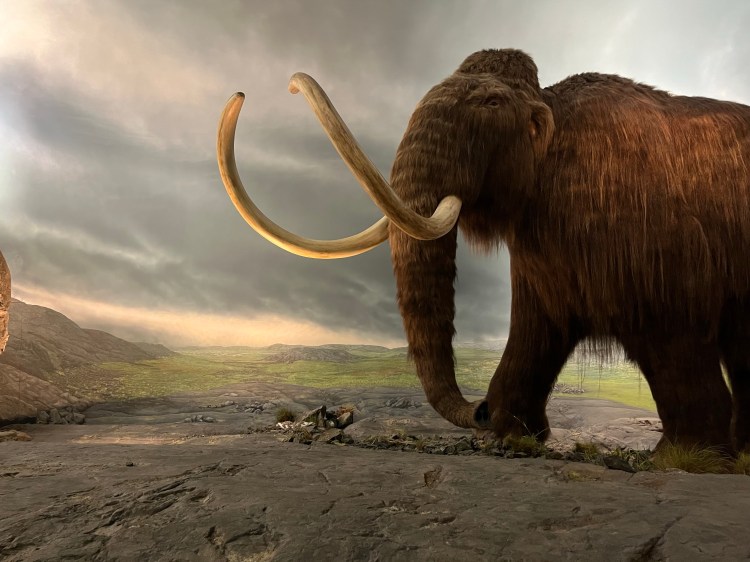
Mammoth exhibit
The prehistoric mammoth exhibit at RBCM was amazing.
Elk exhibit
The RBCM also had great exhibits depicting native fauna including elk.
Seashore exhibit
You could also see exhibits of different habitats around Vancouver Island.

Among its features that day was an IMAX movie about prehistoric Antarctica titled “Dinosaurs Of Antarctica 3D”. As of 2025, it is now available on Youtube:

The IMAX movie provides a visual tour of Antarctica across various points in time, when it was a lush rainforest, how it survived the catastrophic Permian-Triassic mass-extinction, and much later when the Chicxulub asteroid struck the earth, leading to the end of the dinosaurs. Now, the entire continent is a frozen waste, with only remnants left in Australia, but it was not always so.

The Gondwana Supercontinent, 420 million years ago. Fama Clamosa, CC BY-SA 4.0, via Wikimedia Commons

It’s sad to imagine a vibrant world like that is now long dead, buried under ice, but it’s also fascinating to think of how much time has passed, and how much the world changes. Even when Antarctica was warmer and sustained a vast array of life, that life changed and evolved over eons as well. In the earliest era, there were primitive lizard-like creatures that eventually evolved into mammals, huge predatory amphibians, and later the classic dinosaurs. They, like us, would not be able to mark such a long, vast passage of time.

Thinking about it puts all our efforts and beliefs into perspective. The earth, and its changing climate (man-made or otherwise) doesn’t really care whether you believe in it or not, or whether it might lead to extinction of some species while allowing others to thrive. This world belongs to the Earth, and we’re just living in it. Even on a small, more generational level, change occurs. When my family and I visited Leavenworth, WA earlier this summer we visited a local man-made island that had been created a hundred years ago. A plaque at the entrance pointed out that over time due to natural processes, certain species of trees had sprung up, but after another 100 years those trees would die off and different species would be ascendant. Any human alive today will likely not be around to see the change, but in a few generations the island will have different flora and fauna simply due to natural process.

Example fauna and flora we saw at the park just outside Leavenworth.

Faced with this reality, it makes us naturally worry about what our place in the world is, and how we can live in it. Many of our solutions, philosophical, religious and such are, if you scratch the surface, made by humans for humans. Even the Buddhist religion, of which I’ve been a follower since 20051 often feels like it has a lot human-centric window-dressing. Many aspects of Buddhist “lore” (think Star Wars expanded universe) seem somewhat silly in the face of science. It’s not necessarily “wrong” though, and I strongly disagree the Western-Buddhist tendency to write it off as “cultural accretions”, either.2 However, at the end of the day, it’s just a form of human expression grappling with the world around us.

And yet, there are certain fundamental truths that all Buddhists know (or ought to), that not only conform to science, but also give it some sense of meaning beyond the raw, materialistic one:

  • All things arise due to external causes and conditions. As such, their existence is contingent and fluid, not static.
  • Therefore, life is both precious and fragile.
  • Similarly, change is the only true constant of the universe, and much of it happens outside our control. Some if it is induced by our own shortsightedness though.
  • Thus, one’s mind is what truly matters.
  • In the same way, conduct matters. What we do affects others, what others do affects us.

For this reason, many different approaches, or “dharma gates“, arose in the Buddhist tradition in order to actualize these truths. But sometimes, you also need something bland and neutral like natural science to kick you in the pants, ground yourself, and remind you what matters.

Namu Amida Butsu
Namu Kanzeon Bosatsu

P.S. Title of this post is a nod to famous song from the Chrono Trigger soundtrack: toki no kairō (時の回廊)

1 Arguably even further back, if you count dabbling in high school, but it’s a hassle to explain.

2 One researcher’s description of Western Buddhism as “Protestant Buddhism” is pretty spot-on, I think. Oh hey, look, more cultural accretions! Highly recommend the linked book, by the way.

Buddhism, Conceit and The Nature of All Things

Lately, I’ve been playing the classic RPG game Chrono Trigger on my mobile phone, and it’s been a lot of fun to relive this game on a modern platform. I am amazed that this game even fits on a mobile phone, but that shows how much times has changed.

Anyhow, these screenshots are from my favorite part of the game where the players travel in time to an enlightened Ice Age / Atlantis-like civilization. One of the residents of this realm says to the players (as shown in the screenshots above):

The world you see with your eyes may well differ completely from the one I see with me. There are as many different worlds as there are observers. Never assume that only those things which you can see or touch are real.

This is a surprisingly Buddhist message (even if not intended that way). Allow me to explain.

Of the most fundamental Buddhist teachings (i.e. the Dharma) is the concept of no-self called anātman in Sanskrit. Sentient beings from the moment they’re born or conceived, they begin to experience senses, feelings and thoughts in a interdependent phenomena that Buddha calls the Five Skandhas (aggregates). The details aren’t super important, but what matters is that from all these sense experiences, feelings and thoughts, sentient beings reify this into a sense of self, even though it has no permanent substance (i.e. it “has no leg to stand on”).

Because we create this sense of self out of our past experiences, thoughts, etc, it also colors our future thoughts and impressions as well. The experiences and sense of self of a person born in a rural family will differ from a family born in the city, a person born in one country vs. another, a person raised in a large family vs. a small one, a religious family vs. a non-religious one, etc. In short, there are almost as many possible ways to look at the world as there are people because each person is coming with their own personal baggage, and each one assumes their perspective is reality because that’s all they’ve ever known. It’s like a fish who only knows the lake waters they have grown up in, unaware of a much larger ocean, let alone the air above, and space beyond that.

Further, in the end, these perspectives, views, etc are all just a bunch of hot air. They have no substance apart from what is in people’s minds. Hence no-self / anātman.

The Buddha really brings this home when he talked with a wandering ascetic named Vaccha:

“A ‘position,’ Vaccha, is something that a Tathagata [i.e. a Buddha] has “A ‘position,’ Vaccha, is something that a Tathāgata has done away with. What a Tathāgata sees is this: ‘Such is form, such its origination, such its disappearance; such is feeling, such its origination, such its disappearance; such is perception… such are fabrications… such is consciousness, such its origination, such its disappearance.’ Because of this, I say, a Tathāgata—with the ending, fading away, cessation, renunciation, & relinquishment of all suppositions, all excogitations, all I-making & mine-making & obsessions with conceit—is, through lack of clinging/sustenance, released.”

The Aggi-Vacchagotta Sutta (MN 72) translated by Thanissaro Bhikkhu

So, while we need to rely on our senses and thoughts for practical, day-to-day living, it’s important to take our own thoughts with a grain of salt, and not assume we have a pristine understanding of things. The results may surprise you.

P.S. The venerable Yogacara school of Buddhist philosophy really explored this in excruciating detail by mapping the mind, how it takes in new experiences, the many possible feelings one might experience, etc, and how these drive new thoughts based on past experience in a kind of feedback loop which they called “perfuming the seeds [of the mind]”. Reverend Tagawa’s excellent book, translated into English by Professor Charles Muller, Living Yogacara is an excellent overview of the Yogacara school of philosophy as it exists in Japan as the Hossō school. One of my favorite Buddhist books to read.