Lonely At The Top: Minamoto no Sanetomo

I’m still keeping up with the Japanese historical drama the Thirteen Lords of Kamakura, discussed here, which is based primarily on the Azuma Kagami (吾妻鏡) a historical text about the period, and a fascinating look at how the Shogunate, or samurai military government, of the Kamakura Period rose and fell.

The rise of the Kamakura Shogunate began with the climactic battle between the Heiki (Taira) clan and the Genji (Minamoto). In order to topple their rivals, the Genji had to enlist a complex web of alliances with other samurai clans in the eastern regions of Japan, with Kamakura as their capitol, most crucially the Hojo Clan (the source of the Triforce in the Legend of Zelda series). This alliance overwhelmed the Heike and led to downfall.

However, once the Heike were wiped out, and the old Imperial political order ended, the various clans including the Minamoto themselves turned on one another to sort out who the Shogun would be, and would be pulling the strings behind the throne. The first Shogun, Minamoto no Yoritomo, turned on his half brothers and killed them one by one using flimsy legal pretexts, while his firstborn son Yoriie, the second Shogun, vied with his council (the aforementioned 13 Lords above) until he was driven into permanent exile. Hojo Masako, the so-called “Warlord Nun” contended with her father Hojo Tokimasa when he tried to assert a dominant hand, and had him exiled too. As all this was going on, the various allied clans took sides with members of the Hojo and Minamoto. Generation after generation, people kept stabbing each other in the back in order to advance their faction in the new military government.
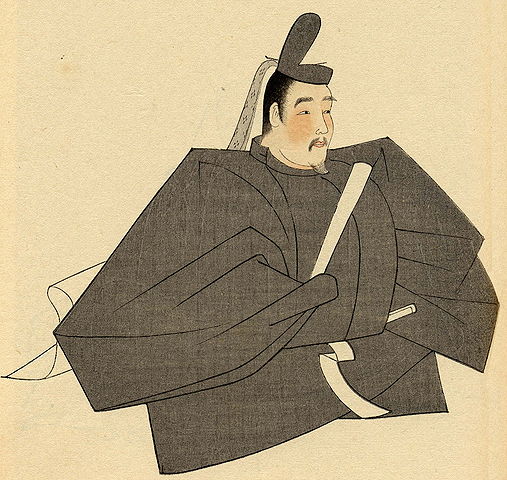
Sanetomo in court clothing, painting by the priest Goshin. Photo courtesy of Hannah, Public domain, via Wikimedia Commons

This left Yoritomo’s younger son, Minamoto no Sanetomo (源 実朝, 1192 – 1219), to assume the position as Shogun, the 3rd in line. Sanetomo was doomed from the beginning.

Sanetomo was a puppet of his maternal family, the Hojo Clan, who surrounded him as advisors and ministers, but also carried out the real functions of government. Sanetomo knew from early on that he was essentially a figurehead, and could easily be toppled by whatever faction wanted to replace him with a more amenable candidate for Shogun. It is said that Sanetomo retreated into drinking and composing poetry, of which one of them is included in the Hyakunin Isshu anthology:

JapaneseRomanizationTranslation by Joshua Mostow
世の中はYo no naka waIf only this world
つねにもがもなTsune ni mo ga mo nacould always remain the same!
なぎさこぐNagisa koguThe sight of them towing
あまの小舟のAma no obune nothe small boats of the fishermen
who row in the tide
綱手かなしもTsuna de kanashi mois touching indeed!
Also posted in the other blog…

Sanetomo evidentially composed the poem after watching some fishermen at work on the shore, envying their simple lives in contrast to the constant political infighting and manipulation that surrounded his.

Sadly, things never got better.

Sanetomo’s life ended at the age of 28, when he was assassinated by his nephew at the footsteps of the famous Tsurugaoka Hachimangu Shrine (visual tour here) in Kamakura. It is said his nephew hid behind the ginkgo tree there, and as Sanetomo descended the steps, leapt out and ran him through with a sword.
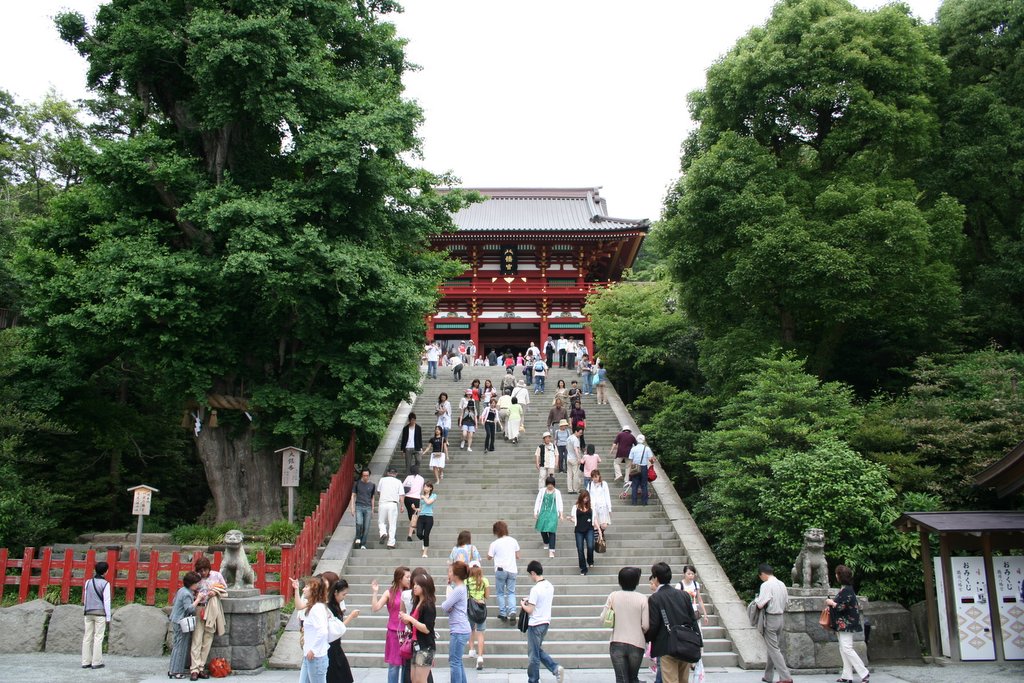
The gingko tree where Sanetomo’s assassin hid is shown here on the left. In 2010, the tree now many hundreds of years old, fell over in a powerful wind storm, and has been partially rehabilitated from a shoot. No machine-readable author provided. Abrahami assumed (based on copyright claims)., CC BY-SA 2.5, via Wikimedia Commons

Further, the Kamakura Shogunate only spiraled further. With Sanetomo’s death, the Minamoto line ended, and the Hojo Clan promoted various relations of the Minamoto (often drawn from the Fujiwara clan) as the subsequent Shoguns. Each one of these shoguns was simply another figurehead, while the Hojo tightened their grip on power as “regents”. Once Hojo Masako died, there was no one left savvy enough to hold it together, and the Mongol invasions further drained away any remaining resources until the government was finally toppled by a rival warlord.

Sanetomo’s life, the ignominious circumstances that surrounded his family (both his father’s line and his mother’s family’s scheming) ensured that even with the powerful title of Sei-i Taishōgun (征夷大将軍, “Commander-in-Chief of the Expeditionary Force Against the Barbarians”) he lived alone and apart from everyone, constantly in fear of his life, and powerless to do anything about it.
Korean Fan Poem

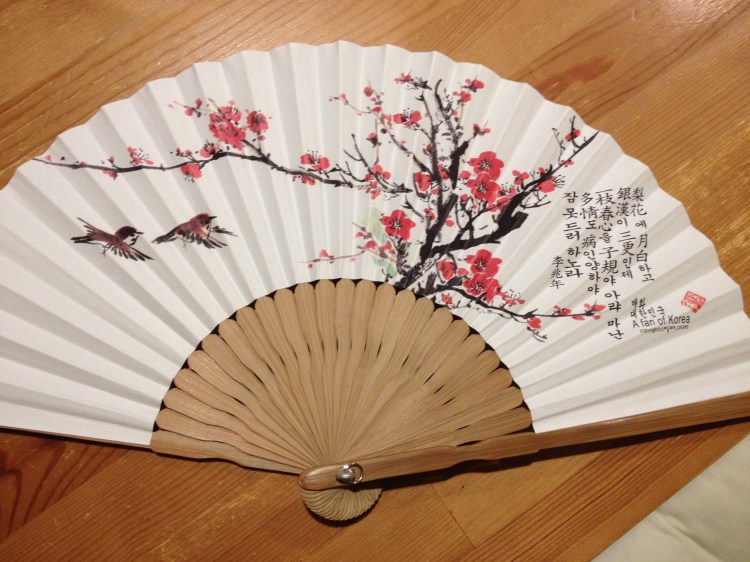
I don’t get to talk about Korean culture and literature every often, but a few years back I had a pretty hard-core KPop phase (SNSD, 2NE1, Brown Eyed Girls, etc). Coincidentally, one of my friends is Korean, one time she sent me this cool fan one time during her last trip home:

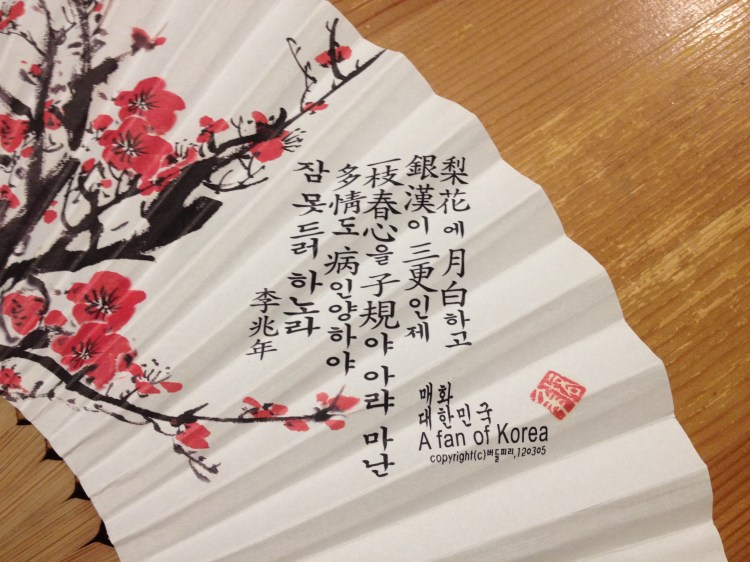
If you look carefully, the fan has a poem written on it that mixes Korean hangeul script and Chinese characters:

I got curious and did some investigating on what this poem was, translations, etc., and it turns out that this is a famous poem in Korea by Yi Jo-Nyeon (이조년, 李兆年, 1269∼1343) and utilizes a kind of popular poetic form called a sijo, a popular form of Korean poetry comprising of three lines of verse. Sadly, there is no English article about him on Wikipedia, but there is one in Korean.

Also, I found a translation here.

So, without further ado, here’s the poem on the fan, with the original text (with hangeul in parantheses, just like the fan), pronunciation and translation:

Original Text
(hangeul pronunciation in parentheses)
RomanizationTranslation
梨花(이화)에 月白(월백)하고 銀漢(은한)이 三更(삼경​​)인 제I-hwa e weol-baek hago eun-han i sam-gyeong injePear flowers illume moon-white, a galaxy in midnight
一枝春心(일지춘심)을 子規(자규)야 알랴 마난Ilji chunshim eul jagyu ya alrya mananThe sentiments of spring on that branch, does the cuckoo know?
多情(다정)도 病(병)인양 하여 잠 못 들어 하노라Dajeong do byeong inyang hayeo jam mot deuleo hanoraI sleep fitfully for this sickness, this tenderness of heart.
Translation by Jungmin Bae at https://cagibilit.com/in-translation-pear-flowers-illume-moon-white/

Pretty nice poem actually, and now you know some famous Korean poetry!

The Original Poet-Monk: Saigyo Hoshi

Long before people like Basho or Yosa Buson, in Japan there lived a man named Saigyō Hōshi (西行法師, 1118 – 1190), who lived a privileged life in the Heian-period Court, but then threw it aside to become a prolific poet while living an ascetic life as a Buddhist monk.

JapaneseRomanizationTranslation
しほりせでShiori sedeLeaving no trace
なを山ふかくNao yama fukakuOnce again into the mountains’ depths
わけいらんWake iranI’ll make my way;
うきこときかぬUki koto kikanuNot to hear the world’s pains–
所ありやとTokoro ari to yaI wonder, is there such a place?
Translation and poem here.

Saigyo began his life as Satō Norikiyo (佐藤義清), serving Emperor Toba as part of the elite palace guard called the hokumen no bushi (北面の武士, lit. “Northern-facing samurai”). Further, he earned a reputation for both horseback archery (流鏑馬, yabusamé) and Heian-style kickball (蹴鞠, kemari), and had a wife and kids among the Heian aristocracy.

However, Norikiyo lived during a time when the upper levels of the Imperial Court were embroiled in nasty power struggles, and everyone serving under them was being dragged into it. Seeing that the Court was a kind of golden sham, Norikiyo abruptly threw away his privileged life, left his family, and took up the life as a wandering ascetic. Eventually he made his way to Mount Koya, home of the esoteric Shingon sect, and underwent training, with the ordination name Saigyō.

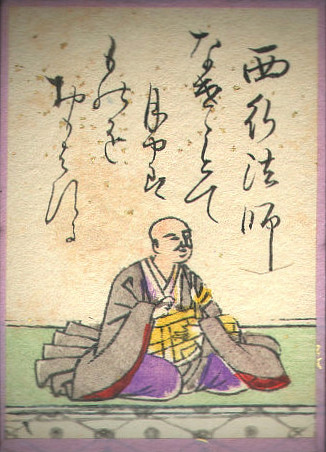
Saigyō Hōshi as depicted in the Hyakunin Isshu card game

Not long after Saigyo had left the Imperial Court, his worst fears came true as members of the Imperial family engaged in a short-lived war amongst factions known as the Hōgen Rebellion in 1156. Emperor Sutoku was on the losing side of this rebellion and was later exiled, and died soon after. The samurai factions who supported the winning side ascended in power, spelling the rapid demise of the Heian Period. Saigyo, while at Mount Koya, grieved for the fallen Emperor Sutoku:

JapaneseRomanizationRough Translation1
よしや君Yoshiya kimiIs this not a good thing, my lord?
昔の玉のMukashi no tama noOnce you were seated
床とてもYuka totemuupon a jeweled dais,
かからんのちはKakaran no chi wayet now for you there’s no
何にかはせんNani ni kahasenlimit to what you can be [e.g. a Buddha].
This is a rough translation based on Japanese sources. There is no English translation as far as I could find. Apologies for any mistakes above.

Of the ongoing battles between factions, Saigyō lamented:

JapaneseRomanizationRough Translation1
死出の山Shide no yamaPeople are crossing
越ゆるたえまはKoeru taema waover the Mountain of Death
あらじかしArajikashiwithout end
なくなるひとのNaku naru hito nobut I fear that this
かずつづきつつKazu tsuzukitsutsuwill only continue…
This is a rough translation based on Japanese sources. There is no English translation as far as I could find. Apologies for any mistakes above.

Saigyō went on several pilgrimages across Japan throughout his life, reconnecting with old friends at the Court, making new friends, and leaving quite a bit of poetry. He had a very affable manner, and made many dear friends over time:

JapaneseRomanizationTranslation
君いなばKimi inabaIf you should go,
月まつとてもTsuki matsu tote moI’ll say I’m waiting for the moon,
ながめやらんNagameyaranTurning my gaze
あづまのかたのAzuma no kata noToward the eastern,
ゆふぐれの空Yūgure no soraEvening sky.
Translation and poem here.

His wanderings were an inspiration to haiku-master Basho centuries later. He was a passionate poet, convinced that poetry was the one enduring thing in life:

JapaneseRomanizationTranslation
すゑのよもSue no yo moAt the world’s end
このなさけのみKono nasake nomiThis gentle art alone
かはらずとKawarazu toWill stand imperishable –
見し夢なくはMishi yume naku waHad I not had this dream…
よそにきかましYoso ni kikamashiI would have you hear of it.
Translation, backstory of this poem, and poem itself here.

Later, when the Minamoto (Genji) Clan finally prevailed and ruled Japan in the new Kamakura Shogunate, Saigyo got to know the new Shogun, Minamoto no Yoritomo, but rather than ingratiating himself with the new government, he gradually settled down in the modern day city of Osaka, and built a hut for himself near the grounds of Hirokawa-dera Temple. With respect to aging, he wrote:

JapaneseRomanizationTranslation
ふけにけるFukenikeruWhile my aged
わが身のかげをWa ga mi no kage oBody
おもふまにOmou ma niIs on my mind
はるかに月のHaruka ni tsuki noFar away, the moon
かたぶきにけるKatabukinikeruIs setting.
Translation and poem here.

Finally, at some point in his life, he hope that he would pass away similar to the Buddha: under a flowering tree on the full moon of the second month.

JapaneseRomanizationTranslation
願はくはNegawaku waLet me die in spring
花の下にてHana no moto niteunder the blossoming trees,
春死なむHaru shinanlet it be around
その如月のSono kisaragi nothat full moon of
望月のころMochizuki no koroKisaragi month.2
Translation by Burton Watson in Saigyo: Poems of a Mountain Home. New York: Columbia University Press, 1991. p.40

It is said that Saigyo eventually accomplished his wish, and died peacefully in the year 1190 at the age of 73, beneath a blossoming sakura cherry tree during the sixteenth day of second month of the lunar calendar. Saigyo lives on of course both in his poetry, but also his association with the Hyakunin Isshu anthology, as well as the related card game.

Plum Blossoms II

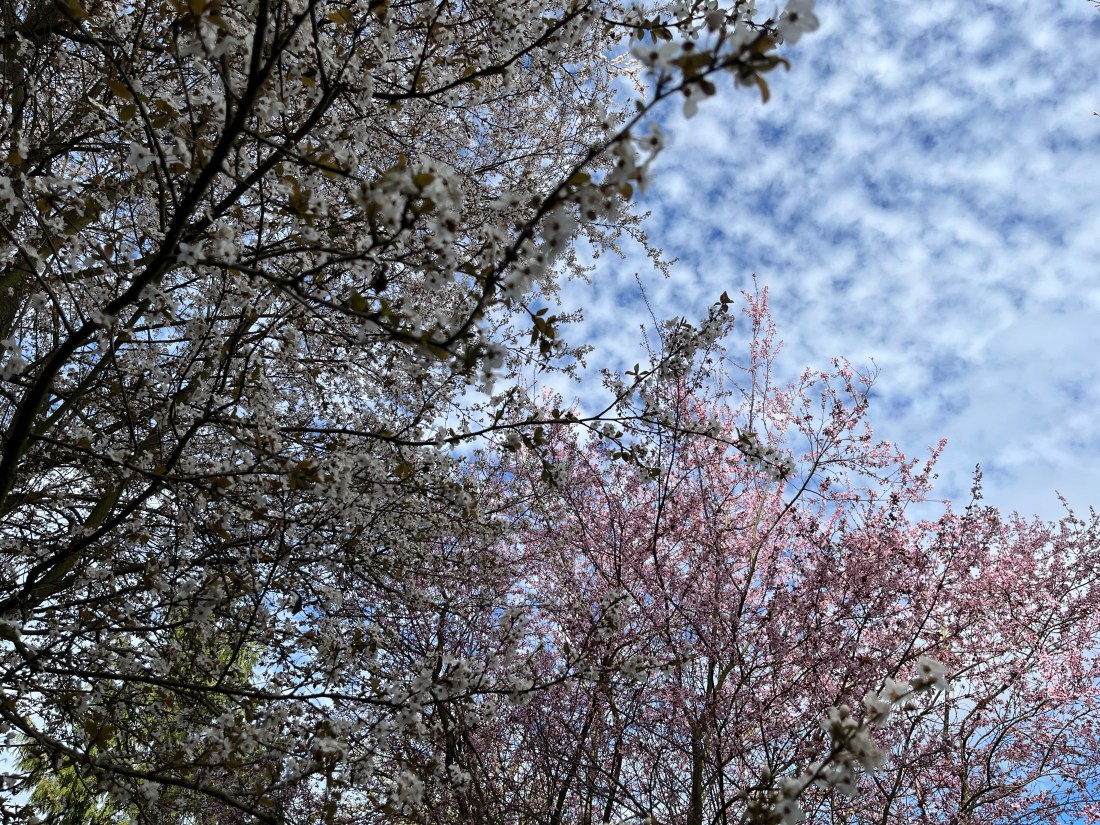
I am reposting this Japanese “waka” poem just for fun. The weather has been pleasant lately, and the plum trees in our yard are in full bloom. I took the photo above yesterday.

JapaneseRomanizationTranslation
東風吹かばKochi fukabaWhen the east wind blows,
にほひをこせよNioi okose yolet it send your fragrance,
梅の花Ume no hanaoh plum blossoms.
主なしとてAruji nashi toteAlthough your master is gone,
春を忘るなHaru o wasuru nado not forget the spring.
Sugawara no Michizané (845 – 903)

Lately, I have re-reading an old book about the life of Sugawara no Michizane. He is a fascinating figure in early Japanese history, and probably will post some interesting historical bits here in the coming days.

Until then I hope, dear readers, that you are all safe and well, and have a chance to enjoy the mild weather too. 😄

Ohanami, Ohisashiburi

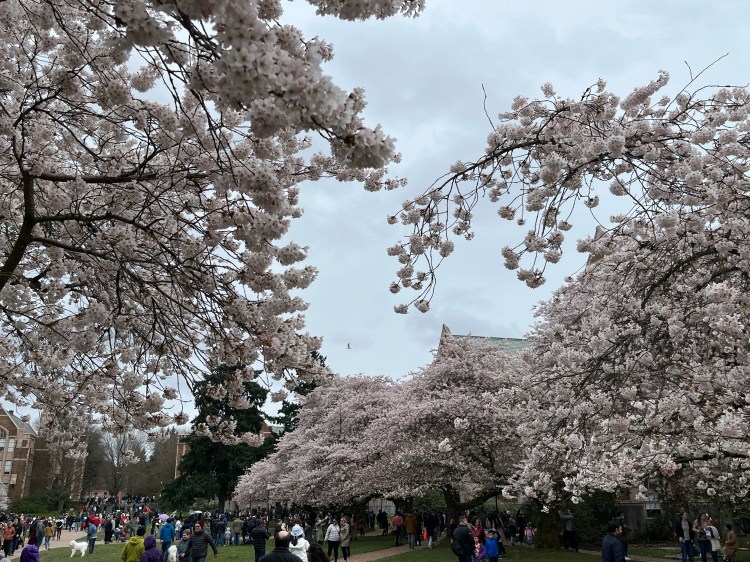
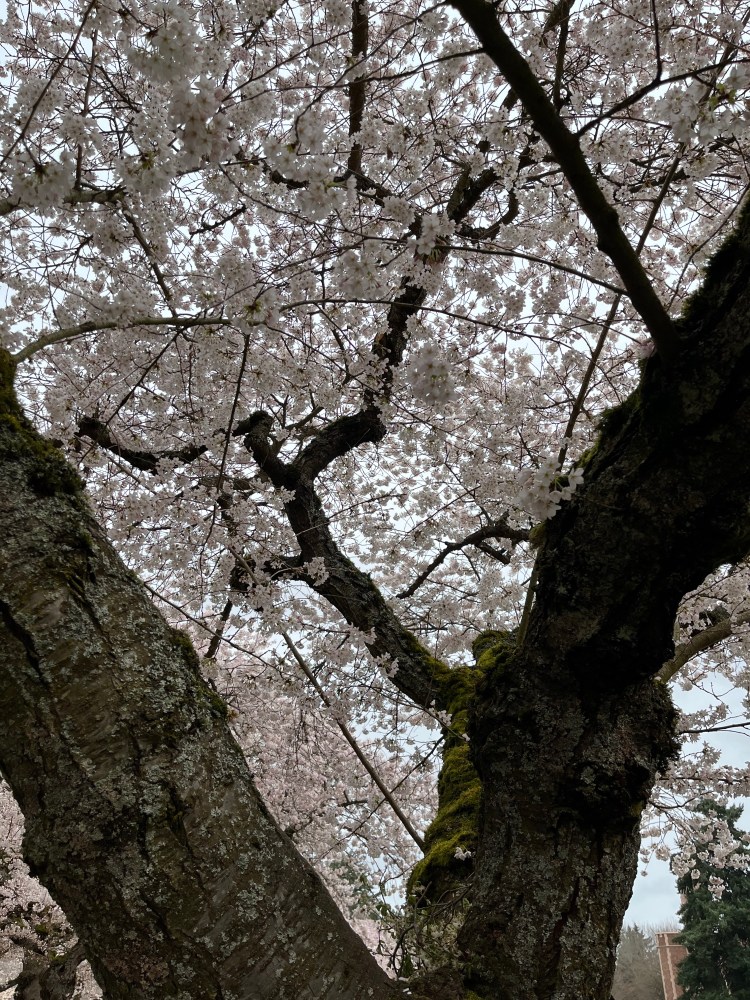
For the first time in 3 years, since before the pandemic started, we visited my alma mater and saw the cherry blossom trees there!

The Japanese phrase ohisashiburi (お久しぶり) is a stock phrase you often hear in Japanese meaning “long time no see!”, and that was the feeling we had when we visited the trees. Prior to pandemic, we came to view the cherry blossoms every year in a Japanese tradition called ohanami (お花見). I have photos going all the way back when my daughter, now in high school, was just a little girl sitting on my shoulders, reaching up to the cherry trees. In Japanese, these are called sakura (桜). 🌸

As mentioned in a past post, you can spot the difference between plum blossoms and sakura cherry blossoms if you look at the petal shape.

In Japan, especially places like Ueno Park in Tokyo, Ohanami is a big outing. You might go with your coworkers in a big work event, and if you’re the new guy you get stuck trying to reserve a spot to lay out a picnic blanket, organize food, etc. Or, you might go with friends and family, but again trying to get an open spot on the ground for a picnic blanket would not be easy. Of course, many youngsters like to get a little tipsy too while enjoying the nice weather and cherry blossoms.

My family and I have done a few picnics under our cherry trees, but this year we are still being a bit cautious around crowds, plus the weather was still lousy, so we didn’t stay too long. But we did manage to pick up some good Chinese dim sum, bubble tea, and enjoy the rest of the day.

Cherry blossoms come and go, but if that doesn’t make you appreciate the impermanence of life, and to savor it, I don’t know what does.

Footsteps in the Snow: A Poem By Lady Izumi

For my birthday, I picked up a great book on poetry by the 12th century lady-in-waiting, Lady Izumi: The Ink Dark Moon: Love Poems by Onono Komachi and Izumi Shikibu by Jane Hirshfield and Mariko Aratani. Her name in Japanese is izumi shikibu (和泉式部) by the way. Lady Izumi’s life has been an interest of mine, and I was happy to find good quality translation of her works.1 The book has a collection of her poems spanning various topics, including this one for winter:

JapaneseRomanizaitonEnglish
待つ人のMatsu hito noIf the one I’ve waited for
今も来たらばima mo kitara bacame now, what should I do?
いかがせむikaga senThis morning’s garden filled with snow
踏ままく惜しきfumamaku oshikiis far too lovely
庭の雪かなniwa no yuki ka nafor footsteps to mar.
trans. by Hirshfield and Aratani

Because the old Heian Period aristocracy was such a closed society, and the public scrutinized everything you said and did, romantic meetings often took at night, and only after careful arrangement. Lady Izumi, according to the translators, was likely stood up for some reason after waiting all night, but she tries to take it in stride with this poem.

1 The best part about the book is that each poem comes with the original Japanese at the end of the book, so you can recite it as is, or look it up in Japanese.

Li Bai and the Moon

Courtesy of Wikipedia

In light of the Autumn Moon Festival, I happened to find this Twitter post I wanted to share with readers:

Li Bai was one of the most famous poets of the Tang Dynasty in China, and was widely admired by other poets in antiquity just as he is now. Enjoy!

Fall Is Here!

This season is in the old Japanese calendar is known as hakuro (白露) or “white dew” due to increasing cool humidity in the mornings.1 The days are getting mild again, and the family and I had a terrific Labor Day weekend.

Something to share for today, a poem from the Hyakunin Isshu anthology. This is the first poem of the anthology, and the only one to really cover the life of the peasantry, but it also does a nice job capturing that early autumn mood.

JapaneseRomanizationEnglish
秋の田のAki no ta noIn the autumn fields
かりほの庵のKariho no io nothe hut, the temporary hut,
苫のあらみToma no aramiits thatch is rough
わが衣出はWaga koromo de waand so the sleeves of my robe
露にふりつつTsuyu ni furitsutsuare dampened night by night with dew.
Translation by Joshua Mostow, more explanation of this poem here.

The theme of “dew” appears over and over again in Japanese literature and poetry, and even appears in kimono patterns for fall, known as tsuyu-shiba (露芝). You can see an example of it here.

1 Related post. The traditional calendar was subdivided into many smaller periods each covering the seasons, weather and so on. Because the lunar calendar is prone to moving around, the dates didn’t always reflect the actual weather, but it still captured the sense of progression from season to season, plus it’s very poetic.

The Tragedy of Lady Izumi

1765 painting by Komatsuken, Public domain, via Wikimedia Commons

The twilight years of the Heian Period of Japan (late 12th century) mark the high-point of the refined Imperial Court, its aristocracy and their literary culture. Poetry at this time, epitomized by the Hyakunin Isshu, was a popular past-time and frequent means of corresponding between men and women (often on the sly). A person’s career or reputation could be made or broken by a skillful, or clumsy, poem. Many of the ladies-in-waiting serving the court aristocracy would also go on to become famous writers in Japanese literature:

  • Lady Murasaki (Japanese: murasaki-shikibu 紫式部) – who wrote the first Japanese novel, the Tales of Genji, and her own diary is a fascinating read. She is part of the social circle around Empress Shōshi. She is also known for poem 57 in the Hyakunin Isshu anthology.
  • Sei Shonagon – who wrote the Pillow Book, a free-form thought about the minutia of Heian Period society. Sei Shonagon was part of a rival social circle centered around Empress Teishi. She is known for poem 62 in the Hyakunin Isshu.
  • Akazome Emon – another accomplished poet in the same social circle as Lady Murasaki. She composed poem 59 of the Hyakunin Isshu among her many other accomplishments.

And finally we come to perhaps the most the most controversial, and yet one of the most brilliant ladies among this generation of ladies-in-waiting turned writers: Lady Izumi. In Japanese she is called Izumi Shikibu (和泉式部).

Like all women at the time, her real name is not known. She is named after her husband’s region of administration (Izumi province), and her father’s role in the Imperial court as master of ceremonies (shikibu 式部). Lady Izumi was born into the elite aristocracy in Heian society of the time, but she distinguished herself both with her particular skill in poetry and with her tendency to get involved in scandalous relationships.

While unhappily married to her husband, Tachibana no Michisada, she had an affair with Prince Tametaka, the third son of Emperor Reizei, which caused her to be divorced and shunned by her family. Her ex-husband also took custody of their only child, a daughter named Koshikibu no Naishi (poem 60 in the Hyakunin Isshu). However, before long her lover Prince Tametaka died due to illness.

Later, Prince Tametaka’s brother Prince Atsumichi approached Lady Izumi and a romantic relationship began. Lady Izumi’s “Diary of Lady Izumi” (izumi shikibu nikki 和泉式部日記) covers this period of time, and their correspondences to one another. For example, she composed the following as a reply to Prince Atsumichi:

JapaneseRomanizationEnglish
薫る香にKaoru ka niRather than recall
よそふるよりはyoso uru yori wain these [tachibana] flowers
ほととぎすhototogisuthe fragrance of the past,
聞かばや同じkikaba ya onajiI would like to hear this nightingale’s voice,
声やしたるとkoe yashitaru toto know if his song is as sweet.
Translation by Jane Hirshfield and Mariko Aratani in The Ink Dark Moon: Love Poems by Onono Komachi and Izumi Shikibu, Women of the Ancient Court of Japan

She also left behind many romantic poems such as this one (undated, so it’s unclear who he is), which I was surprised to see quoted in the drama Thirteen Lords of the Shogun:

JapaneseRomanizationEnglish
黒髪のKuro kami noMy black hair’s
乱れても知らずmidarete shirazuin disarray — uncaring
うち臥せばuchi fusebahe lay down, and
まづかきやりしmazu kakiyarishifirst, gently smoothed it:
人ぞ恋しきhito zo koishikimy darling love.
Source: http://www.wakapoetry.net/gsis-xiii-755/

Since she was divorced anyway, she moved in with the Prince and her relationship with Prince Atsumichi was an open scandal for the Court. They would often be seen riding his carriage through the capitol. Prince Atsumichi’s wife was furious about the affair, and returned to her family, while public criticism of the couple became increasingly harsh and unavoidable.

In the end, Prince Atsumichi, like his brother, died from illness at the age of 27. Lazy Izumi was once again heartbroken.

By this point, Lady Izumi had few options, and no support from her family, so she was taken in as a lady in waiting for Empress Shoshi,1 where she served alongside another notable ladies Akazome Emon and Lady Murasaki. Empress Shoshi’s father, the ambitious Fujiwara no Michinaga, wanted to gather as much talent under his household as he could. However, Lady Murasaki didn’t think too highly of her:

Izumi Shikibu is an amusing letter-writer; but there is something not very satisfactory about her. She has a gift for dashing off informal compositions in a careless running-hand; but in poetry she needs either an interesting subject or some classic model to imitate. Indeed it does not seem to me that in herself she is really a poet at all.

— trans. Waley, “Diary of Lady Murasaki”

Later, Lady Izumi married Fujiwara no Yasumasa and moved to the provinces, and she was reunited with her only daughter (now in her 20’s). Tragedy struck yet again as her daughter died soon after the reunion, leaving behind two children of her own. Lady Izumi was devastated by this loss, but thinking of her grandchildren, she wrote:

JapaneseRomanizationEnglish
留め置きてtodome okiteLeft behind [grandmother and grandchildren]
誰をあはれとtare wo aware towhose loss do you
思ひけんomoi kenthink is more pitiful?
子はまさるらんko wa masaruranThe children’s loss is worse
子はまさりけりko wa masarikeriIndeed, the children’s loss is worse.
Rough translation by me, please take it with a grain of salt

By this point, she devoted herself to the Buddhist path as a lay nun named Seishin Insei Hōni (誠心院専意法尼). One of her last poems she composed, poem 56 in the Hyakunin Isshu, is:

JapaneseRomanizationEnglish
あらざらむArazaranAmong my memories
この世の外のKono yo no hoka noof this world, from whence
思ひ出にOmoide niI will soon be gone,
今ひとたびのIma hitotabi nooh, how I wish there was
逢ふこともがなAu koto mo ganaone more meeting, now, with you!
Translation by Joshua Mostow

This poem, based on Japanese commentaries I’ve read, wasn’t meant to be a simple chat, she was likely missing someone she was still intimately involved with, though it’s unclear who.

Lady Izumi is a fascinating figure to me. She was obviously quite attractive. In a very closed, and high-scrutinized society as the Heian-era court aristocracy, multiple men of very high rank risked considerable scandal just to be with her. In layman’s terms, men of the time thought she was really hot.

Even today, she is the subject of many romantic manga (Japanese comics) written for young women in Japan:

The comic 恋ひうた (koi uta, “Love song”) by Ebira Hiromi (江平洋巳)
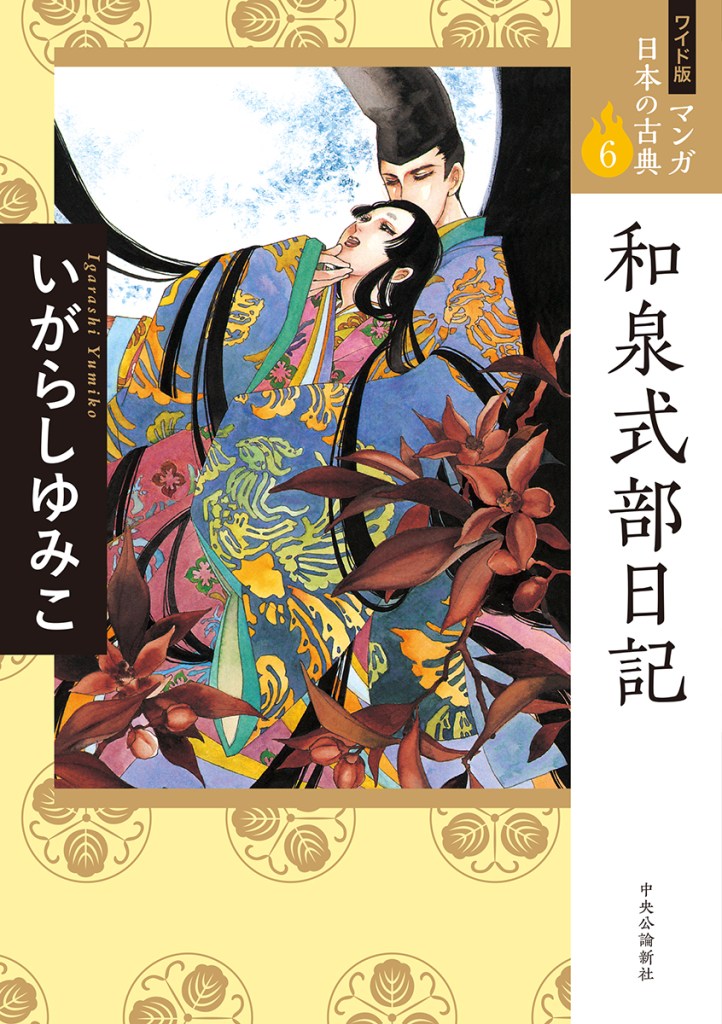
The Diary of Lady Izumi (izumi shikibu nikki 和泉式部日記) by Igarashi Yumiko
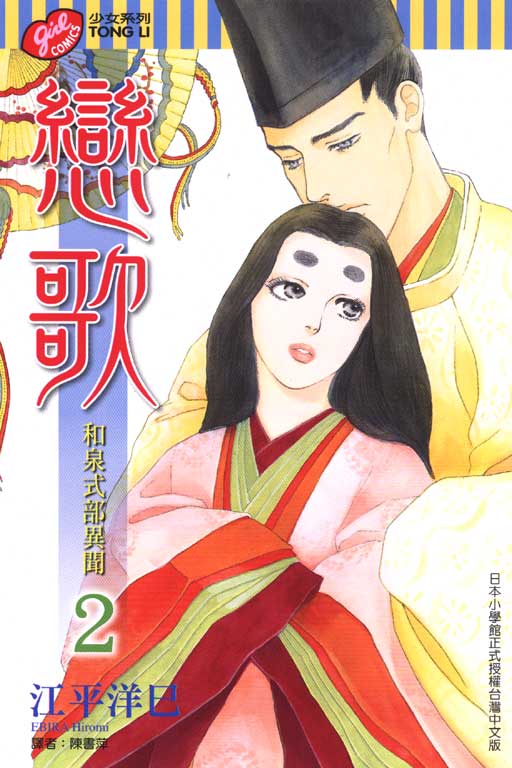
A Chinese-language edition of “Love Song” by Ebira Hiromi

As well as stories about her life:

But Lady Izumi was also more than a femme fatale. She was obviously quick-witted, had many poetic talents, plus she was a loving mother (and grandmother), and a devout Buddhist who suffered many losses in her life. To me, she epitomized the bittersweet life of being a woman in Heian Period aristocratic society.

1 As Empress Shoshi was the second wife of Emperor Ichijō and a pawn in the power-struggles between two rival branches of the Fujiwara clan (the other faction tied to Emperor Ichijo’s first wife Empress Teishi), this was not a great position to be in, at least until Empress Shoshi successfully gave birth to a son.

Moonlight: A Buddhist Poem

Photo by Aleksandar Pasaric on Pexels.com

The founder of the Jodo-Shu sect of Buddhism, a 12th-century Buddhist monk named Honen, once composed a poem titled tsukikagé (月かげ, “Moonlight”). What follows is a rough translation on my part:

JapaneseRomanizationTranslation
月かげのTsuki-kagé-noThere is no village
いたらぬ里はItaranu sato wathat the light of moon
なけれどもNakeredomodoes not shine,
眺むる人のNagamuru hito nobut it dwells in the hearts
心にぞすむKokoro ni zosumuof those who see it.

The “light of the moon” here is meant to symbolize the light of the Buddha, namely Amida Buddha. Light is a common motif in Buddhist art, depicting both wisdom to banish away the darkness of ignorance, and also goodwill to all living beings.

Amida Buddha and his attendant bodhisattvas welcoming Chūjōhime, Taima Temple Mandala,
University of Michigan Museum of Art, Artist Unknown, Japan, Public domain, via Wikimedia Commons

The idea is that Amida Buddha’s light shines upon all beings and all places, as explained in the Buddhist text, the Sutra of the Buddha of Immeasurable Life:

“The radiant light of the Buddha of Immeasurable Life is dazzling brilliant, illuminating all the buddha lands of the ten directions, and there is nowhere it is not heard of.”

From The Three Pure Land Sutras published by the Jodo Shu Research Institute, translation by Karen J. Mack

Further, the sutra explains in the previous section:

“Those sentient beings who encounter this light will have the three hindrances1 eliminated, become amenable in body and mind, leap with joy and their hearts will give rise to good. Should they suffer hardship in the three realms of defilement,2 when they see this radiant light, they will all attain relief and not again suffer this pain.”

Thus, the light of Amida Buddha shines everywhere, but people may not necessarily know it. Those who do encounter the light experience a transformation within. It may not be obvious at first, but it as one of Honen’s disciples once taught, it melts ice to become warm water.

Thus, Honen’s poem is about how Amida’s goodwill and wisdom reaches out to all beings and all places, and even if people do not see it, it is still there. Further, those who do see it are changed by it, even if they are not aware of it at first.

Namu Amida Butsu

1 The three hindrances in Buddhism are greed, hatred and ignorance.

2 The three realms of defilement is another term for lower states of rebirth that one might fall into: animals, hungry ghosts, and the hell realms.