As I continue watching a Japanese historical drama, the Thirteen Lords of Kamakura, I have been delving more into the history of the Kamakura Period (12th – 14th century) of Japan, under the new military government. I know this era a lot less than I do the Heian Period, but while it is different, it is no less interesting.
The Shogunate of Kamakura, while nominally ruled by Minamoto no Yoritomo and his descendants, was actually controlled by their close allies, the Hojo (北条) clan, the same folks who gave us the Triforce symbol. Yoritomo was almost as bad as his dead rival, Taira no Kiyomori, and wasn’t above killing his various brothers and half-brothers who were potential rivals for the coveted title of Seii Shōgun (征夷将軍, generalissimo of Japan). The dynamic warlord, Minamoto no Yoshitsune (younger half-brother to Yoritomo) was killed shortly after earning the title from the Emperor, allowing Yoritomo to get the title himself by default.
In any case, for all of Yoritomo’s titles and power, he was less effective as a ruler, and the Hojo clan filled in this crucial role as regents and other administrative roles. The most important of these was in fact, Yoritomo’s wife, Hojo Masako. When Yoritomo died from illness a few years later, it was Hojo Masako, who by now took tonsure as a Buddhist nun, who filled in the role at a crucial time in Japan and kept things together. So effective was she at ruling Japan, that she earned the title ama shōgun (尼将軍), or “Nun Shogun” / “Nun Warlord” and so on.
Hojo Masako spying on one of her husband’s love trysts, painting by Utagawa Kuniyoshi (1840’s) courtesy of Wikimedia Commons.
In many ways, Hojo Masako fulfills a similar role to that of Empress Irene of the Byzantines: someone who has excellent leadership skills, but is prevented from openly leading armies by paternalistic society, so she played the role of a pious wife (later widow), while carefully pulling the strings.
As the wife of Minamoto no Yoritomo, she had to protect her family and descendants from Minamoto no Yoritomo’s constant philandering, but once he was gone, she stepped in to guide the Regency while her son and second shogun grew up. The Hojo clan regency was the true force behind the Shogunate, but as her son was now a member of that clan, she also wanted to ensure that lineage was safe from rival claimants. She is portrayed as crafty, but level-headed and responsible in contrast to her moody, and reckless husband.
So, what did Hojo Masako do that earned her such a prestigious title? When Minamoto no Yoritomo had prevailed over the Heike (Taira) Clan, he was the dominant power, but the title of Seii Shōgun wasn’t given willingly by the Emperor. In fact, the Emperor’s grandson, later Emperor Gotoba, would make one last effort to wrest true political authority. He rallied a large number of samurai clans, primarily from the West, away from the new capitol of Kamakura, with promises of titles and land.
The samurai clans allied to Minamoto no Yoritomo wavered in support. Going against the Emperor was never part of the deal, they rallied to stop the Heike Clan only, and they were hesitant to take up arms against their sovereign.
Hojo Masako, according to the Azuma Kagami, was said to have made the following speech:
“Since the days when Yoritomo, the late Captain of the Right, put down the court’s enemies and founded the Kantō regime, the obligations you have incurred for offices, ranks, emoluments, and stipends have in their sum become higher than mountains and deeper than the sea. You must, I am sure, be eager to repay them. Because of the slander of traitors, an unrighteous imperial order has now been issued.
Those of you who value your reputations will wish to kill [Fujiwara no] Hideyasu, [Miura] Taneyoshi, and the others at once in order to secure the patrimony of the three generations of shoguns. If any of you wish to join the ex-emperor, speak out.”
It is said that this put some backbone in the Shogun’s allies and they were able to crush Emperor Gotoba’s army, finally ending resistance from Kyoto. Later she was dispatched by her brother the regent to try and heal the political divide with Emperor Gotoba, among other important tasks. By the time she passed away, she attained the rank of Second Junior in the Imperial Court (still around, but largely ceremonial now), which is very high for someone of a more humble, warrior-class family.
Schoolchildren in Japan often learn about Hojo Masako when they learn Japanese history, including the famous phrase 山よりも高く、海よりも深い from the speech above: yama yori mo takaku, umi yori mo fukai (“[kindness is] higher than a mountain, and deeper than an ocean”). She was dynamic, intelligent, and charismatic leader who held together a fragile alliance of clans in a force that could resist Imperial power, and maintain a dynasty that lasted for 200 years.
As I wrote about recently, the end of the Heian Period in Japan (8th century to 12th century) represented a seismic shift in Japanese culture from a cultured aristocracy to a military society led by the samurai class. This finally stabilized Japan from decades of strife, but there was also a palpable sense of loss reflected in such works as the Hojoki (Ten Foot Hut) and other works of the time.
One of my favorite, and the best known from this era is a work called the Tsure-zure-gusa (徒然草) which is hard to translate in English.1 The most accepted translation of the title is “Essays in Idleness”, but this not the only one. It’s a classic that every kid in Japan studies in school, just as American kids might read Ivanhoe or something.2
A depiction of Kenkō, drawn centuries later by Kikuchi Yōsai. Courtesy of Wikipedia Commons.
The Tsure-zure-gusa was written by a Buddhist monk of the Jodo-shu sect named Yoshida Kenkō (吉田兼好, 1283?–1350?). The text was composed between 1330 and 1332, and is a form of free-form writing. Kenko would just write down what he was thinking. Sometimes it was old anecdotes, or stories he had heard. At other times, he wrote deeper thoughts about life. Sometimes, he would just point out social faux-pas committed by others. There is no overarching messages in the text, but it covers many aspects of life, so it’s a fascinating look at Japan during the Kamakura Period (12th-14th century) as well as food for thought.
For example, here’s a commentary on fish:
119) The fish called katsuo is unequaled among those caught in the sea off Kamakura, and of late has been much in demand. An old gentleman of Kamakura told me, “When we were young, this fish was never served to persons of quality. Even the servants refused to eat the head. They cut it off and threw it away. It is typical of these degenerate times that such fish have become accepted.
Translation by Donald Keene
Interestingly, katsuo (known in English as bonito) is pretty universal in Japanese cuisine now as it is the most common ingredient of dashi (fish broth), as well as numerous dishes.
Another amusing example:
57) It is exasperating when discussions of poetry are devoted to bad poems. How, one wonders, could anyone with the smallest knowledge of the art have supposed such verses were worthy of discussion?
Even to an outsider, it is both embarrassing and painful to listen to someone discuss a subject — whatever it may be — that he doesn’t really know.
Translation by Donald Keene
One can imagine a bad TED Talk the same way too.
The text is at times surprisingly relevant to people living in the 21st century, though:
29) When I sit down in quiet meditation, the one emotion hardest to fight against is a longing in all things for the past. After the others have gone to bed, I pass the time on a long autumn’s night by putting in order whatever belongings are at hand. As I tear up old correspondence I should prefer not to leave behind, I sometimes find among them samples of calligraphy of a friend who has died, or pictures he drew for his own amusement, and I feel exactly as I did at the time. Even with letters written by friends who are still alive I try, when it has been long since we met, to remember the circumstances, the year. What a moving experience that is! It is sad to think that a man’s familiar possessions, indifferent to his death, should remain unaltered long after he is gone.
Translation by Donald Keene
It’s a pretty moving book to read, with all its random quips, reflections on an age now gone, plus deeper thoughts. The Donald Keene copy is hard to find now, but I have seen other good translations too, so don’t hesitate to pick one up if you can find it.
1 The phrase つれづれ (徒然 tsure-zure), pronounced as “tsoo-ray zoo-ray”, often appears in modern blogs or diaries as well in Japanese as a kind of introduction.
2 My wife recalls learning it, but just as reading Shakespeare without some guidance is hard for English speakers, reading the Tsure-zure-gusa to a native Japanese speaker is difficult since so many centuries have passed and the language has changed.
One historical period that has continuously fascinated me for a long time is the end of the Heian Period in Japan, culminating in the climactic war between the Heike (Taira) Clan and the Genji (Minamoto) Clan, followed by the rise of military government for the next 800+ years.
“How did you go bankrupt?” Bill asked.
“Two ways,” Mike said. “Gradually and then suddenly.”
The Sun Also Rises by Ernest Hemingway
Why does this matter?
As the quote above suggests, the fall of the Heian Period and of the Imperial aristocracy, built around a Chinese-inspired Confucian bureaucracy, came slow, then suddenly when the lower samurai class rose and and asserted power. Let’s compare the before and after:
The Heian Period (平安時代, 794 – 1185) of Japanese was a long, 400-year period, that began when the Imperial capitol moved to the new city of Heian-kyō (modern day Kyoto) away from Heijō-kyō (modern day Nara). The Imperial government had been plagued with infighting and manipulation by powerful temples in Heiji-kyo, so the Emperor decided to make a clean start and migrate the capitol.
But the earlier Nara Period and the Heian Period represent a single continuum of life in Japan where the Emperor ruled in a Chinese-Confucian style bureaucracy with Japanese characteristics. The Imperial bureaucracy was run by a large number of literate officials either through Entrance Exams that tested your knowledge of the Confucian Classics, and aspects of Chinese history, or through connections if you were nobility.
Speaking of nobility, everyone in the Court, from the lowliest bureaucrat, to the Emperor had an official rank. This was part of the old Ritsuryō system. The Emperor was automatically 1st rank upper (正一位, shō ichi-i), while just below him someone might be 1st rank lower (従一位, ju ichi-i), then 2nd rank upper (正二位, shō ni-i), and so on until you get to the lowly paper-pushing bureaucrat at 少初位下 (shō so-i no ge) rank. Each year, the Emperor would approve promotions or demotions of rank, which would be annouced, so for doing some good work, you might be promoted one year, and your stipend increased, as well as other perks. However, there was a catch. If you were born to a venerable noble family such as the Fujiwara, Ōe or Tachibana, you were automatically 5th rank or higher. If you were not, it was almost impossible to attain anything above 7th rank. Sugawara no Michizane was a rare exception, but he paid for it when court treachery got him exiled.
Thus, the aristocracy held a grip on the Imperial court, but it didn’t stop there. The aristocracy held increasingly large tracts of land called shōen (荘園) that were tax-exempt due to a loop-hole in the system. The wealth of the aristocratic families grew larger and larger while the state became increasingly bankrupt.
Further, as the Heian Period went on, the aristocracy figured out how to manipulate power even further by arranging marriages with the reigning Emperor, and if they had a son, pressure the reigning Emperor to abdicate, so the ambitious family could control the Imperial heir as a regent. Case in point, during the 990’s two different branches of the Fujiwara clan were struggling for control, on led by Fujiwara no Michitaka and the other by Fujiwara no Michinaga. Both them had daughters wed to reigning emperor Ichijō, who had multiple sons. Initially, next reigning emperor was his son Emperor Sanjō who had not been born from a Fujiwara mother, but he was soon pressured to abdicate by Fujiwara no Michinaga, thus allowing Michinaga’s grandson and Ichijo’s other son to become emperor Go-Ichijō (i.e. “Ichijō the latter”) to reign.
Things got even nuttier when certain emperors, forced to abdicate and take tonsure as Buddhist monks, figured out how to retain power behind the scenes at odds with the nobility. The most well known example was Emperor Go-shirakawa who only reigned officially as emperor for three years, but retained power as the “cloistered emperor” for another 37 years.
None of this takes into the account the growing power and political manipulation of Buddhist temples, and their armies of soldiers, an open violation of the Buddhist principle to abstain from politics and violence.
Thus with such a toxic mix of competing power centers, a crippled central government, to say nothing of the earthquakes, plagues and political neglect of the provinces.
… and then it finally started to fall apart.
The Fall
The battle of Dan-no-ura, courtesy of Wikipedia
The fall of the Heian Period and its aristocratic society started with a power struggle between the upstart Taira and Minamoto clans. Like many other samurai families, they began as little more than escorts and bodyguards to the nobility, but in time they rose to positions of power and influence, filling in the gaps of government when emperors pushed the Fujiwara back.
This culminated with the dreaded Taira no Kiyomori seizing power in all but name. This grandson, the child Emperor Antoku, technically reigned, but behind the scenes Emperor Go-Shirakawa mentioned above still held to some power, but was effectively a hostage himself. The Minamoto clan were scattered and its clan head was executed for formenting a rebellion.
Kiyomori’s grip on power didn’t last long, and wasn’t long before the his enemies in the provinces began to rally around Minamoto no Yoritomo who led a successful counterattack that resulted in a war across most of Japan, with the Taira (e.g. the “Heike clan”) mostly dominating the west and the Minamoto (e.g. the “Genji”) ruling in the eastern provinces. The current TV drama in Japan, the Thirteen Lords of Kamakura, reenacts this struggle, and the aftermath.
The Taira, including the child emperor Antoku, were wiped out at the battle of Dan-no-ura, but the battles didn’t end there. The genie was out of the bottle, and there was no going back. Minamoto no Yoritomo then seized power by compelling to emperor to recognize him as Shōgun, the generallisimo of all Japan, and he went after rivals within the Minamoto clan including the famous warrior and half-brother, Minamoto no Yoshitsune. He based his regime in the eastern city of Kamakura, not Kyoto, thus drawing power away from the old Imperial court. Emperor Go-shirakawa’s son, Emperor Go-toba, attempted one last military effort to restore the power of the Imperial court in the Jōkyū War, but the samurai class centered around Yoritomo’s widow, the powerful Hojo Masako, and Go-toba’s efforts were doomed. He was exiled until his death.
Ironically, Minamoto no Yoritomo would end his life as little more than a figurehead himself as the Hojo family he married into (ironically a branch of the Taira he defeated) manipulated marriages and increasingly held power.
In the end, the new “Kamakura Period” of history was the first of several military regimes in Japan until 1868 (arguably 1945) where the Imperial court still held nominal power, but true power rested with the military class. The old Confucian-style bureaucracy still existed, people including power warlords still held rank in the Court, but it was a shadow of its former power, and was mainly used to legitimatize the ruling shogun and little else.
On the Ground
Amitabha Buddha rising over the mountain to welcome the believer to the Pure Land
Reading this history is one thing, but to people on the ground, as one crisis after another affected Japan during the end of the Heian Period both political and physical, it certainly felt like the End Times.
Millenarian Buddhist movements among the provinces sprang up in great number, as people were convinced that the era of Dharma Decline, the era mentioned in Buddhist scriptures when the Buddha-Dharma had utterly faded from the world, had come and that they were all doomed. This is why the Pure Land Buddhist movement started by Honen became so widespread and popular. By this point, people were so convinced that it was all over, they focused on escaping the endless cycle of birth and death to be reborn in the Pure Land of Amitabha Buddha instead. Pure Land Buddhism had been popular before this, but it took on a new sense of urgency under the collapse of the old society. Thus Honen’s disciples, such as Shinran, carried this message further out into the provinces and Pure Land Buddhist movements sprang up everywhere.
Nichiren Buddhism, which came slightly, was a similar millenarian movement, but instead Nichiren blamed society’s ills ironically on the Pure Land movement itself for leading society away from the True Dharma (e.g. the Lotus Sutra). Like many others in society, including Honen a couple generations earlier, Nichiren was appalled by the death, warfare and disasters affecting Japan and felt there had to be a reason for it all.
This may seem odd to us in the 21st century, but for people who grew up that the world around them was governed by the Buddha-Dharma (or lack of it), this is the only conclusion that would make sense. We in our time believe the world is governed by science, so when something happens, we tend to look for a scientific-analytical explanation. When the Byzantines in the 8th century saw their world collapse due to the Plague of Justinian followed by invasions from the new Muslim Arabs, they saw felt that their world that had been governed by God as approaching the End Times too, culminating with the siege of Constantinople itself. Thus, Iconoclasm sprang up soon after.
In each case, people are faced with a cataclysm and are using reason to try to come to grips with what’s going on, and how to fix it. We can look back and laugh and people for their “backward views”, but what will people say about us 1,000 years in the future, I wonder?
The Aftermath
In any case, once the war between the Taira and the Minamoto ended and the capital was moved to Kamakura, life in Japan was simply never the same. Generations had lived with the trauma of last years of the Heian Period, the warfare and so on, and much of the literature of the time including the Hojoki and the Essays in Idleness carry a sense of “paradise lost”. It was over. Everyone knew it, and there would be no going back.
And yet, for all the sadness and sense of loss, Japan did carry on through many subsequent generations to be the country it is today. The court life of the Heian Period is still remembered in things such as the Hyakunin Isshu poetry anthology, doll displays on Girls’ Day, woodblock art, and so on. And of course, historical dramas.
P.S. A scene from the Illustrated scroll of Tale of Genji (11th cent.), depicting the Azuma-ya (“East Wing”). Imperial court in Kyoto, Public domain, via Wikimedia Commons
Life in Japan was especially hard during the last half of the twelfth century to the first half of the thirteenth. The historical transition from the aristocratic Heian Period to the militaristic Kamakura Period was a time of tremendous political upheaval, nationwide warfare between the Heike and Genji samurai clans, and finally good ol’ fashioned plagues, famines and natural disasters. In time, Japan did rebuild, and life moved on, but within a couple generations a great deal in Japan had changed.
It was under this backdrop that a man named Kamo no Chōmei (鴨長明, 1155-1216), a former poet of the Imperial court turned Buddhist renunciant, composed a small work in 1212 around the age of 60 detailing the dramatic and painful changes in society, and his subsequent self-imposed hermitage in a tiny hut titled the Hōjōki (方丈記). The term hōjō (方丈) is a unit of measure meaning 10 square shaku which is very close to 10 square feet, and “ki” (記) just means a record of something. So, it’s reasonable to translate this as “A Record of [my] Ten Square Foot Hut”.
The inspiration for the hut, which was in the hills southeast of Kyoto (photos here), was from the legendary Buddhist figure Vimalakirti who practiced the Buddhist path from a similar hut in India.
Kamo no Chōmei spends much time in the Hojoki explaining the numerous disasters and tragic tales that befell the capital, Heian-Kyo (now modern Kyoto) during the 1180’s (the Yōwa era), and the social upheaval of the time. For this blog post, I am using Dr Meredith McKinney’s translation from the the book Three Japanese Buddhist Monks, published by Penguin Random House.
All this drove people throughout the provinces to leave their land and migrate elsewhere, or desert their homes and simply take to the hills. Various prayers to the gods were instigated and fervent Buddhist ceremonies performed at the palace, but to no avail….People [in the capital] were driven to offer all their treasured possessions to buyers for a song, but no one would so much as glance at them. And if any exchange did happen to be made, money meant almost nothing, while grain was everything. Beggars crowded the roadsides, and the sound of wailing filled the ears.
Pages 9-10
Kamo no Chōmei then continues on with a series of disasters that came after: a pandemic, scarcity of basic goods, an earthquake, and so on. Starvation and illness were rampant, and Kamo no Chōmei saw many heart-breaking sights:
….In their sympathy for one another they [husband or wife] would put themselves second, and give their partner any rare morsel that came their way. So also, if parent and child lived together the parent was always the first to die.; a baby would like suckling, unaware that its mother was dead.
Page 11
He summarizes all this with the words:
Yes, take it for all in all, this world is a hard place to live, and both we and our dwellings are fragile and impermanent, as these events reveal.
Page 13
Then, the Hojoki shifts gears, and Kamo no Chōmei discusses his own failed career in the Court bureaucracy, and eventual hermitage.
All told, I spent some thirty troubled years withstanding the vagaries of this world. At each new setback, I understood afresh how wretched my luck is. And so, in the spring of my fiftieth year, I came to leave my home and take tonsure, and turned my back on the world. I had never had a wife and children, so there were no close ties that were difficult to break. I had no rank [in the imperial court] and salary to forgo. What was there to hold me to the world? I made my bed among the clouds of Ōhara’s mountains…
page 15
He describes his hut in detail, discussing the garden, water system, farming he does to make ends meet, and his relations with a father and son living nearby. He talks about his small Buddhist altar, and his devotion to Amitabha Buddha, with whom he hopes to be reborn in the Pure Land after death.
Finally, he reminisces about the capital and how much things have changed:
When news of the capital happens to come my way, I learn of many people in high places who have met their end since I retired to this mountain, and other lesser folk besides, too many to be told. And how many houses too, have been lost in all those fires? In all this, my mere passing shelter has remained tranquil and safe from fears.
page 19
and contrasts it with his own life:
I love my tiny hut, my lonely dwelling. When I chance to go down to the capital, I am ashamed of my lowly beggar status, but once back here again I pity those who chase after sordid rewards of the world.
page 21
In the final page though, he begins to doubt his own progress along the Buddhist path due to his attachment to his quiet life and hut, and whether he’s simply traded one set of delusions and attachments for another. To this he ends the text with these words:
When I confront my heart thus, it cannot reply. At most, this mortal tongue can only end in three faltering invocations [the nembutsu] of the holy, unapproachable name of Amida.
page 22
Throughout the Hojoki, there is a strong sense of Buddhist impermanence, things coming and going, the pointlessness of attaining ephemeral benefits in this world, the empty decadence, and bittersweet nostalgia for the good old days in the Capital (Kyoto) before the war. Anyone who’s read The Great Gatsby might appreciate a common thread between the two books, even if separated by almost 1,000 years and totally different cultures.
I highly recommend anyone reading the Hojoki if they have an hour or two to spend. This is a good online translation in particular, but I also think Meredith McKinney’s is also excellent and worth picking up. The Hojoki is short, about 20 pages in a modern book, but a fascinating look at the last days of the historical “Heian Period” of Japan, the passing of a golden age in Japan, and life since then. Plus, it is a reminder that the powerful do not last very long anyway. It’s pretty grim at times, somewhat bittersweet in others, but I think there’s something for everyone.
Edit: updated blog post with Meredith McKinney’s translation as I like her style more.
I was cleaning out old photos from my phone’s camera roll, when I realized that I still had photos left over from this post, including a photo of my omamori charm that I got from Enoshima Shrine way back in 2019. Sadly that was my last trip to Japan, and I haven’t been able to return my omamori since.
One thing a careful observer might notice the three triangles at the top. This is probably the most famous family crest (kamon 家紋) in the history of Japan because it’s also the inspiration for the Triforce of the Legend of Zelda series!
An example of the Hojo Family crest on a stone lantern, which I took in 2010 at Ueno Park in Tokyo, Japan. Clearly the Hojo family influence extended beyond the borders of Kamakura.
The Hojo Clan was a powerful clan during the Kamakura Period of Japanese history, and has an interesting history. Originally, the Hojo Clan was an offshoot of the Heike (Taira) Clan, but during the famous Genpei War, they openly sided with the Taira’s enemy, the Genji (Minamoto) Clan after being snubbed by the Heike due to a succession issue. The Genpei War ended with the total destruction of the Heike Clan, and the Genji Clan under Minamono no Yoritomo became the ascendant power. The power of the Emperor and his Court in Kyoto effectively ended and was now in the hands of Genji Clan’s samurai forces, who were based in Kamakura far to the east.
What’s interesting is that while Minamoto no Yoritomo was the clear victor and the first Shogun of the new government in Kamakura, he was surrounded by Hojo Clan allies, and before long married into the family through Hojo Masako. Within a generation, the Kamakura Shogunate was entirely controlled and managed by the Hojo Clan, and the Minamoto clan whom they nominally served was relegated to mere figureheads.
The historical drama (Japanese: 大河ドラマ. taiga dorama), 鎌倉殿の13人 or “The 13 Lords of the [Kamakura] Shogun” is about the struggle for power by several Hojo family members, and their rivals, after the death of Minamoto no Yoritomo. It’s been fun to watch so far.
So, the next time you see the Triforce in a Zelda game, don’t forget the powerful clan that was behind it all.
The twilight years of the Heian Period of Japan (late 12th century) mark the high-point of the refined Imperial Court, its aristocracy and their literary culture. Poetry at this time, epitomized by the Hyakunin Isshu, was a popular past-time and frequent means of corresponding between men and women (often on the sly). A person’s career or reputation could be made or broken by a skillful, or clumsy, poem. Many of the ladies-in-waiting serving the court aristocracy would also go on to become famous writers in Japanese literature:
Lady Murasaki (Japanese: murasaki-shikibu 紫式部) – who wrote the first Japanese novel, the Tales of Genji, and her own diary is a fascinating read. She is part of the social circle around Empress Shōshi. She is also known for poem 57 in the Hyakunin Isshu anthology.
Sei Shonagon – who wrote the Pillow Book, a free-form thought about the minutia of Heian Period society. Sei Shonagon was part of a rival social circle centered around Empress Teishi. She is known for poem 62 in the Hyakunin Isshu.
Akazome Emon – another accomplished poet in the same social circle as Lady Murasaki. She composed poem 59 of the Hyakunin Isshu among her many other accomplishments.
And finally we come to perhaps the most the most controversial, and yet one of the most brilliant ladies among this generation of ladies-in-waiting turned writers: Lady Izumi. In Japanese she is called Izumi Shikibu (和泉式部).
Like all women at the time, her real name is not known. She is named after her husband’s region of administration (Izumi province), and her father’s role in the Imperial court as master of ceremonies (shikibu 式部). Lady Izumi was born into the elite aristocracy in Heian society of the time, but she distinguished herself both with her particular skill in poetry and with her tendency to get involved in scandalous relationships.
While unhappily married to her husband, Tachibana no Michisada, she had an affair with Prince Tametaka, the third son of Emperor Reizei, which caused her to be divorced and shunned by her family. Her ex-husband also took custody of their only child, a daughter named Koshikibu no Naishi (poem 60 in the Hyakunin Isshu). However, before long her lover Prince Tametaka died due to illness.
Later, Prince Tametaka’s brother Prince Atsumichi approached Lady Izumi and a romantic relationship began. Lady Izumi’s “Diary of Lady Izumi” (izumi shikibu nikki 和泉式部日記) covers this period of time, and their correspondences to one another. For example, she composed the following as a reply to Prince Atsumichi:
Japanese
Romanization
English
薫る香に
Kaoru ka ni
Rather than recall
よそふるよりは
yoso uru yori wa
in these [tachibana] flowers
ほととぎす
hototogisu
the fragrance of the past,
聞かばや同じ
kikaba ya onaji
I would like to hear this nightingale’s voice,
声やしたると
koe yashitaru to
to know if his song is as sweet.
Translation by Jane Hirshfield and Mariko Aratani in The Ink Dark Moon: Love Poems by Onono Komachi and Izumi Shikibu, Women of the Ancient Court of Japan
She also left behind many romantic poems such as this one (undated, so it’s unclear who he is), which I was surprised to see quoted in the drama Thirteen Lords of the Shogun:
Since she was divorced anyway, she moved in with the Prince and her relationship with Prince Atsumichi was an open scandal for the Court. They would often be seen riding his carriage through the capitol. Prince Atsumichi’s wife was furious about the affair, and returned to her family, while public criticism of the couple became increasingly harsh and unavoidable.
In the end, Prince Atsumichi, like his brother, died from illness at the age of 27. Lazy Izumi was once again heartbroken.
By this point, Lady Izumi had few options, and no support from her family, so she was taken in as a lady in waiting for Empress Shoshi,1 where she served alongside another notable ladies Akazome Emon and Lady Murasaki. Empress Shoshi’s father, the ambitious Fujiwara no Michinaga, wanted to gather as much talent under his household as he could. However, Lady Murasaki didn’t think too highly of her:
Izumi Shikibu is an amusing letter-writer; but there is something not very satisfactory about her. She has a gift for dashing off informal compositions in a careless running-hand; but in poetry she needs either an interesting subject or some classic model to imitate. Indeed it does not seem to me that in herself she is really a poet at all.
— trans. Waley, “Diary of Lady Murasaki”
Later, Lady Izumi married Fujiwara no Yasumasa and moved to the provinces, and she was reunited with her only daughter (now in her 20’s). Tragedy struck yet again as her daughter died soon after the reunion, leaving behind two children of her own. Lady Izumi was devastated by this loss, but thinking of her grandchildren, she wrote:
Japanese
Romanization
English
留め置きて
todome okite
Left behind [grandmother and grandchildren]
誰をあはれと
tare wo aware to
whose loss do you
思ひけん
omoi ken
think is more pitiful?
子はまさるらん
ko wa masaruran
The children’s loss is worse
子はまさりけり
ko wa masarikeri
Indeed, the children’s loss is worse.
Rough translation by me, please take it with a grain of salt
By this point, she devoted herself to the Buddhist path as a lay nun named Seishin Insei Hōni (誠心院専意法尼). One of her last poems she composed, poem 56 in the Hyakunin Isshu, is:
This poem, based on Japanese commentaries I’ve read, wasn’t meant to be a simple chat, she was likely missing someone she was still intimately involved with, though it’s unclear who.
Lady Izumi is a fascinating figure to me. She was obviously quite attractive. In a very closed, and high-scrutinized society as the Heian-era court aristocracy, multiple men of very high rank risked considerable scandal just to be with her. In layman’s terms, men of the time thought she was really hot.
Even today, she is the subject of many romantic manga (Japanese comics) written for young women in Japan:
The comic 恋ひうた (koi uta, “Love song”) by Ebira Hiromi (江平洋巳)
The Diary of Lady Izumi (izumi shikibu nikki 和泉式部日記) by Igarashi Yumiko
A Chinese-language edition of “Love Song” by Ebira Hiromi
As well as stories about her life:
But Lady Izumi was also more than a femme fatale. She was obviously quick-witted, had many poetic talents, plus she was a loving mother (and grandmother), and a devout Buddhist who suffered many losses in her life. To me, she epitomized the bittersweet life of being a woman in Heian Period aristocratic society.
1 As Empress Shoshi was the second wife of Emperor Ichijō and a pawn in the power-struggles between two rival branches of the Fujiwara clan (the other faction tied to Emperor Ichijo’s first wife Empress Teishi), this was not a great position to be in, at least until Empress Shoshi successfully gave birth to a son.
A medieval scroll depicting the life of Honen. This is the famous scene where Honen preaches the Dharma to a prostitute, who sought his advice, at Murotsu (modern day Hyogo Prefecture) on his way to exile. Courtesy of Wikipedia, originally from a 14th century biography about Honen titled hōnen shōnin e-den (法然上人絵伝, “a pictoral biography of master Honen”)
One of my favorite stories about the life of Honen, the 12th century Buddhist monk who started the Pure Land Buddhist movement in Japan, is from his time of exile in 1207. From the capitol (modern day Kyoto) he and many followers were banished to the hinterlands, a common punishment at the time. In Honen’s case, he was exiled to the island of Shikoku, and while he crossed the channel from the port of Murotsu (室津),1 he was approached by another boat whose passenger was a local prostitute.
The story is recorded in English in Traversing the Pure Land Path among other places, but basically the woman asks Honen how someone like her with such a miserable lifestyle can find salvation in the life to come. Honen replied:
“If you can find another means of livelihood, give this up at once. But if you can’t, or if you are not yet ready to sacrifice your very life for the true way, begin just as you are and call on the sacred name [of Amida Buddha]….”
page 50-51
Later, when Honen was allowed to return back to the capitol, he found out along the way that the woman had taken his advice and devoted herself to the Buddhist path until her death some time shortly after. “Yes, it is just as I expected,” he said.
There are few things I think are worth calling out here. First, Honen was already pretty well known at the time, and in a conservative medieval society, the thought of a famous monk talking to a woman of the night would have been scandalous. Second, Honen didn’t try to shame her. He pointed out that it was a dangerous lifestyle, but if she can’t leave, she can begin her Buddhist path “just as she is”. Finally, the results (if the biography is to be believed) is that in the end she took it seriously and attained great progress.
Even now, 800 years later, I think this idea of “begin just as you are” is one of the most appealing aspects of the Pure Land Buddhist path, especially Jodo Shu Buddhism, and why I still come back to it time and time again after all these years.
Pure Land Buddhism gets a lot of flak sometimes from Western audiences because it doesn’t mesh with our understanding of Buddhism (spoiler alert: 5th century BC India is not the same as 12th century Japan, which is not the same as 21st century America), and while I understand the concerns, I think it’s missing the point.
One of the frustrations I’ve had over and over again, especially with so-called “American Buddhism” or “Western Buddhism” besides its Protestant approach1 to a totally different religious tradition, is its tendency to rely strongly on master-disciple relationships. This means things like finding the right empowerment from such-and-such guru, or finding a good meditation teacher, etc. These put a lot of trust in one individual (some with sketchy backgrounds) and tend to be biased toward those who can afford the time, money and educational background for this sort of “lifestyle”. Newer “modern” traditions can be even more risky because they’re often thinly-disguised cults.
A multilingual sign posted at the front of Chion-in Temple in Kyoto, Japan. A more accurate English translation, in my opinion, reads: “This is a path toward affinity with Chion-in Temple. This is a path to encountering Master Honen, and a path for receiving the Buddha’s teachings. This is a path, where receiving the compassion of the Buddha, young and old, men and woman can live a bright, upright, and affable life. This is a path for those who are weary to find healing, a reverence for life, and sincere joy. This is the path of Compassion.”
In keeping with Honen’s “begin just as you are”, I feel that the Pure Land path, while being a part of East Asian Buddhism for many centuries before Honen, still has an enduring power to it even here and now because any one can do it, and once one passes through that gate, it opens up many other possibilities for Buddhist practice, teachings and so on. I can attest to this from personal experience: after a chance encounter at the temple of Chion-in way back in 2005, what I first thought was”Buddhist superstition” grew on me and became a strong foundation from which I explored other aspects of Buddhism later. Some of those aspects were ultimately dead-ends for me, but I never entirely forgot the simple practice of reciting the nembutsu, even when I have disagreed with doctrinal minutiae here and there.
Like the prostitute at Murotsu though, everyone has their personal problems, some very serious. Many of us aren’t good Buddhists, or even particularly good people. Nevertheless, what the Pure Land Buddhist path shows is that the compassion of Buddha still shines down upon all of us, just as we are, and welcomes us to follow a better way with the light of the Buddha quietly guiding us.
1 Now part of modern day city of Tatsuno in Hyogo Prefecture.
Author’s Note: this was another post I found recently from my old blog, possibly something I wrote in 2013 or 2014. It was shortly after this that I decided to leave the local Jodo Shinshu Buddhist community, give up the prospect of ordination, and strike out on my own. My feelings on the subject have changed somewhat, but I still agree with the general sentiment. I do miss many of my old friends at the local temple, but these days I am kind of done with Jodo Shinshu Buddhism. Apart from minor edits, and fixing broken links, this is posted as-is. Oh, and I added a cover image from that time and updated the title slightly for clarity. 😋
An old altar we setup years ago while living in Ireland. The central image was purchased from Tsukiji Honganji in Japan and venerates Amitabha Buddha, the Buddha of Infinite Light.
Lately, as I have been able to enjoy a small break in life, work and so on, I delved into some books I haven’t finished reading in a long while, including an excellent study on the life of Hossō Buddhist scholar, Jōkei. The book, titled Jokei and Buddhist Devotion in Early Medieval Japan by James L. Ford, is both a biography, but also a critical look at the late Heian, early Kamakura periods from a Buddhist perspective, and an effort to shed new light on this oft-studied and oft-misunderstood period.
In a way, I feel like I am betraying friends I have had the privilege of encountering over the years who are devout Jodo Shu and Shinshu Buddhists, but at the same time, I think Buddhism should be able to stand on its own two feet and take the acid test of criticism sometimes.1 To my friends on the Pure Land path, please forgive this post. It is not a personal attack, and I know many people in Jodo Shu and Jodo Shinshu who are admirable Buddhists in their own right. It’s just that while reading Ford’s book, I really felt he hit the nail on the head with certain things about Honen and Shinran’s teachings that made me uneasy, particularly the “exclusive” Pure Land approach that orthodox Jodo Shu and Jodo Shinshu followers adopt. Until recently though, I couldn’t quite articulate it myself.
This uneasiness came about back when I first started reading Rev. Tagawa’s book on Yogacara Buddhism, and on my recent trip to Kyoto and Nara, this old uneasiness arose in me moreso as I stood at the feet of great temples such in Kyoto and Nara. When I stood in the Treasure House of Kofukuji, beheld all the amazing artwork there, and the vast corpus of teachings they represented, I knew something was still amiss in my Buddhist path and it’s been gnawing on my mind for a while now.
Jōkei is best known as a sharp critic of Hōnen and the exclusive Pure Land movement, or senju nembutsu (専修念仏). As such, he was the primary author in 1205 of the Kōfukuji Sōjō (興福寺奏状), or the “Kofukuji Petition” to the Emperor which sought to suppress the “exclusive nembutsu” Pure Land school started by Honen. History has not been kind to Jokei, and Professor Ford argues that the study of Kamakura Buddhism is flawed because of some underlying biases and assumptions about “old” vs. “new” Buddhism. Meiji-era and later studies tend to apply a kind of “Buddhist revolution” to Honen and Shinran, and paint traditional Buddhist sects as elitist or oppressive. Sometimes, parallels between Shinran and Martin Luther have been drawn in scholarly circles, though more modern research has refuted this analogy as superficial at best.
A while back, after reading Dr. Richard Payne’s collection of essays on the subject of Kamakura-era Buddhism, I started to question these assumptions, but more so after reading Ford’s book. He explores the Petition toward the last-half of the book and Jokei’s relationship with Honen to show how history has normally written about the incident, and carefully dissects it to show another viewpoint. In essence, he argues that Jokei’s criticism of Honen isn’t an “old-guard” or “elitist” perspective, but more accurately reflects a “normative” Buddhist doctrinal stance.
Ford explores at length about the content of Jokei’s Kofukuji Petition and its nine articles faulting the new senju nembutsu (専修念仏) or “exclusive nembutsu” movement, which are Ford summarizes in four points (I am quoting verbatim here):
[According to Jokei,] Honen abandoned all traditional Buddhist practices other than verbal recitation of the nembutsu.
Honen rejected the importance of karmic causality and moral behavior in pursuit of birth in the Pure Land.
Honen false appropriated and misinterpreted Shan-tao with respect to nembutsu practice.
Honen’s teachings had negative social and political implications.
To bolster his stance in the Petition, Jokei uses the same textual sources as Honen to demonstrate that Honen only selectively drew certain teachings from Chinese Pure Land patriarchs, Shan-Tao, Tao-ch’o and T’an-luan to prove his beliefs concerning the verbal nembutsu, while ignoring the whole of their teachings and writings, which included a more comprehensive Pure Land Buddhist path. Ford then turns to modern scholars to show that in China, the nembutsu (nian-fo) was never seen as a verbal-only practice even in Shan-tao’s time, but was interpreted as a well-developed meditation system. This is reflected even in modern day Chinese Buddhist writings, such as those of the late Ven. Yin-Shun.
As Ford then concludes:
Thus Jōkei’s claim that the Pure Land schools had no precedence in China is probably true. All in all, Jōkei’s critique of Honen’s construction of an independent Pure Land sect based on exclusive practice of the oral nembutsu is generally well grounded both doctrinally and historically. (pg. 178)
Jokei’s accusation that Honen abandoned the karmic law of causality and undermined the Buddhist teachings for upholding moral conduct, also weighs heavily. Jokei asserts the traditional Buddhist view2 of time as infinite, and that people are responsible for their own karma and the pursuit of wisdom. From Jokei’s perspective, one’s poor conduct can forestall one’s rebirth in the Pure Land, or reduce the conditions of rebirth itself. He notes the Nine Grades of Rebirth in the Contemplation of Amitabha Sutra, but I am personally also reminded of the proviso in Amida Buddha’s 18th Vow in the Immeasurable Life Sutra:
Excluded, however, are those who commit the five gravest offences and abuse the right Dharma.
Or Shakyamuni’s admonition in the same Immeasurable Life Sutra:
Anyone who sincerely desires birth in the Land of Peace and Bliss is able to attain purity of wisdom and supremacy in virtue. You should not follow the urges of passions, break the precepts, or fall behind others in the practice of the Way. If you have doubts and are not clear about my teaching, ask me, the Buddha, about anything and I shall explain it to you.”
One’s poor conduct doesn’t prevent the Vow of Amitabha Buddha from being fulfilled, but delayed and hindered for a time, Jokei argues. Either way, Jokei reinforces a traditional Buddhist view of the importance of karmic causality as central to Buddhism, inline with the teachings of Shakyamuni Buddha himself in countless, countless, countless sutras. As evinced elsewhere in the book, Jokei like many Buddhists believes in the power of Amitabha and his Vows to bring people to the Pure Land, but also asserts that one is still responsible for their karma, so one has to meet Amitabha Buddha half-way in a sense. Jokei’s many sermons and devotions to Kannon, Maitreya and others show that he often advocated this “middle” approach between devotion and personal practice/responsibility and Ford argues that this was the normative approach to Buddhism taken through out Asian Buddhist history.
Indeed, in Jokei’s words describing himself:
[My opinion] is not like the doubt of scholars concerning nature and marks, nor is it like the single-minded faith of people in the world. (pg. 179)
Meanwhile, later Ford shows how Jokei by contrast:
…represents a ‘middle-way’ between the extremes of ‘self-power’ and ‘other-power.’ He was not unique in this respect, since this perspective, though perhaps unarticulated, predominated within traditional Buddhism — despite the rhetorical efforts of figures like Honen and Shinran to paint the established schools as jiriki (self-power) extremists. (pg. 202)”.
But nevertheless, Ford shows how modern scholars in Japan and in the West have skewed this view of history with the belief that the politics of medieval Japan were reactionary, and stifling Buddhism in Japan at the time, leading to the Pure Land movement. Here, I quote Ford directly (emphasis added):
Hōnen’s response to the apparent social inequity and underlying monastic/lay tension — always a feature of Buddhism — was, in effect, to abolish the traditional lay-monastic framework. I am not convinced that he meant to destroy the system, particularly given his devotion to the monastic life, but the effect of his message, as revealed in the Senchakushū, was to undermine the practices and doctrines that sustained the monastic ideal. Pronouncing them obsolete because of the limitations of the age, he concluded that salvation was no longer contingent upon precept adherence, meditative practice, or diligent effort toward realization. Realization was now deemed a secondary goal, since it could not be attained in this world; it could only be attained in Amida’s Pure Land. Although others before Hōnen had devised “simple” practices to address the needs of lay practitioners and lessen the tension noted above, an implicit contradiction remained. If these practices could deliver as promised, why go through the arduous training of a monk? The monastic ideal could be interpreted as an ever-present source of doubt with respect to the efficacy of the “simple” practices. Hōnen can be seen, at least in terms of effect, as one who address this doubt directly, but Shinran appears much more explicitly conscious of this issue. (pg. 183)
Ford then adds:
We certainly cannot fault Hōnen and Shinran for creatively adapting these well-established labels [self-power/other-power, “easy” and “difficult” practices] for their own proselytizing ends. However, we must dismiss these sectarian rhetorical categories as legitimate analytical categories in the study of Kamakura Buddhism. (pg. 202)
Summing up here, I think Ford gets at two critical points here. First, in mainland Asia, historically Pure Land teachings have never been divided along exclusive or sectarian lines, and such was even the case for early medieval Japanese Buddhism:
Scholars generally agree that the tradition of the Pure Land in China represented more of a “scriptural tradition” than a “doctrinal school” and that people of many different schools practiced the nien-fo [nembutsu]. Thus, Jōkei’s claim that the Pure Land schools had no precedence in China is probably true.
A sectarian, exclusive Pure Land Buddhism quite literally did not arise until Honen and later Shinran’s time. Ford is right in crediting them with adapting teaching to suit a need, and I write this with a heavy heart because I actually like both Honen and Shinran, but I agree that the effect, perhaps unintended, was to foster a kind of narrow sectarianism that didn’t exist in Pure Land Buddhist teachings and practices before. I guess it was the sign of the times.
And yet in the modern world, there are many Buddhists in Asia, Japan and the mainland, who are devoted to Amitabha Buddha and still follow traditional Buddhist practices in some form or another. Such people have not forgotten the important balance of sila (moral conduct), samadhi (practice) and paññā (wisdom) even as they strive for rebirth in the Pure Land. Indeed the late Ven. Yin-Shun in his book The Way to Buddhahood, taught a comprehensive approach not unlike that which Shan-tao and Tao-ch’o offered many centuries ago:
The chanting of “Amitabha Buddha” should also be accompanied by prostrations, praise, repententance, the making of sincere requests, rejoicing, and the transference of merit. According to the five sequences in the “Jing tu lun” (Pure Land Treatise),3 one should start with prostrations and praise and then move into practicing cessation [meditation], contemplation [more meditation], and skillful means. One can thereby quickly reach the stage of not retreating from the supreme bodhi. As Nāgārjuna’s Śāstra puts it “those aiming for the stage of avivartin [non-retrogression] should not just be mindful, chant names and prostrate.
It’s a well-established trend, and works for many people in the world, but only in Japan is there a separate trend toward exclusivity and the idea of traditional Buddhism being invalidated. The sense of Dharma Decline so critical to Japanese Pure Land in today’s climate seems like a subjective anachronism now, and difficult to base a doctrine on with so great a diversity of sanghas and teachings in the world.
Second, what I believe to be the stronger refutation of Japanese Pure Land Buddhism as traditionally practiced in Jodo Shinshu and Jodo Shu is summed up in the following passage which deals with the issue of hōben (方便) or “expedient means” (again, emphasis added):
Both in his religious practice and, specifically, the Sōjō, Jōkei’s articulation of the normative voice of inclusivism and diversity within Buddhism is again instructive. The content of this vision of Buddhism, grounded in the tradition’s emphasis on karmic causality, appears almost boundless at times. Hōnen’s exclusive claims of efficacy, resonating with much of the contemporary Tendai hongaku discourse and effectively undermining the moral implications of karma and its ramifications for Buddhist soteriolology, was a wholesale rejection of Buddhist tradition. It invalidated not only the devotion to the variety of Buddhas and Bodhisattvas that manifest different qualities of wisdom and compassion but also the importance of various kinds of ascetic practices, long the centerpiece of monastic life. In short, Hōnen’s teaching “delocated” Buddhist sacrality from its traditional broad manifestations — temporal and spatial — to one single exclusive manifestation. (pg. 203)
Again, I think back to my experiences in Nara, Japan in particular. At Todaiji alone, I saw six or seven temples on the temple grounds devoted to various figures of Buddhism. The plurality was amazing, and welcoming in a way. It felt inclusive, not exclusive, and there was no sense of guilt in praying to Jizo Bodhisattva, or the Lotus Sutra, one might feel in a Jodo Shinshu temple for example4 While there, if all I wanted to do was see Kannon, I could do so, but if I wanted to see other figures too, no problem. In other words, the broad, inclusive nature of Nara-style Buddhism allows Buddhists to offer as much or as little devotion to their heart’s content. No need to worry about doctrinal clashes or implicit guilt.
Thus, my faith in Amitabha Buddha and the Pure Land is no less than it once was, but Ford’s and Jokei’s writings and my experiences in Nara and Kyoto remind me that Buddhism is strongest in diversity, and later Kamakura schools of Buddhism have a tendency toward exclusivity. Japanese Pure Land Buddhists, along with some Zen and Nichiren Buddhists, argue that exclusive approach is simpler and more accessible, but given what other Buddhists faiths I’ve seen, I believe the exclusive approach is ironically less simple and less accessible by virtue of their exclusivity. Too much rationalization, cutting off, and justification while the rest of the Buddhist world quietly hums along to a relatively consistent tune, even with all its own faults.
The inclusive approach exemplified by Jokei, and Ford’s argument that it’s the normative Buddhist approach for most of the Buddhist world, allows considerable flexibility to follow an approach that works for you, without having to deny other paths as too difficult, elitist or only valid during a “better era” of Buddhism. Just follow which aspect you tend to have a karmic connection toward, whether it be Amitabha Buddha, Shakyamuni Buddha, Kannon, zazen, tantra, or some combination.
First and foremost, I guess I consider myself a Mahayana Buddhist and second a Pure Land follower, not the other way around. So, what does this mean for me? I think I already know the answer, but I’m holding off for now to think further. Jokei’s “middle of the road” approach to Buddhist devotion and practice, and inclusiveness, provides a lot of inspiration right now, along with my experiences in Japan, and I hope to explore this more as time goes on.
Namo Shaka Nyorai Namo Amida Butsu
P.S. More regarding the critical role karmic causality plays in Buddhism from Ven. Thanissaro Bhikkhu
1 This would normally be the time to bring up the classic Kalama Sutta text, an awesome, though often quoted out of context in Buddhist writings. Instead, I’ll encourage you to read it yourself in full. It really is one of the best sutras in Buddhism. 🙂
2 Exemplified in the Yogacara/Hossō school in particular amongst the Nara Buddhist schools, and in opposition to Tendai “hongaku” or “innate enlightenment” teachings, and Shingon teachings regarding the “womb of Buddhahood”. It was one of the most tense and long-standing doctrinal feuds in Japanese Buddhism all the way until after Jokei’s time when some reconciliation was made. Ford does not elaborate on how this was done.
3 To be precise the Pure Land Treatise is: 淨土論, Ching-t’u-lun (Wade-Giles) or Jìngtǔ lùn (Pinyin), composed by Jiacai (迦才, ca.620-680).
4 Some Shinshu Buddhists I’ve met have explained it’s OK, as long as it’s an expression of gratitude but again there’s that subtle “if” in there.
Edward III counting the dead on the battlefield of Crécy, courtesy of Wikipedia
Samurai of the Muromachi Period (14th-15th centuries), also courtesy of Wikipedia.
I’ve been reading a fascinating book called The Time Traveler’s Guide to Medieval England: A Handbook for Visitors to the Fourteenth Century, and it’s triggered some memories of my studies in college about medieval Japan, plus things I learned over the years from writing blogs. So, this post is a fun comparison between fourteenth century Japan and England. This is not an exhaustive review, and may have some historical inaccuracies, so take this as a fun thought-exercise more than a reference.
Medieval Society at a Glance
In the Time Traveler’s Guide above, the author explains that medieval English society was basically broken up into 3 groups:
Those who fight – kings, knights, etc.
Those who pray – bishops, monks, clergy, etc.
Those who work – farmers, laborers, etc.
In theory, each one supports one another: those who fight defend the others from invaders, those who pray bring solace and spiritual guidance to the other groups, and those who work support the other two.
With such a broad structure, you can easily fit the same model on medieval Japan:
Those who fight – the shōgun, samurai, soldiers
Those who pray – Buddhist monks, Shinto priests (called kannushi)
Those who work – farmers, laborers, etc.
This probably accounts for 99% of medieval Japanese society at the same time, except for one small hitch. Japan also had, in my opinion, a fourth class: those who reign. The emperor and the elite aristocracy based in Kyoto, the capitol at the time, were a leftover from an earlier “classical” period of Japanese history, and were never really overthrown, but had ceased to exercise any real power. The samurai had originally started as lower-class soldiery, but had gradually seized more power over the centuries until the old Imperial Court was basically window-dressing. The Imperial Court and its noble families (the Tachibana, the various branches of the Fujiwara, etc) had mostly ceremonial power, but even the highest-ranking samurai still deferred to them for legitimacy.
One other interesting note is that medieval Japan was heavily influenced by Confucian thinking from China, which had a different theoretical model (in descending order):
nobility and scholars (e.g. educated literati)
laborers, farmers, etc.
artisans
merchants
Confucius felt that a successful society would be harmonious if men educated in virtue ran the government, with the laborers held in fairly high esteem because of their obvious contributions to society. Conversely, merchants were seen as very lowly due to their exploitative nature.
While this was the model for Japanese society as Japanese probably saw it back then, in practice, the three-part model we saw above: those who fight, pray and reign, provides another helpful way to look at it. The military samurai class in Japan really did function as “those who fight” and depending heavily on rice output from “those who work”. But then again, so did the Buddhist/Shinto clergy.
This leads us to another facet of medieval society…
Serfdom
The book above provides a very nice breakdown of peasant life in medieval England, and contrary to our view of a large, miserable class of “serfs” working for a lord, the picture was actually more nuanced.
Medieval English society had a few different classes of “those who work”, including:
As weird as it might sound, being a franklin / freeman wasn’t always what it was cracked up to be, since income was pretty meager for most, and you were basically on your own. Some did attain a fair amount of wealth, and were able to not only own land, but become a somewhat prosperous “middle class”, but this was definitely exception, not the rule. On the other hand, being a villein wasn’t all that great either: you were basically property of the local lord, and were pretty tied to the land. Even your children had to work the land, and if they married off (i.e. daughters), you had to pay your lord a fine to cover the lost labor. Then again, as part of your lord’s property, you did enjoy protection that freemen didn’t.
Either way, life was pretty hard.
Interestingly, those in England who survived the Black Death of the 14th century saw that since labor was now in great shortage (since 1/3 of the population basically died), villeins would run off and work under a different lord who might offer better wages. Thus, laborers ended up with more bargaining power than they had before.
The situation in Japan wasn’t all that different (minus the Bubonic Plague which never reached Japan until the 19th century). Japan’s land-management system was rapidly changing in the 14th century, from the old Shōen system of absentee lords, to direct ruler-ship by an increasingly powerful military class. The old Shōen system was a super-confusing patchwork of landownership further compounded by various layers of reform (or tax-evasion methods) and provided a steady, often tax-free income, for nobility or Buddhist monasteries due to an old legal loophole that only taxed land that was owned publicly owned by the Emperor. Peasants worked this land through a kind of rental system where they were “renting” the land and payment included a portion of the yearly crops plus some odd labor here or there. Again, due to a quirk in the laws, laws and regulations by the central government did not extend to the Shōen, so peasants were at the mercy of their landowners. If they couldn’t pay their rent, perhaps due to a bad harvest, the landowners could toss them out and directly seize the land.
A century later when this system was totally abolished and samurai daimyō (feudal lords) took direct control of their fiefdoms, peasants became much more like the English villein than before. They gained protection and some other benefits, but instead of the facade of “renting” the land, they were basically tied to the land by force of feudal law. Like the English villein, Japanese peasants rarely traveled around outside their village unless granted permission, and the village “headman” (sonchō 村長) acted as important intermediaries between the ruling samurai class and the peasants compared with earlier “land stewards” (jitō 地頭).
Speaking of military feudal lords…
Warfare
England, for most of the 14th century, was deeply immersed in a prolonged conflict with France called the Hundred Years War, which saw many battles on the French countryside, and territory changing hands a number of times, not to mention the involvement of Scotland as an ally of France.
Japan around this time was involved in a lengthy civil war called the nanboku-chō (南北朝時代, war between Southern and Northern courts) as the followers of Emperor Go-Daigo attempted to reassert power of the Imperial court, and not the samurai.
In both cases, warfare was very important and the “those who fight” had to mobilize for major warfare.
Welsh longbowmen (right) routing the French-hired mercenaries at the Battle of Crécy.
England at the time was somewhat unusual for relying on very large armies of longbowmen, who could simply fire clouds of arrows from a very long distance, cheaply, at their foes. Both the French and English had more traditional medieval armies, with armored knights, pikemen and so on, but the addition of English longbowmen meant that the longbowmen could pick off the knights and armored calvary easily from a distance while keeping their own forces safely in reserve. This gave the English a major advantage until nearly a century later, when calvary tactics by the French and their allies improved and they could simply mow down the longbowmen.
Further, European armies in general relied heavily on mercenaries. The French army had a large mercenary contingent, and this was by no means unusual. Almost every medieval army hired mercenaries in large numbers, resulting in weird mercenary-on-mercenary warfare.
A painting depicting the 15th, not 14th century, Ōnin War.
Japan, by contrast had neither longbowmen nor mercenaries. By the 14th century, the Japanese samurai class had greatly increased in both power and breadth, and thus the warfare became increasingly “strategic” and less focused on ritual combat. Military technology had also greatly improved as the sword technology had become highly refined, and though archery still remained an essential part of any army, it was not prioritized at the level of say, the English army.
Both England and Japan, being feudal societies, mobilized armies when the sovereign issued a call to war, and the feudal lords under them were required to field armies (or possibly hire them). Thus, unlike modern warfare, where the army was part “of the State”, each feudal lord contributed their own army under a single banner. Of course, the sovereign (e.g. the king of England or shōgun 将軍 of Japan) had a sizeable army of their own both to defeat their foes, but also to assert power over their own vassals (just in case…).
Quality of Life
The quality of life between England and Japan at the 14th century was probably comparable. Both countries, like much of the world, had to deal with famines and diseases, insecure harvests, lack of clean sanitation, medicine that was unreliable, and a considerable difference between rich and poor. For most people, the vast majority of their income went to food (unlike modern times where most people have at least some expendable income) and the average life expectancy was definitely shorter than today. It’s important to note “average” here because a lot of people didn’t live to adulthood, but then again some people lived about as long as people do now. This was true for much for the world, not just England and Japan, by the way.
On the other hand, as the author of Traveler’s Guide points out, apart from the differences in quality of life, customs and such, people of both countries also had a lot in common with people today, and with each other. People are people, after all. 😄
George Romney’s “A Procession of the Damned”, courtesy of Wikipedia
In broad tradition of Mahayana Buddhism, there is a concept called “Dharma Decline”, or “The Age of Dharma Decline” or other such names. A few sutras in the Buddhist canon (out of literally hundreds) allude to this concept, but starting with the medieval period in Asia, it became a hugely influential idea that persists even today. Dharma Decline is vaguely reminiscent of the End Times beliefs in Western religion, though considerably less dramatic.
The idea is based on the earliest Buddhist teachings that the appearance of Buddhas, that is to say a fully-awakened being capable of teachings others the Dharma, is super rare but occurs in a somewhat cyclical manner. Ancient Indian thought believed the world to be very old and would come and go in cycles. In the same way, there would be periods of enlightenment and decline. This influenced Buddhist thought in that the historical Buddha, Shakyamuni (e.g. Siddhartha Gautama), was one of a long line of Buddhas to have appeared in the world.
This model doesn’t fit very well with the geological history of the Earth, since humans have only been around at most 2.5 million years, but it is what it is. 🤷🏼♂️
This notion was only mentioned in a few obscure sutras in the Pali canon, but was expanded further in Mahayana literature, such that world history would be divided into 5 phases (often conflated into 3) that in brief summary were:
The appearance of a Buddha, a period of great spiritual awakening and enlightenment. (e.g. the “turning of the wheel of the Dharma”). People are wise, live long, healthy lifespans, etc.
After the Buddha dies, the “wheel” starts to slow down more and more over time and the teachings of the Buddha become less and less potent. Quality of life gradually diminishes.
At some point of no-return, the wheel basically stops and the Buddha’s teachings fades and are corrupted so badly that society breaks down. Life at this point is short, brutal and saturated by ignorance.
The final period, also known as the Age of Dharma Decline, was the closest thing that Buddhist literature and culture had to an apocalypse. There was no dramatic sounding of trumpets, but the quality of life would worsen, life spans would be shorter, and no one would be able to practice the Dharma anymore for tens of thousands of years until another Buddha appeared.
In medieval Japan, the end of the Heian period was marked by terrible strife, warfare, famine, and by the time of the Kamakura period the social order had been totally upended when warlords seized power away from the Imperial family and the aristocrats in Kyoto. As a result, Buddhist thinkers at the time such as Honen, Shinran, Nichiren and others quite literally interpreted Japan as being in the end-times. This was a period of time, where monks would frequently interpret Buddhist sutras verbatim, just as Honen, Shinran and Nichiren all did. As described in such sutras, at some point the Buddhist teachings would no longer work, except perhaps this teaching or that. Take for example the ending of the Sutra on the Buddha of Immeasurable Life:
The Buddha further said, “I have expounded this teaching for the sake of sentient beings and enabled you to see Amitāyus and all in his land. Strive to do what you should. After I have passed into Nirvāṇa, do not allow doubt to arise. In the future, the Buddhist scriptures and teachings will perish.”
But, out of pity and compassion, I will especially preserve this sutra and maintain it in the world for a hundred years more. Those beings who encounter it will attain deliverance in accord with their aspirations
translation by Professor Charles Muller
The Lotus Sutra references the Age of Dharma Decline as well, for example in the 23rd chapter:
“If in the last five hundred year period after the Thus Come One has entered extinction there a woman who hears this sutra and carries out its practices as this sutra directs, when her life here on earth comes to an end she will immediately go to the world of Peace and Delight where the Buddha Amitayus dwells surrounded by the assembly of great bodhisattvas and there will be born seated on a jeweled seat in the center of a lotus blossom….For this reason, Constellation King Flower, I entrust this chapter on the Former Affairs of the Bodhisattva Medicine King to you. After I pass into extinction, in the last five hundred period you must spread it abroad widely throughout Jambudvipa and never allowed to be cut off….
translation by Professor Burton Watson
In light of all this, Buddhist teachers at the time actively sought that one thing that would they could still rely on in the dark age when everything else had fallen apart. For Honen/Shinran it was reliance on the Buddha Amitabha, for Nichiren it was the Lotus Sutra (and his innovative chant in praise of it).
This literal interpretation of the Buddhist texts also tended to favor exclusively Mahayana teachings at the expense of older teachings, since some early Mahayana sutras (cf. the Virmalakirti Sutra) tended to trash the “old guard” Buddhists. In the same way, Kamakura-Era Buddhism also tended to trash the old monastic establishment, which admittedly had grown pretty corrupt thanks to an unhealthy association with political power at the time.
The focus of these Buddhist sects was mass-appeal. The more venerable Buddhist teachings no longer worked due to the condition of the times (not the teachings themselves), and in line with Mahayana-Buddhist compassion towards all beings, these thinkers, among others like Ippen, tried to spread any teaching they could that would help the masses escape a terrible fate being reborn over and over in a world of strife and danger.
But what about other Buddhist sects in Japan at the time? In various degrees, the fear of Dharma-Decline affected them all, but some more than others. The old-guard sects like Tendai and Shingon Buddhism accepted the notion of Dharma-Decline, especially Tendai Buddhism.1Genshin’s influential Ojoyoshu was a Tendai-centered treatise on the importance of seeking the Pure Land in the Age of Dharma Decline.
Zen was not above Dharma Decline either.2 One one article on JSTOR,3 quotes Eisai, founder of Rinzai Zen, wrote:
The Prajñā, Lotus and Nirvana Sutras all teach the meditational practice of zazen for the last age. If it did not suit the people’s capacity in these latter days, the Buddha would not have taught this. For this reason, the people of the great Sung [Dynasty] nation avidly practice Zen. They err, who, in ignorance of zazen, hold that Buddhism has fallen into decline.
Having said all that, I think that there are some problems with the premises of Dharma Decline. This is *not* a criticism of Buddhist sects and teachers, but Dharma Decline itself.
First, the situation in Japan at the time that spurned Dharma Decline was based on specific historical events and the cultural environment at the time, but obviously this doesn’t apply to the rest of the world at the time. Where Japan saw societal decline, other societies probably prospered. Eisai’s comment about Song Dynasty China is interesting since the Song Dynasty was near its zenith, so tying Dharma Decline to political/historical events probably doesn’t make much sense anyway. Basically, it was a pretty subjective world viewpoint.
Second, as alluded to above, Dharma Decline, if taken at face-value, relies on a specific world-view in ancient India that doesn’t fit well into modern notions of historiography and geology. For example, lifespans are typically _longer_ than before, and humans haven’t been around long enough for a series of Buddhas to appear across the eons (kalpas). The quality of life is arguably *better* than before, not less, and the Buddhist community still has good Buddhist teachers, both famous and more local. Dharma Decline hasn’t really panned out as predicted in old Buddhist literature.
However, one can argue that since the appearance of Shakyamuni Buddha, there is a more general sense of decline, and this may very well be true.
The stock, five periods of increasing decline are too formulaic to realistically apply to anything, but the idea of things declining is very Buddhist. Afterall, all condition phenomena are inherently empty. Buddhism as a religious institution (not the Dharma itself) therefore would be subject to the same changes and decline.
Which leaves us with an awkward question: are Buddhist teachings based on Dharma Decline even relevant anymore?
It’s fair to say that Buddhism now is pretty different than it was in 5th century BCE India, but is it realistic to try and wind back the clock to that era? Are all the “cultural accretions” and innovations that have come since a bad thing? Or do they reflect Buddhism as a continuously evolving religion rather than a moribund one?
On the other hand, at what point does the religion change and evolve that it loses its original essence, that it doesn’t really reflect the Buddha’s teachings anymore.
This is just one layman’s opinion, but if I had to distill the Buddha’s teachings, it involves three facets:
Moral conduct – Buddhism has various “lists” of precepts, but they all tend to follow the same pattern: a blameless life of dignity toward oneself and others.
Cultivation – The Buddha definitely did not want followers being idle. Buddhism wasn’t meant to be a mental exercise. Everything from the precepts to meditation practices were meant to be training on some level or another.
Wisdom – The Buddha placed heavy emphasis on the importance of insight, not beliefs. Cultivation and moral conduct were both meant to facilitate this.
So, I suppose that if we’re looking for a measuring stick of various Buddhist teachings today, they need to be able to conform (again, just my opinion) to these general guidelines in order to still be a genuine continuation of the Buddhist tradition.
A literal reading into some of the Buddhist sutras (need I remind readers that none of them were written anything less than 400 years after the Buddha, some much later) isn’t really a good use of one’s time, but reflecting on them in the light of the general Buddhist principles outlined above helps put them into context, while still keeping on grounded here and now on one’s path.
But at the same time the tradition, warts and all, is important to Buddhism and shouldn’t be tossed out with the bath water. Nor need we be bound by it though.
1 Ironically, teachers like Honen, Shinran, Nichiren and Ippen were all former Tendai monks.
2 Contrary to what modern Zen Buddhists tend to think.
3 Stone, Jackie. “Seeking Enlightenment in the Last Age: Mappō Thought in Kamakura Buddhism: PART II.” The Eastern Buddhist, vol. 18, no. 2, 1985, pp. 35–64. JSTOR, http://www.jstor.org/stable/44346128. Accessed 26 Feb. 2020.
Having been a Buddhist more or less since 2005, I’ve come to realize that there is no “magic” teaching or practice that you can follow to fruition and become a fully-awakened Buddha. Of course, it’s natural to start with one teaching/practice as your starting point, but in the end Buddhism is a holistic religion. Anything that interprets Buddhism otherwise is a doctrinal house of cards.
The quotation I posted above illustrates what I think is a more balanced approach to Buddhism whereby one’s goal is fixed on awakening, and different “tools” are employed toward that end. Because of the depth and breadth of Buddhism, many such tools exist, and sometimes what works at one point in life might not work in another. Further, these tools are not mutually exclusive.


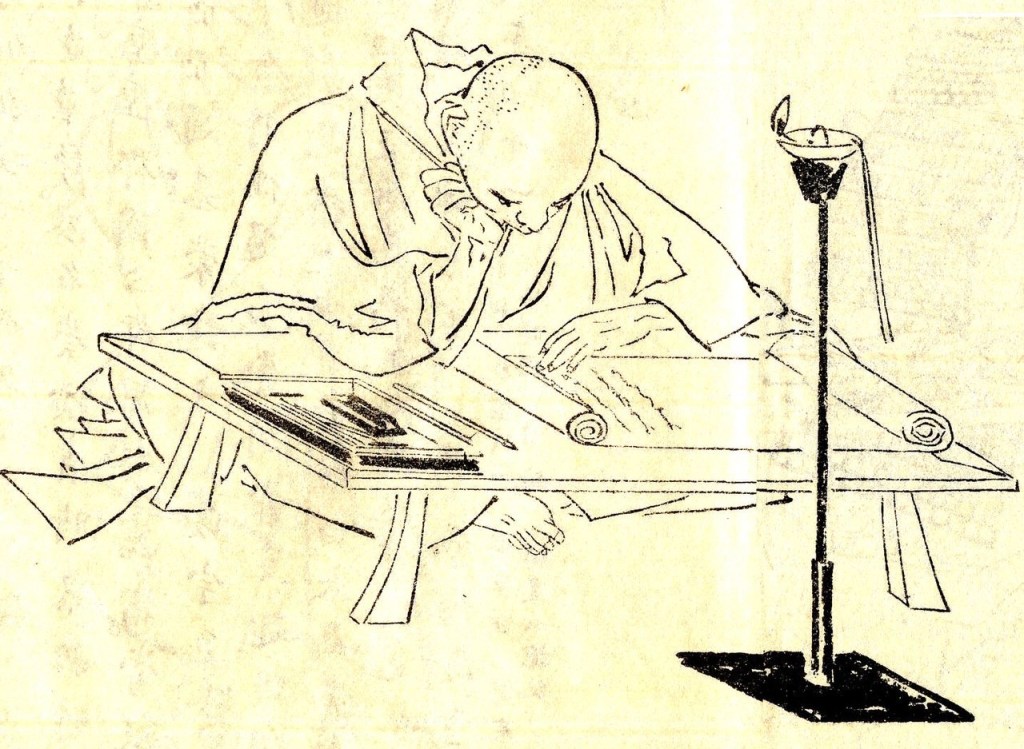
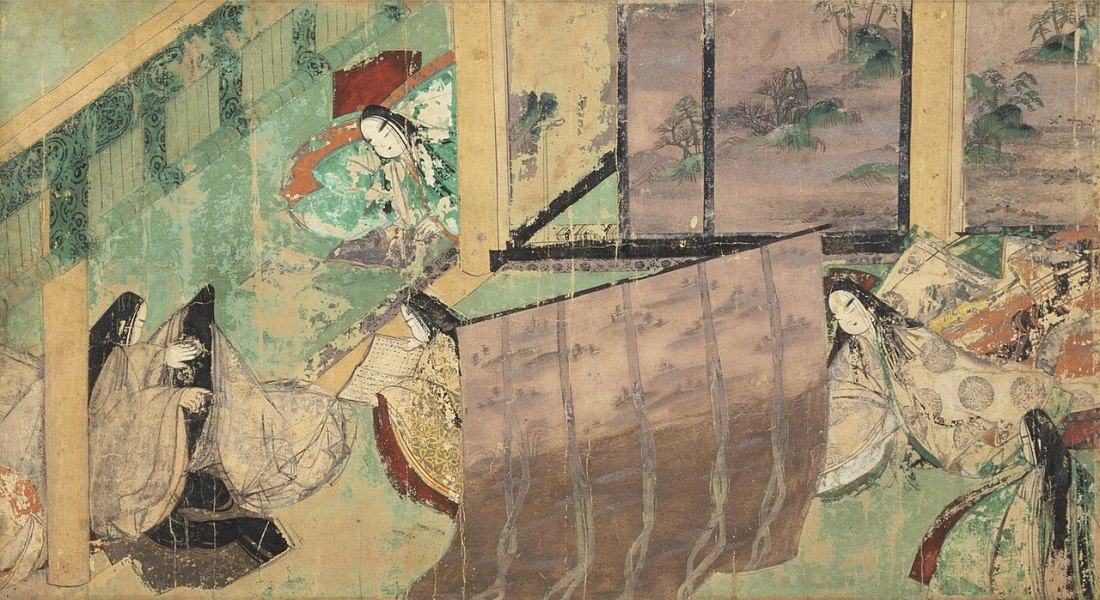


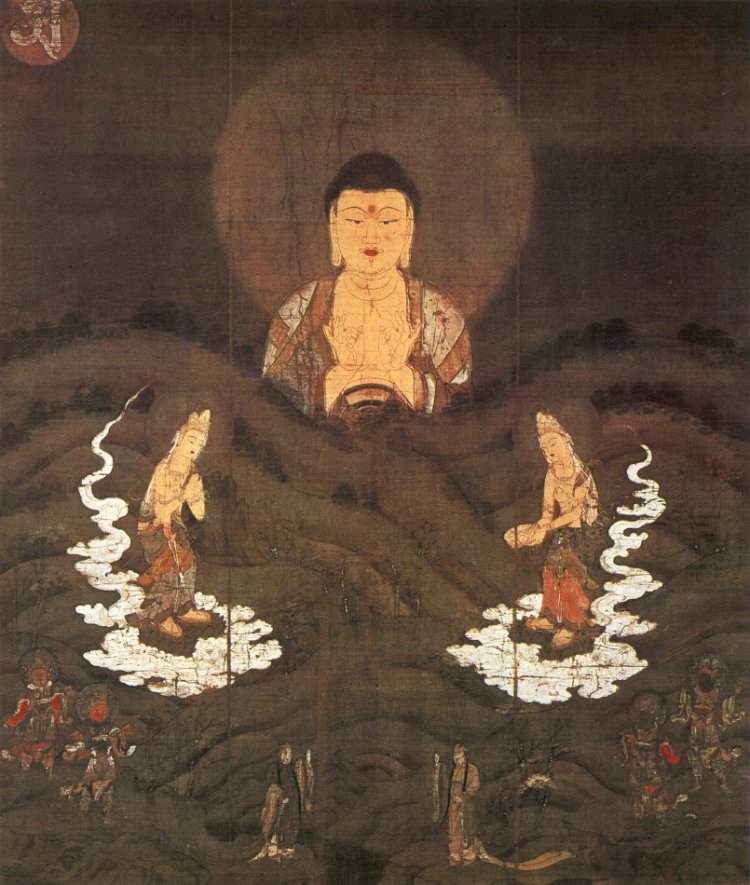
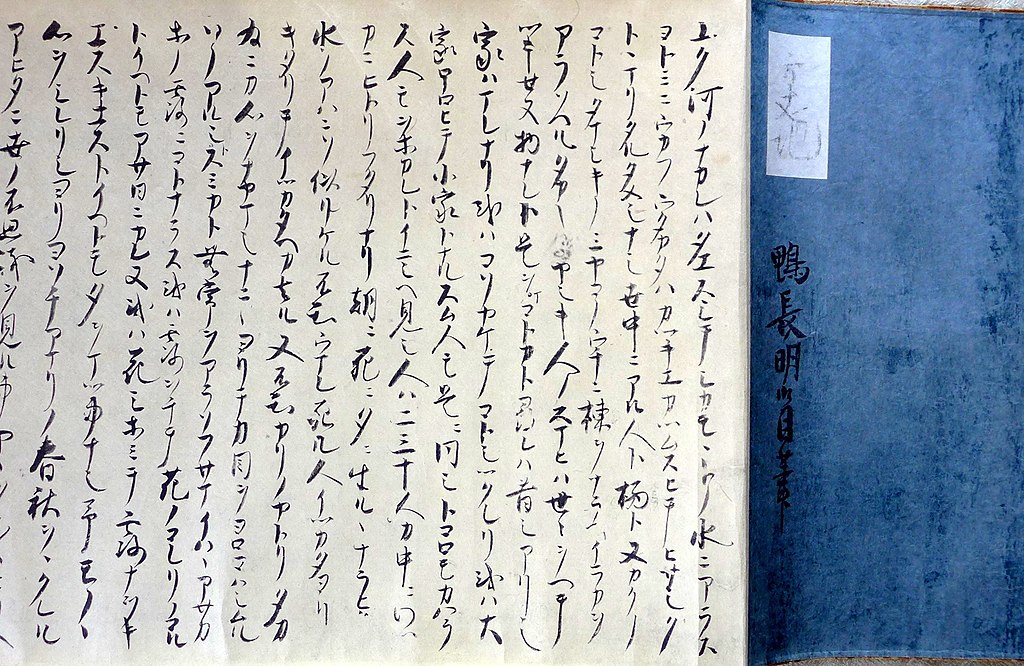


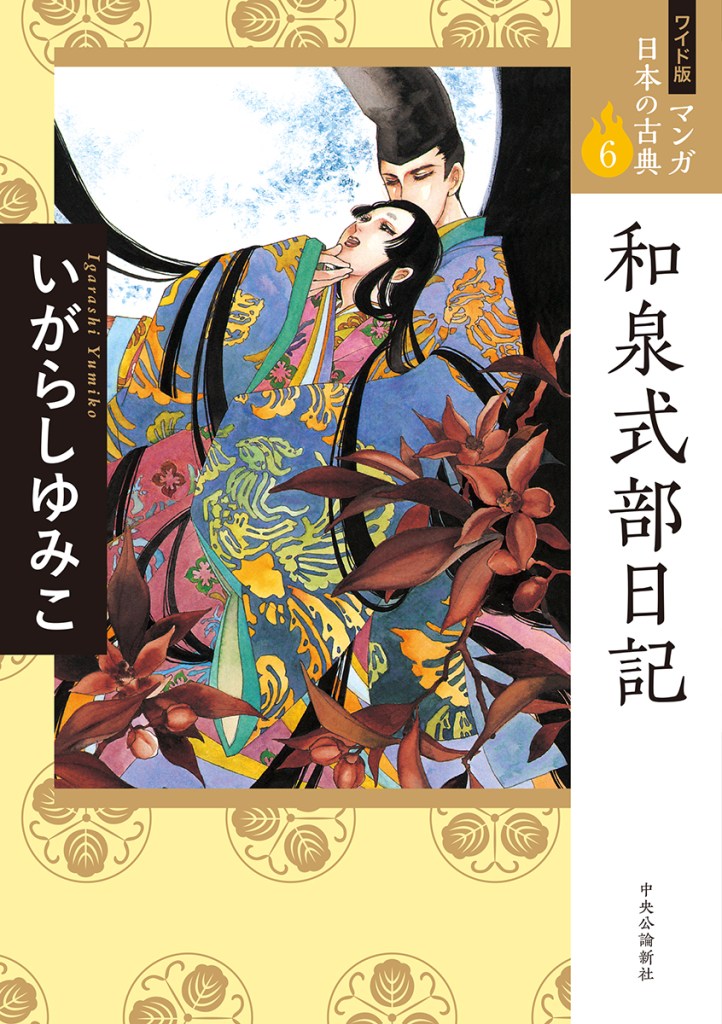
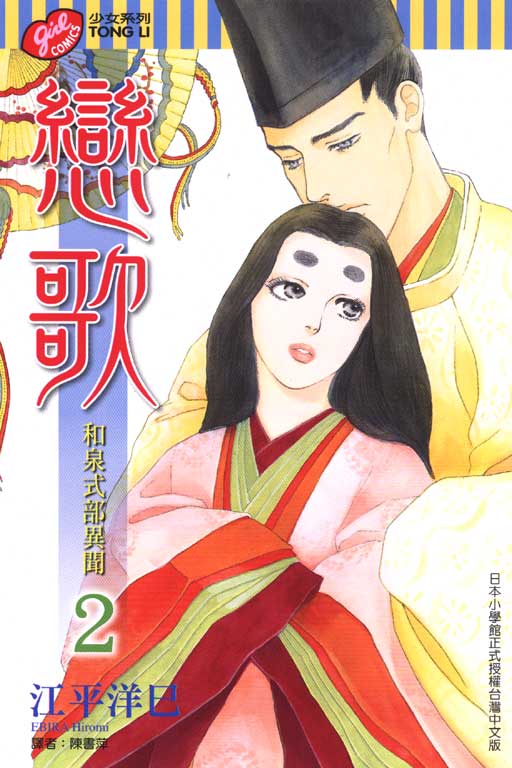
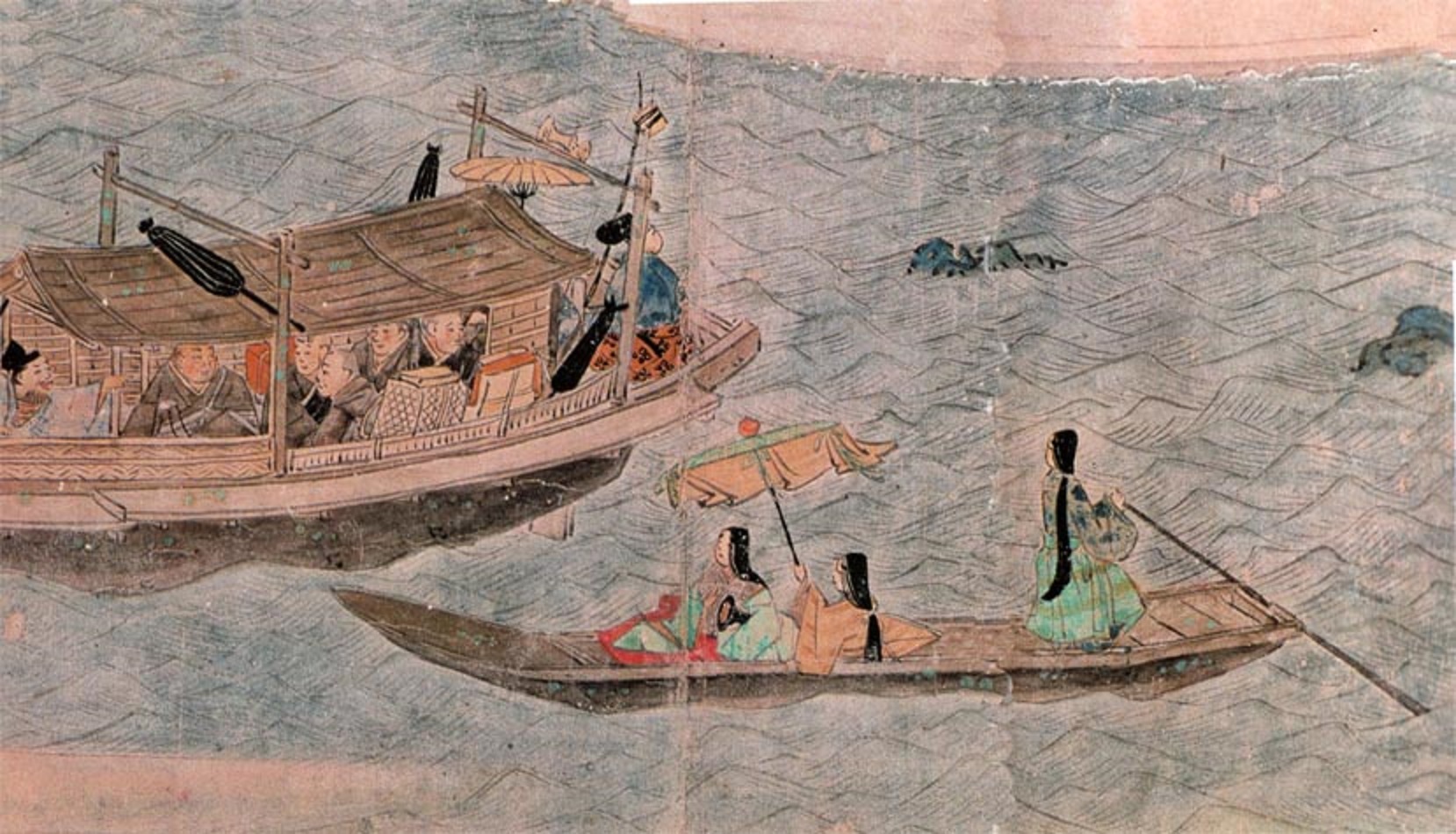
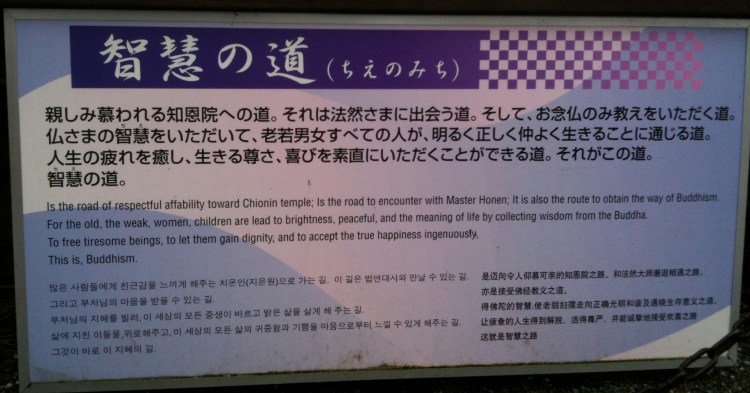


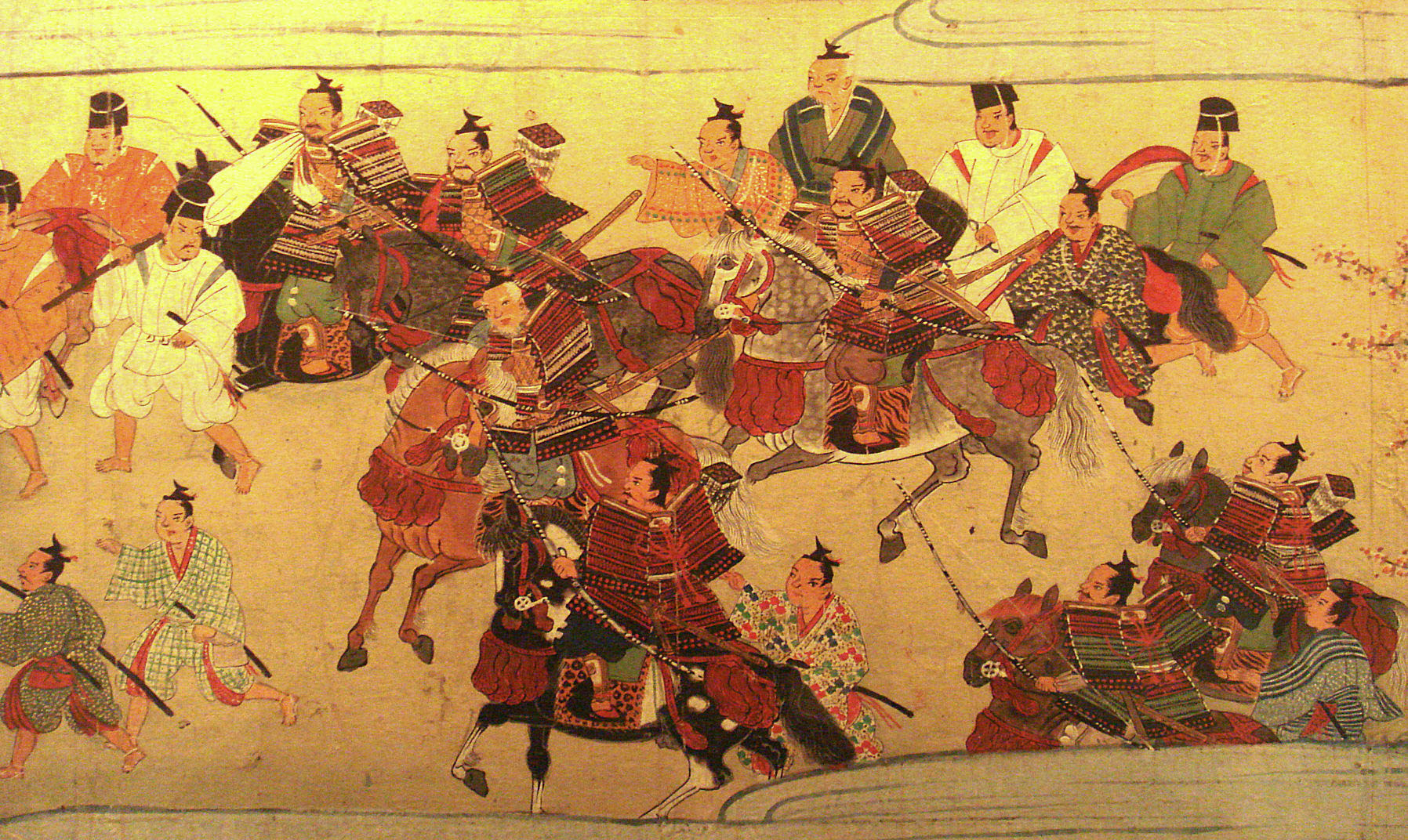
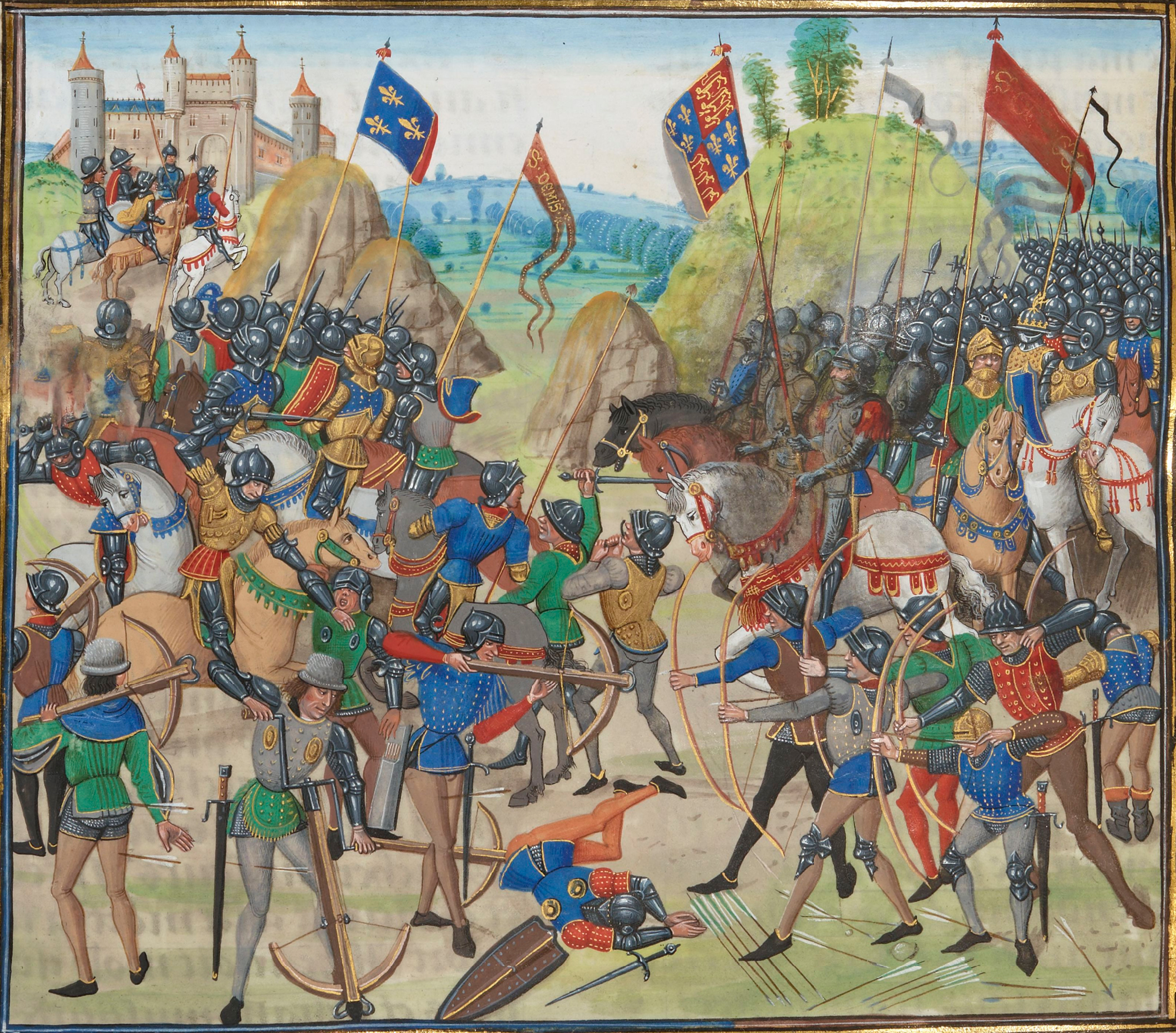


 Gleanings in Buddha-Fields


You must be logged in to post a comment.