
The copying of Buddhist sutras is a time-honored devotional tradition in Buddhism. In the Olden Days, people did this not only as a form of devotion, but a necessary step in propagation before wood-block printing became widespread. But even with printing, sutra copying has been a popular personal practice.
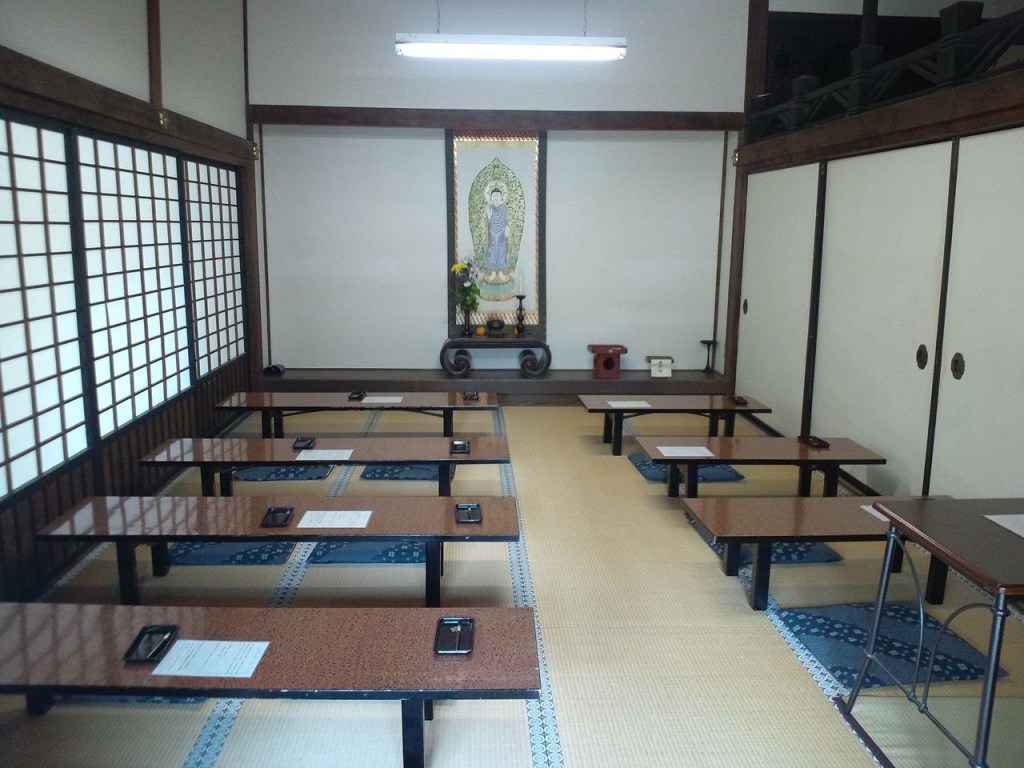
In Japan, this practice is called shakyō (写経), and is often available at major temples. You pay a small fee to cover material costs, and get a sheet of paper and an example sutra to copy from. From there, using an ink brush you copy the text in your own hand, and can either donate to the temple or take it home.
As for which sutras to copy the Heart Sutra is the most popular choice due to its size and popularity.1 However, in some sects, the preferred sutra varies. For example in the Jodo Shinshu tradition, some people copy the Shoshinge hymn (which is pretty long), or the Juseige. For Nichiren Buddhists, they copy excerpts of the Lotus Sutra such as chapter two and sixteen among others.
But I digress.
In a larger sense, a Buddhist follower can copy any sutra or excerpt of a sutra in whatever medium or language they want: Classical Chinese on a $2 notebook, Sanskrit Siddham script on fine washi Japanese paper, Ukrainian Cyrillic cursive, Latin, Koine Greek, or whatever. You can simply copy it by hand into your own sutra book, or make a PDF to share with others. You can copy it once, or a hundred times if you prefer.
There’s no restriction; the act of copying reverently is what matters.
I will also follow-up soon to show an example of more traditional sutra copying of the Heart Sutra, a project I’ve been working on on the side. Please stay tuned.
P.S. Bonus post today since it is the Buddha’s Birthday. 🎉

1 Fun fact: the version of the Heart Sutra used in Japan differs very slightly from the popular version attributed to my main man Xuanzang.
The Japanese version, popularized by the Shingon esoteric tradition, is called the rufubon (流布本) version. The rufubon version has two extra Chinese characters (262 total) from Xuanzang’s 260, namely the issai (一切) in the line on ri issai ten dō. It also uses slightly different characters for mantra at the end: 揭諦 instead of original 揭帝 for pronouncing Sanskrit gaté phonetically.
Discover more from Gleanings in Buddha-Fields
Subscribe to get the latest posts sent to your email.
 Gleanings in Buddha-Fields
